
Figuring out exactly when can a baby front face in a car seat feels like a major parenting milestone. Many caregivers rush to turn the seat around so they can finally see their child in the rearview mirror. We completely understand the appeal of easier access to snacks and fewer tears on long drives.
However, turning that seat too early exposes your child to severe risks that an infant spine simply cannot handle.
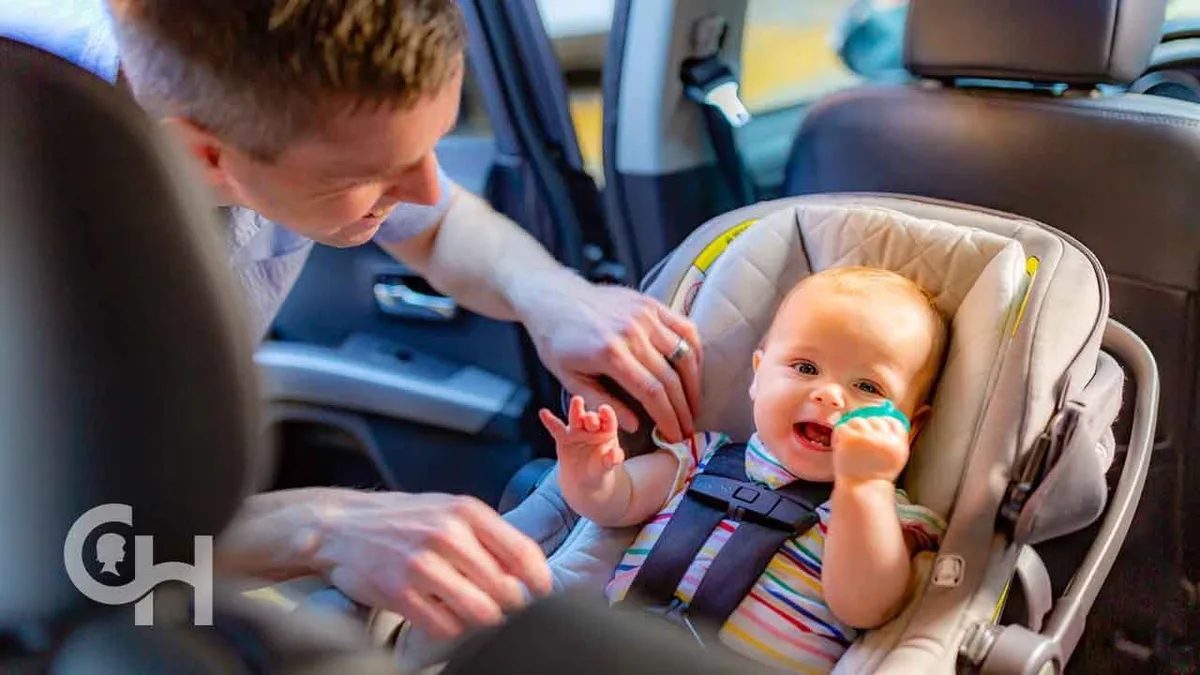
The American Academy of Pediatrics strongly advises keeping children rear-facing for as long as possible. You should wait until your child reaches the absolute maximum weight or height limit designated by your seat manufacturer. An infant’s vertebrae are still largely made of soft cartilage.
Keeping them facing backward absorbs crash forces and minimizes life-threatening injuries during an accident. Let us walk through exactly how to know your child is truly ready for this critical transition.
Quick Answer
You should keep your child rear-facing for as long as possible. When can a baby front face in a car seat depends completely on their specific size. You must wait until they exceed the maximum weight or height limit of your specific model.
Most children do not reach this limit until they are three or four years old. Check the manufacturer manual for your exact numbers. Never rush this transition.
What the AAP and NHTSA Actually Recommend
Child passenger safety guidelines have changed drastically over the last decade. Many parents still receive outdated advice from well-meaning relatives. The current policy from the American Academy of Pediatrics removes age entirely from the equation.
The AAP recommends that all infants and toddlers ride in a rear-facing seat as long as possible. They should stay backward until they reach the highest weight or height allowed by their seat maker.
The National Highway Traffic Safety Administration echoes this exact sentiment. They urge parents to keep the child rear-facing until they outgrow the seat limits. As of 2026, car seat manufacturers build models with increasingly high upper limits.
Many seats easily accommodate children riding backward up to 50 pounds.
Transitioning your child forward is not a promotion. It represents a step down in overall crash protection. Maximizing the time spent backward ensures your child receives the highest level of safety engineering available.
You want to utilize every single inch and pound your current hardware offers before flipping it around. If your family frequently takes road trips, investigating portable seating hardware with high limits will keep them safer on the go.
Understanding State Car Seat Laws vs. Best Safety Practices
There is often a wide gap between what the law requires and what keeps a child safest. State laws provide absolute minimum standards. Just because a transition is legal does not make it a safe choice.
Traffic laws across different states vary wildly regarding child passenger safety.
Many states have updated their legislation to mandate rear-facing until at least age two. Some progressive states now mandate it until age three unless the child hits specific weight brackets. You can review legal age requirements for your local jurisdiction, but remember these are just the baseline rules.
A police officer might not write you a ticket for forward-facing a lightweight two-year-old in certain states. However, physics will not give your child a pass in a violent collision.
Best practice always supersedes the bare legal minimum. Always aim for maxing out the equipment. This approach removes the guesswork.
If your four-year-old still fits within the shell height and weight brackets, they should stay rear-facing regardless of what state laws permit.
The Anatomy of a Crash: Why Extended Rear-Facing Saves Lives
To understand why this matters so much, we need to look at simple crash dynamics. Frontal collisions are the most common and the most deadly type of vehicle accident. When a car moving forward hits a sudden stop, everything inside continues moving forward at the original speed.
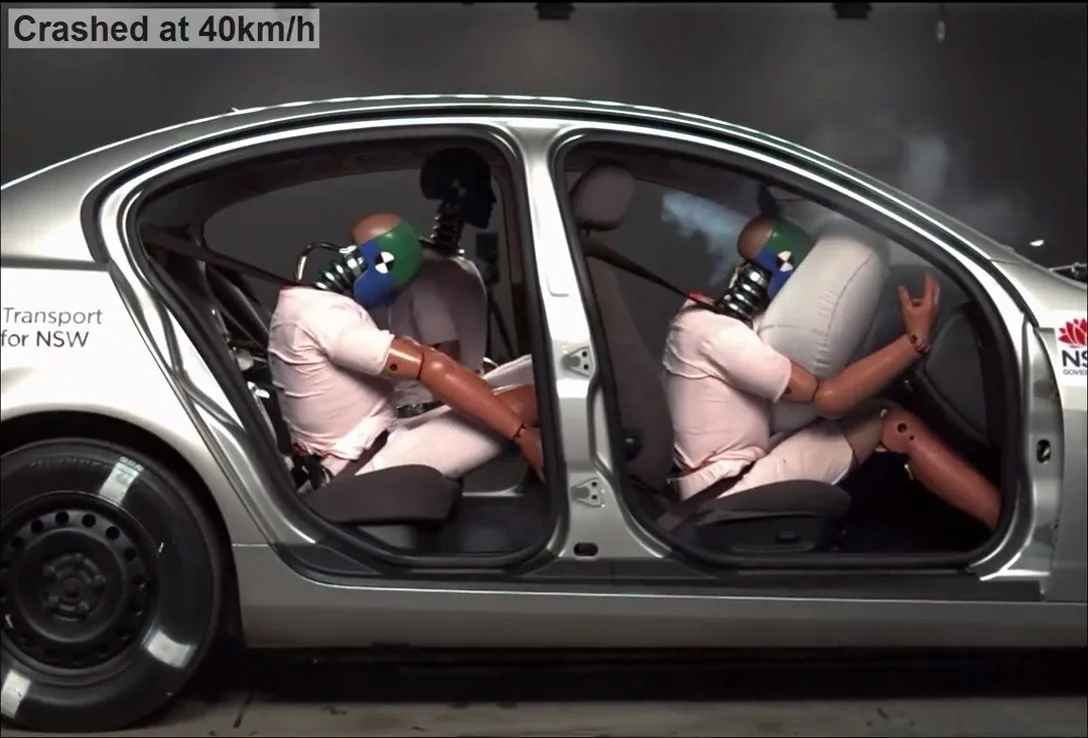
If a child is forward-facing, the five-point harness stops their torso. The heavy head continues flying forward. A toddler’s head makes up roughly 25 percent of their total body weight.
This extreme forward motion places catastrophic stress on the neck. An infant spine is largely cartilage and does not fully harden into bone until around ages three to six. The spinal column can stretch nearly two inches, but the spinal cord snaps after just a quarter of an inch.
Severe stretching causes internal decapitation.
When a child rides rear-facing, the entire back of the car seat acts like a protective shield. The plastic shell and energy-absorbing foam cradle the head, neck, and spine in perfect alignment. Crash forces get evenly distributed across the entire back of the child.
The seat takes the violent impact so the fragile neck components do not have to. Keeping them optimally positioned also provides better extended resting safety by ensuring their airway remains completely open while napping.
How to Tell When Your Child Has Maxed Out Their Rear-Facing Seat
Deciding to turn the seat around requires exact measurements. You cannot guess by looking at them. Read your manual carefully to find the specific upper limits for your model.
The transition happens the moment your child hits any one of the following three markers.
Checking the Maximum Weight Limit
Every car seat has a strict maximum weight limit for the rear-facing position. This limit is entirely separate from the forward-facing weight limit. Most standard seats offer backward limits capping between 40 and 50 pounds.
Weigh your child regularly once they pass the three-year mark to track their growth curve. The day they hit the exact pound limit stated in your manual is the day the seat must be turned around.
Checking the Standing Height Limit
Height limits are just as critical as weight limits. The manual will list a maximum standing height in inches for rear-facing mode. Children often hit this height limit long before they reach the weight limit.
Measure your child barefoot standing against a flat wall. If the manual says the limit is 40 inches and your child just hit 40 inches, the rear-facing phase is officially over. Checking the seat sticker or manual prevents dangerous guesswork.
The 1-Inch Head Clearance Rule
This rule trips up many parents. Car seats require a minimum amount of shell space above the head to contain it during a crash rebound. Most manuals dictate that there must be at least one full inch of hard shell above the top of the child’s head.
To check this, park your car on a level surface. Secure your child in the seat. Place a rigid book flat across the very top rim of the car seat shell.
Measure the distance from the top of the child’s head to the bottom of the book. If you have less than one inch of space left, the child is too tall. We recommend checking routine hardware checks regularly, as plastic degrades over time and limits may become irrelevant if the seat expires first.
Debunking the Myths: Why Parents Turn Car Seats Too Early
Social pressure and outdated advice push caregivers into dangerous early transitions. Every parent wants their child to be comfortable. Misunderstanding how children fit into safety devices creates widespread panic.
Let us look at the most common reasons parents flip seats too soon.
Myth: “Their Legs Look Cramped Against the Seat”
This is universally the number one reason parents turn seats around. As toddlers grow, their feet will inevitably touch the vehicle seatback. They will cross their legs, dangle them over the sides, or sit in a frog position.
This looks highly uncomfortable to adults. Adults have stiff joints and poor flexibility. Children have incredibly flexible joints and easily tolerate positions that would leave an adult in severe pain.
There is zero documented evidence of rear-facing children breaking their legs due to being close to the seatback. During a frontal collision, the legs fly up and away from the vehicle seat. In contrast, forward-facing children suffer severe leg injuries frequently.
Their legs swing forward and aggressively strike the back of the front driver or passenger seats during impact. Keep them backward and trust their flexibility.
Myth: “They Will Be Less Fussy Facing Forward”
Car crying is incredibly stressful for anyone trying to drive safely. Some parents assume the child hates facing backward. In reality, toddlers get fussy in cars because they are restricted.
Flipping them forward rarely solves motion sickness or long-term behavioral issues. You can use safe travel mirrors to increase visual contact without compromising spinal safety.
Myth: The Outdated “1 Year and 20 Pounds” Rule
Decades ago, pediatricians told parents a baby could face forward on their first birthday if they weighed twenty pounds. This advice is dangerously obsolete. Research proved that one-year-olds face an enormous risk of spinal injury in traffic accidents.
Ignore any advice favoring a calendar date over physiological maturity. The safety industry abandoned those numbers entirely over fifteen years ago.
Crucial Steps for a Safe Forward-Facing Transition
Once your child officially maxes out their rear-facing parameters, you must adjust the hardware correctly. Installing a seat in the new direction is not a simple flip. You have to change how the seat interacts with both the car and the child.
Adjusting to the Correct Harness Slot Height
The five-point harness operates differently depending on the direction it faces. When rear-facing, the harness straps must emerge from slots placed at or slightly below the child’s shoulders. When you turn the seat forward, you must move the straps.
Forward-facing mode mandates that harness straps emerge from slots located at or slightly above the child’s shoulders. Straps placed below the shoulders in a forward crash will compress the spine downward. This height change is non-negotiable.
Check the owner’s manual to ensure your seat is set to the proper recline angle as well.
Securing the Top Tether (The Most Missed Safety Step)
The top tether is the single most important safety feature of a forward-facing installation. It is a strap extending from the top back of the car seat. It features a metal hook that clicks into a specialized anchor built into your vehicle chassis.

Failing to attach the top tether is the most common installation failure observed by safety technicians. During a crash, a seat without a tether will pitch aggressively forward. The top tether dramatically reduces head excursion.
It stops the child’s head from flying forward and striking the seats or dashboard in front of them. You must find the tether anchor in your vehicle manual and hook it tightly every single time.
Choosing Between LATCH and Seat Belt Installation
You cannot use both the lower LATCH anchors and the seat belt at the same time. You must choose one installation method. Both are equally safe when installed tightly.
However, lower LATCH anchors have strict weight limits. Federal safety standards dictate that the combined weight of the car seat and the child cannot exceed 65 pounds on the lower anchors. Because many modern convertible seats are heavy, children often hit this limit very quickly.
You must switch to a standard seat belt installation once they pass the LATCH weight limit. Using a seat belt installation ensures the hardware holds securely regardless of the child’s increasing size.
Common Materials and Adjustments Checklist
Transitioning your seat requires a thorough check of all components. Keep an eye on everyday accessories as well. Thick puffy coats cause major harness issues in winter.
Be careful using cold weather accessories that interfere with how the belt paths tighten across the chest.
| Component | Rear-Facing Setting | Forward-Facing Setting |
|---|---|---|
| Harness Straps | At or below shoulders | At or above shoulders |
| Top Tether | Generally not used | Mandatory to attach |
| Recline Angle | Heavy recline (protects airway) | Upright (per manual lines) |
| LATCH System | Follow manual weight limits | Switch to seat belt after limit |
When to Consult a Certified Child Passenger Safety Technician (CPST)
Reading manuals and adjusting straps can overwhelm even the most prepared parents. If you feel unsure about your installation, you should seek professional verification. Do not rely entirely on local fire departments or hospital nurses unless they hold active certifications.
You need a certified Child Passenger Safety Technician. These professionals complete rigorous national training specific to car seat designs and vehicle crash mechanics. You can locate a local CPST through the Safe Kids Worldwide database.
They will teach you exactly how to thread the belts, test for tightness using the pinch test, and verify your tether geometry. Booking a session right as you evaluate transitioning to a larger model offers tremendous peace of mind.
Frequently Asked Questions
Can I front face my baby at 1 year old?
No. Front-facing a one-year-old exposes them to catastrophic spinal injury in a crash. Current medical guidelines state children should remain backward as long as possible.
A child’s spine is still mostly soft cartilage at this age and cannot withstand frontal collision forces.
What happens if my child’s feet touch the vehicle seat?
Your child is completely safe if their feet touch the seatback. Broken legs in rear-facing crashes are practically non-existent. Children naturally sit cross-legged or frog-legged comfortably.
Extended legs do not indicate that a child has outgrown the car seat restrictions.
How do I know the harness is tight enough?
You should use the pinch test on the harness strap at the child’s collarbone. Once you buckle and tighten the straps, try to pinch the webbing between your thumb and index finger. If you can gather any slack fabric into a fold, the straps are still too loose.
Do I have to use the top tether?
Yes. The top tether is mandatory for optimal forward-facing safety. It severely reduces how far a child’s head pitches forward during a sudden stop.
Skipping the top tether greatly increases the risk of head and neck trauma.
When do I switch from LATCH anchors to a seat belt?
You must switch to a seat belt installation when the combined weight of your child and the car seat exceeds 65 pounds. Because heavy seats subtract from this allowance, many children reach this limit around 40 pounds. Check the specific warning sticker on the side of your car seat shell.
Upgrading from an Infant Bucket Seat to a Convertible Model
Most babies outgrow their infant carrier long before they actually turn around. An infant bucket seat maxes out quickly in both height and weight limits. You must switch to a rear-facing convertible seat to continue protecting them safely.
This step ensures they achieve extended growth milestones properly without maxing out hardware prematurely. Finding secure seating choices designed for taller toddlers greatly improves their daily comfort.
Handling Multi-Vehicle Transfers and Rideshares
Families utilizing multiple vehicles face unique installation challenges daily. Moving a heavy convertible seat between cars heavily increases the risk of careless installation errors. You should purchase a secondary seat for the alternate vehicle if your budget allows.
If you rely on rideshares, maintaining the rearward position remains absolutely vital. You cannot sacrifice safety guidelines just because you are riding in a temporary vehicle. Always verify that your child sits tightly buckled before the driver departs.
The Dangers of Aftermarket Car Seat Accessories
Caregivers constantly battle dropped pacifiers and motion sickness during long trips. Resist the urge to attach aftermarket mirrors, cup holders, or hard plastic toy trays. These unregulated items easily become lethal projectiles during a high-speed vehicle impact.
According to NHTSA equipment guidelines, you must never attach aftermarket products to your hardware. Manufacturer specifications strongly forbid using items that skipped federal crash testing alongside your specific seat model. Only use soft accessories sold directly by your primary car seat brand.
Preparing for the Eventual Booster Seat Transition
Flipping the seat around starts an entirely new phase of child passenger safety. Children remain in a five-point forward harness for several years following this change. They will not transition to a typical high-back booster seat until their bones reach full ossification.
This skeletal hardening process typically completes between ages five and seven. Keep them securely held by the tight harness straps until they possess complete physical maturity. They must be able to sit perfectly still behind a standard vehicle adult belt.
If they lean over or unbuckle themselves, they need the harness back. Reviewing early infant feeding support posture often reminds parents how slowly spinal strength actually develops.
Final Checklist Before Your First Ride
You need absolute certainty before pulling out of your driveway for that milestone trip. Grab the car seat firmly at the main belt path with your non-dominant hand. Push and pull it aggressively from side to side.
The hardware must not shift more than one full inch in any direction.
Next, verify that the top tether clicks securely into the designated frame anchor. Do not accidentally attach it to a weak cargo hook in the trunk. Finally, confirm the harness straps emerge steadily above their shoulders and sit snugly against the collarbone.
Double-checking these steps guarantees a secure and incredibly safe journey.