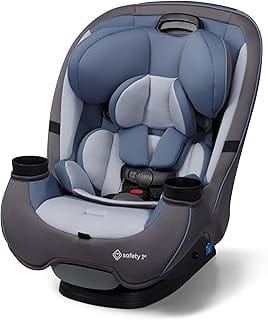

If you just got into a wreck, you are probably wondering if car seats need to be replaced after an accident. The short answer is yes for most crashes. Your child restraint system absorbs massive energy during a collision.
That protective gear cannot do its job twice.
Per Federal Motor Vehicle Safety Standard 213 testing, crash forces permanently alter seat materials. The National Highway Traffic Safety Administration sets strict rules on when replacement is mandatory. We will walk through exactly how to evaluate your situation.
You will also learn how to get insurance to cover the cost.
do car seats need to be replaced after an accident
Car seats need replacing after moderate or severe accidents. Minor fender benders might allow you to keep the seat. You must meet five specific federal criteria first.
If any single condition fails, replace it immediately. Never gamble with compromised safety equipment.
Why Replacing a Car Seat After a Crash Isn’t Optional
A child restraint system acts as a single use shield. It takes the hit so your child does not. During a motor vehicle collision, the hard plastic shell flexes violently.
The harness webbing stretches to its absolute limit.
That stretching is by design. It slows your child down gradually instead of letting them stop instantly. But once those materials stretch past their engineered threshold, they stay stretched.
They lose their original tensile strength permanently.
Manufacturer specifications confirm that micro fractures form inside the plastic shell. You cannot see these cracks with your naked eye. Aggregate reviews report parents assuming a visually fine seat is safe.
That assumption carries massive risk.
Using a compromised seat in a second crash can lead to catastrophic failure. The buckles might pop. The shell could split open entirely.
This is why treating a crashed seat like normal gear is dangerous.
If you recently upgraded to one of the top rated convertible models, losing it hurts financially. But keeping it risks your child's physical safety. Replacement is the only responsible choice after a real impact.
This applies across all stages of development. Whether your child uses a rear facing infant seat or a forward facing harness seat, the physics remain identical. Energy absorbing materials crush once.
They do not bounce back.
Even booster seats suffer structural fatigue during high speed impacts. The LATCH system hardware bends under extreme pressure. Seat belt routing guides can warp out of alignment.
Every component matters when protecting a small body.
Our research shows many parents hesitate because of the price tag. A premium model easily costs several hundred dollars. But property damage claims exist specifically to cover these losses.
We will address how to file those shortly.
First, you need to know if your specific crash actually requires a new seat. Not every parking lot bump destroys your gear. There is a very clear legal line between minor and severe impacts.
The NHTSA 5 Point Checklist: When You Can Keep the Seat
The National Highway Traffic Safety Administration provides a strict five point checklist. You must pass every single item to keep using the seat. Failing even one means the child restraint system goes in the trash.
Here is the exact evaluation workflow you should follow immediately after a wreck.
- You drove away from the scene. If your vehicle required a tow truck, the impact was too severe. Replace the seat immediately.
- The nearest door survived unharmed. Check the door closest to where the child sits. Any denting or jamming means replacement is required.
- Nobody suffered injuries. Even a minor whiplash complaint disqualifies the seat from reuse. Zero medical attention must have been needed.
- Airbags stayed completely inactive. Deployed airbags indicate crash forces far beyond minor limits. Those forces transfer directly into the seating area.
- No visible damage exists on the seat. Inspect the hard plastic shell and foam closely. Look for hairline cracks or crushed padding.
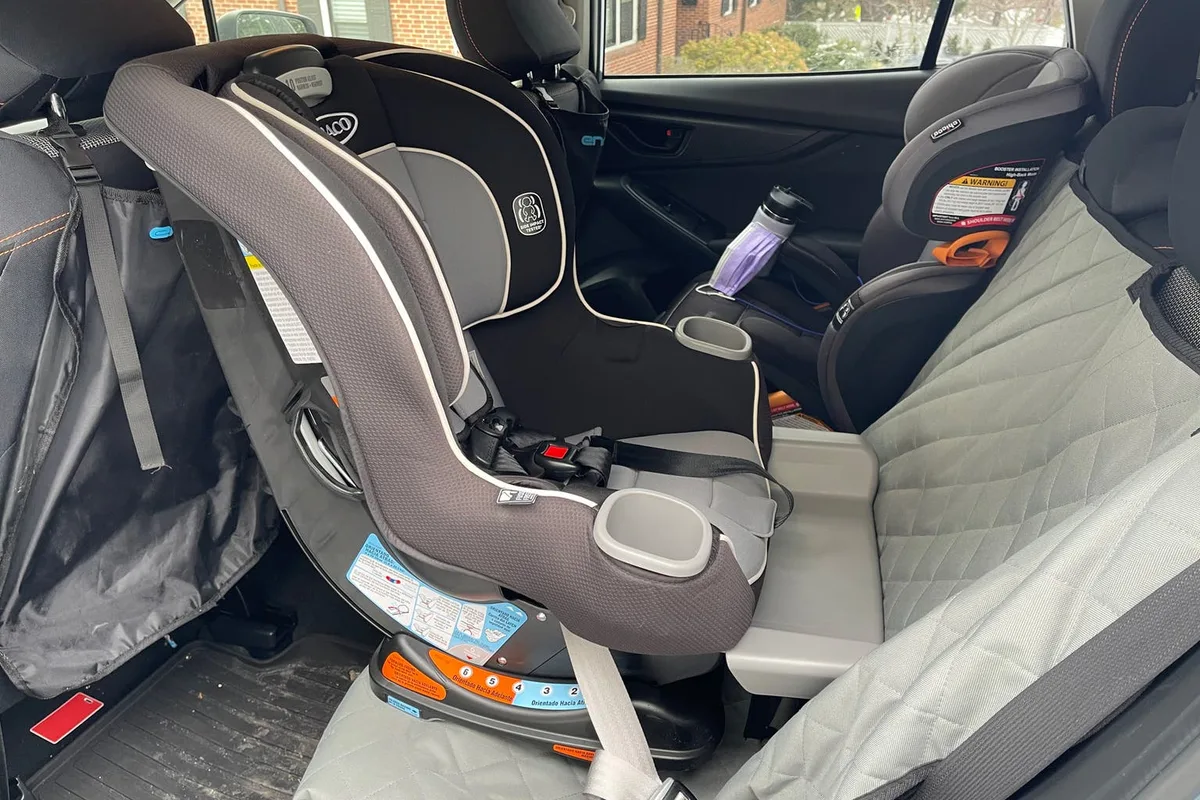
Image source: Web (Bing) / nytimes.com (Web image (fair-use with source credit))
If you check all five boxes, take a deep breath. Your seat is likely structurally sound for continued use. This usually only happens during extremely low speed parking lot taps.
Think single digit miles per hour.
If your child has already outgrown their infant carrier, you might be dealing with a heavier convertible model. The inspection process remains exactly the same regardless of weight class.
Many insurance adjusters try to argue this point. They might claim a minor tap still ruined the seat. Knowing this official federal checklist gives you leverage during negotiations.
It defines the exact boundary between safe and unsafe.
Keep in mind that state laws sometimes override these guidelines. States like California require insurers to replace seats after any reported accident. Always check your local Department of Insurance regulations for specific mandates.
When evaluating your situation, consider the vehicle itself. Larger vehicles with higher crash test ratings absorb more energy before it reaches the cabin. If you drive one of the safest family vehicles available, the seat might survive better.
But never assume survival without running the checklist.
Use this table to quickly assess your situation based on crash severity factors.
| Crash Factor | Minor Impact | Moderate to Severe Impact |
|---|---|---|
| Vehicle Status | Drivable | Towed away |
| Nearest Door | Undamaged | Dented or jammed |
| Injuries | None | Any reported injury |
| Airbags | Did not deploy | Deployed |
| Action Required | Inspect closely | Replace immediately |
This decision tree removes the guesswork. Follow the logic strictly. If the crash falls into the right column, do not attempt to salvage the gear.
Move straight to filing an insurance claim.
Passing the checklist does not mean you skip the visual inspection. You still need to strip the fabric cover off. Examine the bare plastic and foam underneath.
Sometimes damage hides beneath the padding where casual glances miss it.
Parents often ask us about secondhand seats after a crash. Never buy a used child restraint system unless you know its full history. You cannot verify if it passed this checklist previously.
A hidden prior crash makes it completely unsafe.
Hidden Damage: What Happens to EPS Foam and Harness Webbing in a Collision
Understanding the materials inside your seat explains why replacement matters. Most modern seats use EPS foam or EPP foam liners. EPS stands for Expanded Polystyrene.
It looks like thick white packing material.
This foam serves one primary purpose. It crushes to absorb kinetic energy during a sudden stop. Once EPS foam compresses, it stays compressed.
It cannot regenerate its cellular structure. That protective capability is gone forever.
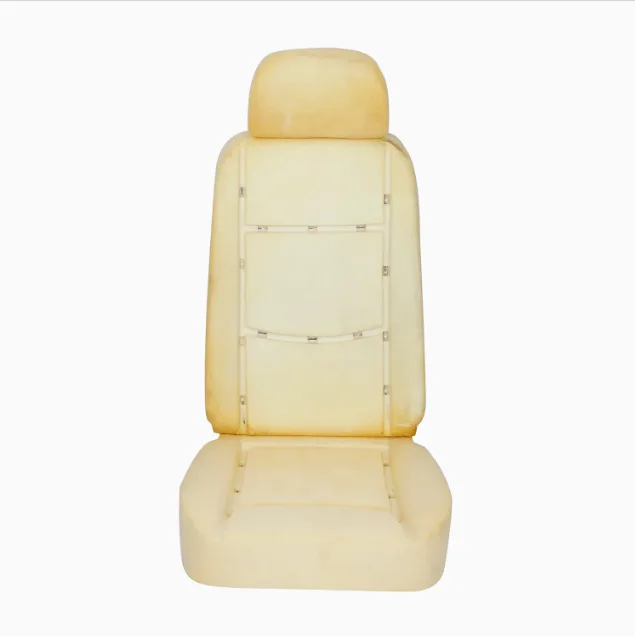
Image source: Web (Bing) / julishengpufoam.com (Web image (fair-use with source credit))
EPP foam behaves slightly differently. It offers marginally more resilience against tiny bumps. But manufacturer specs confirm it still fails under moderate crash forces.
Neither foam type survives a real highway collision intact.
Then there is the harness webbing. These thick straps hold your child securely in place. During a 30 mph impact, those straps stretch significantly.
That stretching prevents the harness from snapping your child's collarbone.
But stretched webbing loses its original tensile strength. It becomes permanently elongated. In a subsequent crash, that extra slack allows too much forward movement.
Your child could strike the seat in front of them.
The hard plastic outer shell suffers invisible trauma too. High speed impacts cause stress whitening in polymers. This indicates internal molecular tearing.
Micro fractures spread through the plastic matrix like a spiderweb.
You might notice slight color changes near the base. Or the shell might feel softer when you press firmly on it. These are warning signs of structural fatigue.
The shell can no longer distribute force evenly.
We always recommend checking expiration dates while inspecting for crash damage. Materials degrade over time naturally. If you are unsure how long these materials last under normal conditions, a crash accelerates that timeline drastically.
Old plastic shatters much easier than fresh plastic.
Even the metal components bend. The LATCH system anchors twist under load. Buckle tongues deform slightly.
You might still hear them click together. But that click no longer guarantees a secure lock under heavy force.
Think of a car seat like a bicycle helmet. You would never wear a helmet that already hit the pavement. The foam inside did its job once.
It cannot do it again. Apply that exact same logic here.
Aggregate user reviews show parents frequently underestimate this hidden damage. They look at the outside fabric and see no tears. They assume everything underneath is fine.
That assumption contradicts basic material science.
If you ever need to remove the cover for a thorough inspection, follow proper fabric care steps carefully. Harsh chemicals can weaken the plastics further. Gentle cleaning preserves whatever integrity remains while you evaluate the damage.
Pay special attention to the recline mechanism. Internal springs and hinges take massive shock loads. A bent recline bracket changes the installation angle.
An incorrect angle reduces crash protection dramatically. Verify the seat still locks into every position smoothly.
Ultimately, you cannot X ray a child restraint system at home. You cannot measure polymer degradation with your fingers. Because you lack laboratory testing equipment, you must rely on the crash severity indicators.
If the impact felt violent, trust your instincts. Replace the seat.
How to Get Your Insurance Adjuster to Pay for the Replacement
Replacing a seat costs anywhere from $50 to over $700 as of 2026. You should not pay that out of pocket if someone else caused the wreck. Auto insurance policies classify child restraint systems as personal property.
Property damage liability covers them.
Start by documenting everything immediately. Take clear photos of the seat installed inside the damaged vehicle. Show its proximity to the crumpled doors or deployed airbags.
Leave it strapped in until the adjuster sees the pictures.
Call your claims adjuster promptly. Use specific terminology during the conversation. Tell them you need to file for a destroyed child restraint system.
Avoid vague phrases like "the kid's chair." Professional language gets faster results.
If the other driver caused the accident, their property damage liability pays. If you were at fault, your own collision coverage handles it. Either way, the seat belongs on the official claim estimate.
Some adjusters push back hard. They might offer you actual cash value instead of replacement cost. Actual cash value means they depreciate the seat based on age.
They might offer $40 for a seat you bought two years ago for $250.
Do not accept depreciated payouts for safety equipment. You cannot buy a safe, used car seat with $40. Argue firmly for the retail price of a comparable brand new model.
Child safety gear does not depreciate like used tires.
State laws heavily influence this negotiation. Several states legally mandate full replacement coverage after any collision. Check your specific state department of insurance website for exact statutes.
Quote those laws directly to stubborn adjusters.
If your adjuster demands proof of destruction, contact the manufacturer. Brands like Graco, Chicco, and Britax publish official statements online. These documents cite federal guidelines requiring post crash replacement.
Forward that PDF directly to your claims representative.
Parents frequently ask us about transitioning between stages during this process. If your child was nearing the next size up anyway, this is your opportunity. You can often claim the cost of the next appropriate stage.
Just ensure you understand when forward facing becomes appropriate before buying a larger model.
Keep all receipts from your original purchase if possible. They prove the baseline value of the destroyed item. If you lost the receipt, bank statements work perfectly fine.
Digital paper trails support your claim effectively.
Never let an adjuster tell you the seat is fine without seeing it. They are not certified child passenger safety technicians. Their job is minimizing payout amounts.
Your job is maximizing your child's protection. Stand your ground politely but firmly.
Document every phone call with dates and names. Follow up verbal conversations with written emails summarizing what was agreed upon. This creates a binding record if disputes arise later.
Paper trails win arguments with insurance companies.
Disposing of a Compromised Child Restraint System Safely
Once your insurance approves the replacement, you face one final responsibility. You must destroy the old seat completely. Throwing it whole into a dumpster puts another family at risk.
Someone will pull it out thinking they scored free gear.
Start by taking heavy scissors to the harness webbing. Cut every single strap in multiple places. Snip the crotch strap, the shoulder straps, and the waist belts.
Make reassembly physically impossible.
Next, strip the fabric padding off entirely. Remove the cup holders and any aftermarket accessories. Separate the soft goods from the hard plastic shell.
Bag the fabric separately for standard trash collection.
Take a thick black permanent marker to the bare plastic shell. Write huge letters across the back and bottom. Spell out "CRASHED, DO NOT USE, UNSAFE" clearly.
Make the warning visible from ten feet away.
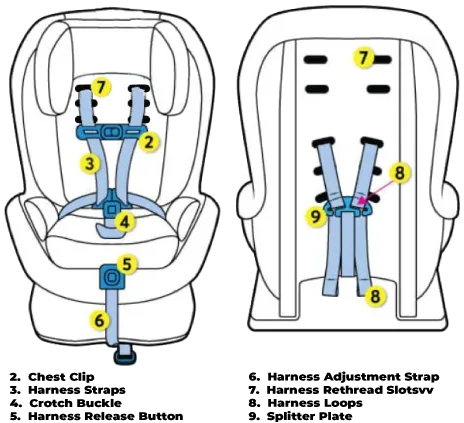
Image source: Bing (Web (fair-use with source credit))
Look for local recycling programs before tossing the plastic. Organizations like Safe Kids Worldwide occasionally host trade in events. They break down the components responsibly.
The metal gets melted down while plastics enter industrial recycling streams.
If no recycling event exists nearby, bag the marked shell in dark garbage bags. Opaque bags prevent curious scavengers from spotting a usable shape. Place it out on your regular bulk trash day.
Never donate a crashed seat to charity shops. Thrift stores lack the expertise to identify hidden structural damage. Well meaning donations become deadly hazards for low income families.
Protect your community by destroying it yourself.
This disposal process applies to every type of restraint. Infant carriers, convertible models, and high back boosters all require dismantling. The materials differ slightly but the danger remains identical.
Treat them all as total losses.
Some parents struggle emotionally with destroying expensive gear. It feels incredibly wasteful to break something that looks perfect. Remind yourself that the invisible damage makes it a liability.
Destroying it is an act of community safety.
Store the disabled seat safely indoors until trash day arrives. Leaving it on the curb overnight invites theft. Someone might grab it before you finish disabling the buckles.
Keep it locked in your garage until the final moment.
Frequently Asked Questions
Does a fender bender mean I need a new car seat?
Not always. If you drove away, nobody got hurt, and the nearest door is fine, you might keep it. Run through the five point checklist we covered earlier.
If every single box checks out, the seat is likely safe.
Will my auto insurance cover a replacement child restraint?
Yes, they usually will. Auto policies classify these items as personal property under your damage claim. Tell your adjuster specifically that you need reimbursement for a destroyed child restraint system.
Push back if they offer a depreciated payout instead of full retail cost.
Can I donate a car seat that was in a crash?
Never donate or sell a crashed seat. The internal foam and plastic shell suffer invisible structural fatigue during impacts. Another family has no way to verify its safety history.
Always cut the straps and destroy it completely before disposal.
How do I know if my baby outgrew their current seat?
Check the height and weight limits printed on the manufacturer sticker. Kids often max out rear facing models by height before hitting the weight limit. Our guide on when infants need a larger seat breaks down those exact measurements clearly.
Is it safe to buy a used car seat after an accident?
Avoid used seats entirely unless you know the complete ownership history. You cannot verify if it survived a prior collision or passed federal testing standards. Hidden micro fractures make secondhand gear incredibly risky.
Buy new whenever possible.
Do booster seats need replacing after minor crashes too?
They follow the exact same rules as infant carriers. Even backless boosters absorb impact energy through their base materials. If the crash fails any part of the federal checklist, replace the booster immediately.
Never assume lighter gear escapes crash forces unharmed.