
When you look closely at the molded plastic on the underside of a child safety seat, you will find a stamped expiration date. It is easy to assume this is a clever marketing trick to force parents into buying new gear, but the reality is deeply rooted in structural engineering and child safety.
If you are planning out your nursery setup, organizing hand-me-down gear, or preparing your vehicle, knowing the exact status of your safety equipment is nonnegotiable. Over time, environmental stressors inside a vehicle alter the chemical integrity of these lifesavers, making expiration dates a vital safety boundary rather than a corporate suggestion.
Quick Answer
Yes, baby car seats expire. Most manufacturers set an expiration date between six and ten years from the date of manufacture. After this time, the plastic shell can degrade and fail to protect your child during a crash.
Always check the manufacturer sticker on your specific seat for the exact expiration date.
Why Expert Accord Matters: The Physics of an Aging Car Seat
To understand why safety seats have a strict shelf life, we must look at the material science. A car seat is not a static piece of furniture, it is a highly engineered energy-management system.
It is designed to absorb violent kinetic forces during a collision, keeping your child secure while redirecting crash energy away from their fragile body. As a seat ages, its ability to perform this critical job drops significantly.
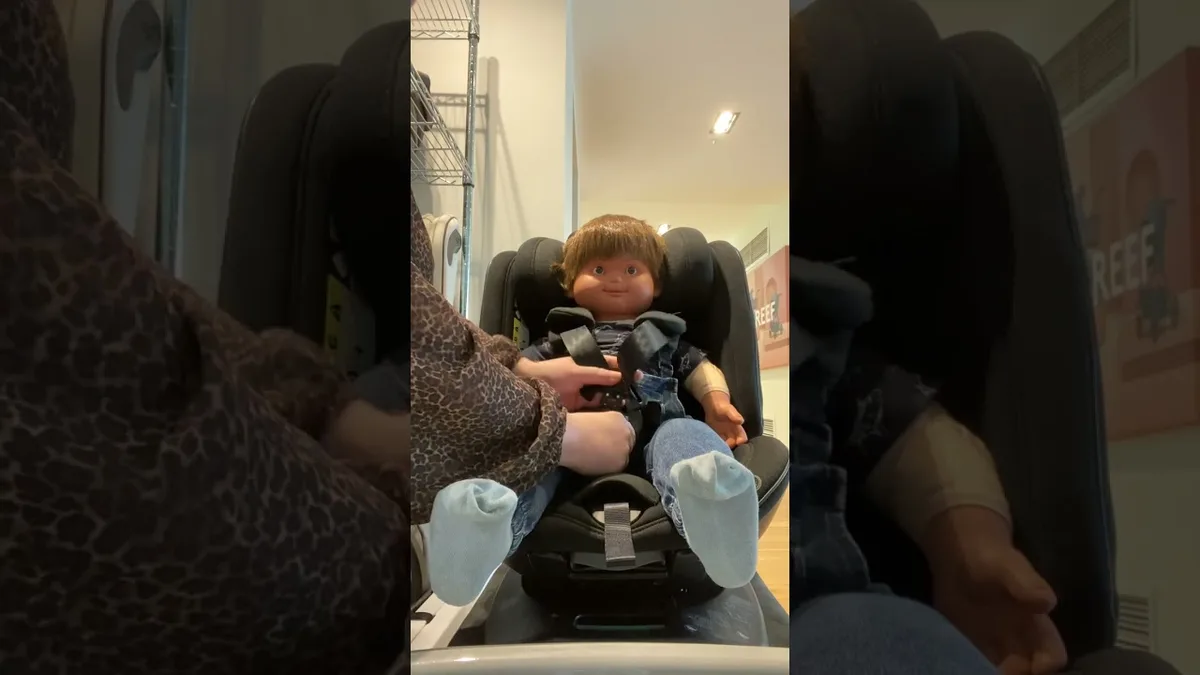
Image source: YouTube / Kat Gemmell (YouTube thumbnail (fair-use with source credit))
Polymer Degradation: How Heat Cycles Brittles Structural Plastic
The main body of a car seat is made of injection-molded thermoplastic polymers, primarily polypropylene. To protect a child, this plastic must yield slightly under impact, flexing to absorb energy without snapping.
However, vehicles are notorious for extreme temperature fluctuations. On a hot summer day, a locked vehicle cabin can easily surpass 140°F. In the winter, that same cabin drops below freezing.
Our research into polymer engineering shows that constant cycling between extreme heat and freezing cold slowly breaks down the chemical bonds in the plastic. Over six to ten years, this thermal stress changes the polymer structure, making it fragile and brittle.
During a high-speed accident, a brittle shell cannot flex. Instead, it can shatter under the load, causing the harness anchors to pull free and leaving the child completely unprotected.
Chemical Degradation: The Vulnerability of Polyester Harness Webbing
The harness straps on a car seat are made of high-tensile woven polyester webbing. These straps are engineered to stretch slightly during a crash, which lowers the g-forces acting on your child’s chest. Unfortunately, this webbing is exceptionally vulnerable to household chemicals, UV exposure, and biological spills.
Over years of use, juice, milk, and baby spit-up soak into the harness. While trying to keep things clean, parents often scrub the straps with harsh detergents, household vinegar, or chlorine bleach.
These chemical cleaning agents strip the webbing of its flame-retardant coatings and slowly dissolve the individual polyester fibers. Over time, the straps lose their tensile strength.
You cannot always see this microscopic damage with the naked eye. However, during a collision, weakened straps can snap cleanly at the friction points near the adjusters.
Micro-Fractures: The Hidden Risk After Any Collision
When a car seat experiences a collision, it is designed to sacrifice itself to protect the occupant. The internal energy-absorbing foam, usually Expanded Polystyrene (EPS) or Expanded Polypropylene (EPP), compresses to cushion the child.
At the same time, the plastic shell takes on immense stress, which can create hairline micro-fractures along the stress lines of the plastic. These tiny cracks are virtually invisible to the untrained eye.
If a seat with micro-fractures is used again, its structural integrity is compromised. In a secondary crash, the shell will likely split along those pre-existing stress fractures, offering zero protection.
This is why regulatory bodies and manufacturers require immediate replacement of any seat involved in a moderate-to-severe crash.
Evolving Safety Mandates: FMVSS 213 Standards
Safety technology does not stand still. In the United States, child restraint systems must comply with the Federal Motor Vehicle Safety Standard 213, regulated by the National Highway Traffic Safety Administration.
These federal safety standards are constantly updated to reflect new crash-test dummy data, side-impact research, and vehicle technology changes. For example, older car seats were designed before modern side-impact testing protocols or rigid LATCH attachment systems became standard.
By enforcing an expiration date, manufacturers ensure that older, outdated designs are naturally retired. This keeps families equipped with modern units that meet the toughest, most up-to-date crash protection standards.
How to Find Your Car Seat’s Expiration Date
Car seat manufacturers make it easy to find out when your seat expires, provided you know where to look. You do not need to guess the age of your seat based on when you bought it. The key is finding the physical date of manufacture.
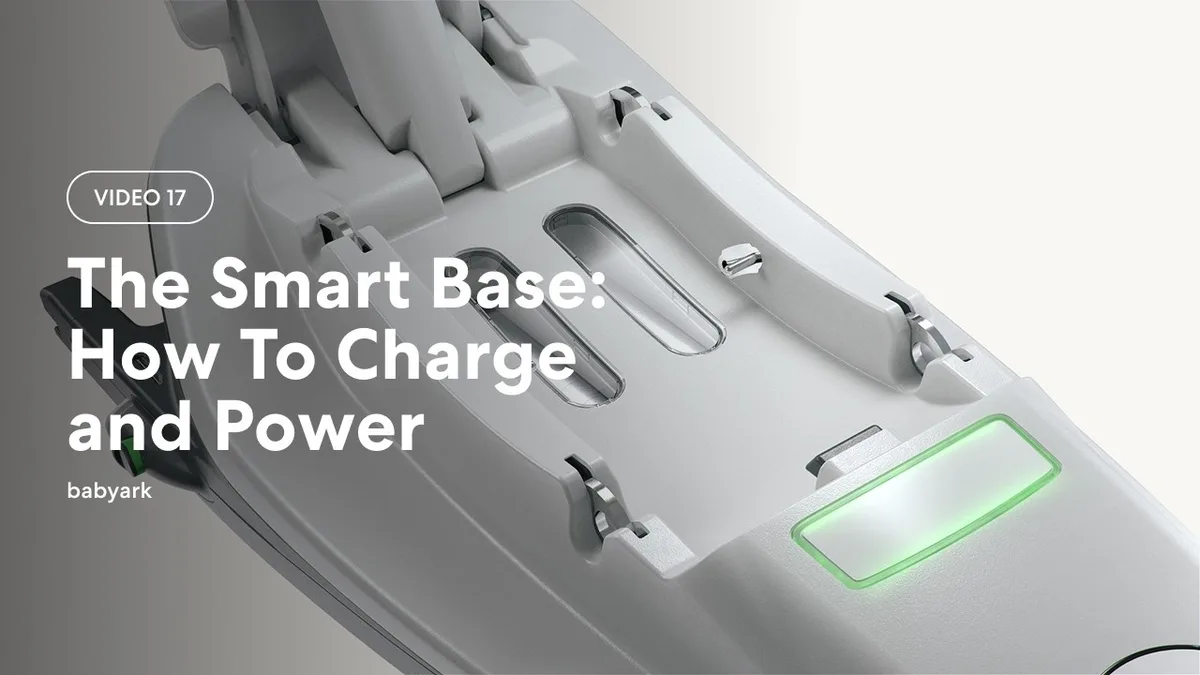
Image source: YouTube / babyark (YouTube thumbnail (fair-use with source credit))
Deciphering the Manufacture Date (DOM) Sticker
Every legal car seat sold has a white tracking label attached to the shell. This is usually located on the bottom of the seat, under the plastic base, or on the back panel.
This tracking label lists the model number, the serial number, and the exact Date of Manufacture (DOM). The DOM is typically formatted as Year/Month/Day or Month/Day/Year.
If your seat lists a manufacture date of October 15, 2022, and has a 7-year lifespan, the seat will expire on October 15, 2029.
Never guess this date. Always locate the physical sticker to verify your seat’s timeline, especially if you are working on a budget for baby gear alongside other parenting essentials like finding top-rated brewers or setting up a nursery.
Molded Warnings in the Shell
To prevent issues with fading ink or peeling stickers, many modern manufacturers now stamp the expiration warning directly into the plastic structure of the seat.
On the underside of the shell, you will often find raised, molded print that reads, “DO NOT USE AFTER DECEMBER 2031” or “DO NOT USE 84 MONTHS AFTER MANUFACTURE.”
If you are using a secondhand seat and this sticker is missing, peeled off, or unreadable, the seat must be treated as expired and discarded immediately. There is no safe way to verify its history or lifespan without that tracking label.
Lifespan Timelines by Major Brand
Because different manufacturers use different proprietary plastics, steel reinforcement frames, and engineering standards, expiration lifespans vary by brand.
The table below outlines the general lifespan guidelines for major car seat brands as of 2026:
| Manufacturer | Average Lifespan | Typical Lifespan by Seat Type |
|---|---|---|
| Graco | 7 to 10 Years | Infant carriers are typically 7 years, while belt-positioning boosters and steel-reinforced all-in-one seats are rated for 10 years. |
| Chicco | 6 to 10 Years | Standard infant seats expire after 6 years. KeyFit models and NextFit convertible seats are generally rated for 8 to 10 years. |
| Britax | 6 to 10 Years | ClickTight convertible seats and booster seats built with steel reinforcement frames are rated for 10 years. Infant seats are 6 years. |
| Nuna | 7 to 10 Years | All PIPA infant seats have a 7-year lifespan. RAVA and EXEC convertible systems are rated for 10 years from manufacture. |
| Evenflo | 6 to 10 Years | Most basic infant and convertible models carry a 6-year lifespan. Gold series and specialized all-in-one seats extend up to 10 years. |
Critical Risks: What Happens If You Use an Expired Seat?
Using an expired car seat puts your child at risk of severe injury during a sudden stop or collision. The primary danger of an expired seat is dynamic structural failure.
In a crash at 30 mph, an unsecured object can experience forces up to 20 times the force of gravity. If the plastic shell has become brittle due to years of heat exposure, the massive load of the harness straps pulling forward can snap the plastic anchors clean off. When this happens, the seat can split apart, causing the harness to fail completely.
Beyond structural failure, expired seats fail to protect because of worn-out safety components. The energy-absorbing EPS foam lining the seat can become dry and crumbly over time.
Once the foam loses its elasticity, it can no longer cushion your child’s head and chest during an impact. This means the full force of the collision is transferred directly to your child’s body.
Finally, using an expired seat means you lose all manufacturer support. If a parts recall is issued, or if you need to replace a worn buckle, manufacturers will not provide replacement components for an expired model.
You are entirely on your own, using gear that no longer meets modern safety standards.
The Secondhand Car Seat Safety Checklist: When to Say No
Buying used baby gear is a great way to save money, but car seats are the one exception where saving money should never override safety. If you are considering using a hand-me-down seat from a friend or relative, you must run through this checklist.
If the seat fails even one of these criteria, do not use it.
[ ] You know the complete history of the seat from day one.
[ ] The manufacturer tracking label is present and readable.
[ ] The seat has never been involved in any crash, major or minor.
[ ] There are no open active recalls on this specific model number.
[ ] The harness webbing is completely free of frays, cuts, and deep chemical stains.
[ ] The harness has never been washed in a washing machine or soaked in water.
[ ] All original parts, inserts, chest clips, and manuals are present.
Verifying Crash History and the NHTSA “Minor Crash” Rule
You should only buy or accept a used car seat if you get it from someone you know well and trust completely. Never buy a used seat from online classifieds or garage sales, as sellers may hide crash history to make a sale.
According to the NHTSA, a car seat must be replaced after any moderate-to-severe crash. However, you do not need to replace the seat after a minor crash if it meets every single one of the following requirements:
- The vehicle was able to be driven away from the crash site.
- The door closest to the car seat was completely undamaged.
- No passengers in the vehicle sustained any physical injuries.
- The vehicle’s airbags did not deploy during the incident.
- There is no visible damage, stress marks, or cracks anywhere on the car seat shell.
If the accident fails even one of these criteria, the seat is structurally compromised and must be thrown away immediately.
Identifying Recalled Seats via Manufacturer Databases
Manufacturers continuously monitor safety performance after a seat hits the market. If a defect is discovered, they issue a safety recall.
To check if a secondhand seat is safe, locate the model number and manufacture date on the white tracking sticker. Then, head to the NHTSA Recalls Database or check the safety notices on the manufacturer’s official website.
If the seat has been recalled, do not use it until you have obtained the manufacturer’s official repair kit or replacement part. If a fix is not available, the seat must be disposed of.
The Wash Risk: Has the Harness Been Submerged?
One of the most common ways parents accidentally ruin a perfectly good car seat is by washing the harness straps incorrectly. When dealing with diaper blowouts or spilled milk, it is tempting to throw the harness straps into the washing machine or soak them in a bucket of soapy water.
This is a critical mistake. Car seat harness straps are treated with specific flame-retardant chemicals and woven to allow a highly controlled amount of stretch during an impact.
Submerging the straps in water or washing them with household detergents strips these essential flame retardants and degrades the polyester fibers.
If a well-meaning relative tells you they kept the seat clean by machine-washing the straps, thank them, but decline the seat. The harness could snap under tension in an accident.
What to Do with an Expired or Damaged Car Seat
You must dispose of an expired or damaged car seat in a way that prevents anyone else from salvaging and using it. Leaving an unusable seat intact on the curb invites others to take it, unaware of the structural dangers.
The Defacing Protocol: Preventing Reuse of Discarded Seats
To ensure your expired seat is never used again, you should dismantle it completely. Use a utility knife to cut the harness straps, chest clips, and crotch buckle off the seat shell.
Next, peel back the fabric cover and pull out the interior energy-absorbing foam panels. Use a thick permanent marker to write “EXPIRED: DO NOT USE” or “TRASH: DESTROYED” in large letters on the bare plastic shell.
If you have a saw, cutting the plastic shell in half is the absolute best way to make it completely unusable. This guarantees that no parent will pick it up from the garbage pile.
Retailer Trade-In Programs and Recycling Alternatives
Rather than sending your old seat straight to the landfill, you can wait for a major retail trade-in event. Large retailers like Target and Walmart host car seat recycling events once or twice a year.
These companies accept expired or damaged seats in any condition and coordinate with waste management partners to recycle the raw plastics. In return, they typically provide a digital coupon or discount toward your next baby gear purchase.
This is an excellent way to replace your old seat while saving on high-quality upgrades, such as our favourite strollers for newborns or other nursery basics.
Mistakes to Avoid When Managing Child Restraints
Caring for safety gear requires attention to detail. Many well-meaning families make simple mistakes that compromise their child’s safety without realizing it.
Buying Used from Unknown Online Sellers
Buying a used safety seat from an online stranger is a major safety risk. You cannot verify if the seat was involved in a crash, washed with harsh chemicals, or stored in a way that ruined the plastic.
If you are trying to manage your budget, it is much safer to buy a lower-cost, brand-new seat than to purchase a premium used model with an unverified history. New seats must meet the same federal safety guidelines regardless of price.
Storing Seats in Untempered Spaces
If you are saving a seat for a future sibling, where you store it matters. Freezing attics, damp crawlspaces, and outdoor storage sheds experience intense temperature shifts.
These unconditioned environments accelerate polymer degradation, causing the plastic shell to age much faster than normal. Always store your spare safety gear inside a climate-controlled closet or under-bed storage area.
Cleaning with Chemical Solvents and High Heat
When a spill occurs, never use abrasive cleaning pads, bleach, or heavy-duty dish soaps to scrub the seat components. Chemical solvents degrade the fire-retardant properties of the seating fabrics and weaken the structural plastics.
Always clean the seat plastic with mild soap and warm water, and let it air-dry naturally. Never use a high-heat hair dryer or direct sunlight to speed up drying, as high heat can warp the shell components.
Understanding these structural care points is key to keeping your baby safe, just as learning proper burping steps helps ease infant digestion.
Frequently Asked Questions
Does the infant car seat base expire at the same time as the carrier?
Yes, the infant car seat base expires on the same timeline as the carrier because it is made of the same plastics and metal components. The base undergoes identical vehicle cabin heat cycles and stress over time. Always check the separate manufacturing sticker located on your base to verify its exact expiration date.
Does the expiration period begin at purchase or manufacture date?
The expiration period begins on the exact date of manufacture, not the date you buy the seat or start using it. A seat that sits on a retail shelf for eighteen months before purchase has eighteen months less of total usable life. Check the manufacturing label at the store before purchasing to make sure you get a fresh unit.
How do I check if my car seat has been recalled?
You can check for recalls by visiting the official NHTSA recall database online. You will need to enter your seat’s brand name, model name, model number, and manufacture date. Registering your new seat with the manufacturer using the included registration card is the fastest way to get notified of any future recalls.
Can I buy replacement harness straps for an expired seat?
No, you cannot buy replacement parts of any kind for an expired seat. Manufacturers cease production of replacement parts once a seat model reaches its general expiration age. If the seat or any of its main structural parts are expired, the entire unit must be destroyed and replaced.
The Expert Verdict: When to Keep and When to Replace
Deciding whether to keep or replace a car seat comes down to verifying the physical manufacturing date, checking its structural condition, and knowing its complete history. If your seat is structural whole, has never been in a crash, and is well within its printed expiration lifespan, you can fearlessly keep using it.
However, if you cannot read the manufacturing sticker, suspect previous crash damage, or find that the expiration date has passed, you must replace the seat immediately. There is no middle ground when it comes to structural safety during a high-speed collision.
If you need to purchase new safety gear, look for recent models with steel-reinforced frames and easily removable, washable covers. This ensures your investment remains structurally sound and easy to clean for its entire lifespan.
Taking care of these safety basics helps you focus on other essential aspects of early parenting, like finding sound machine systems to establish healthy sleep routines.