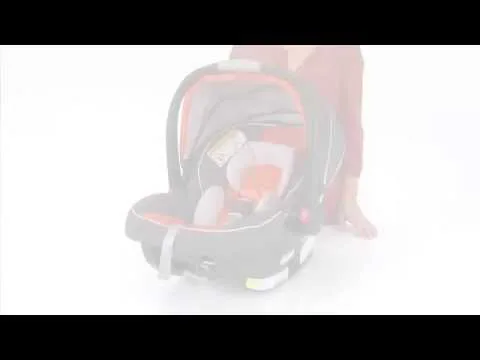

If you're wondering whether do kids need car seats on planes, the short answer is yes. Airlines legally allow lap infants under two, but safety experts strongly advise against it. Holding a child during severe turbulence is physically impossible for an adult.
The Federal Aviation Administration recommends using a Child Restraint System for any child under 40 pounds. As of 2026, standard economy seat pitch sits between 28 and 32 inches. That tight space makes choosing the right restraint critical.
Let's break down exactly what keeps your child safe in the air.
do kids need car seats on planes
Kids absolutely need car seats on planes for maximum safety. The FAA allows lap infants under age two. However, aviation experts strongly recommend buying a separate seat.
You should use an approved child restraint system every time.
Why the FAA Allows Lap Infants (And Why You Shouldn't Do It)
Airlines let children under two fly free on your lap. This rule exists mostly for economic reasons, not safety. Buying an extra ticket adds up fast for families.
But saving money here introduces serious risk.
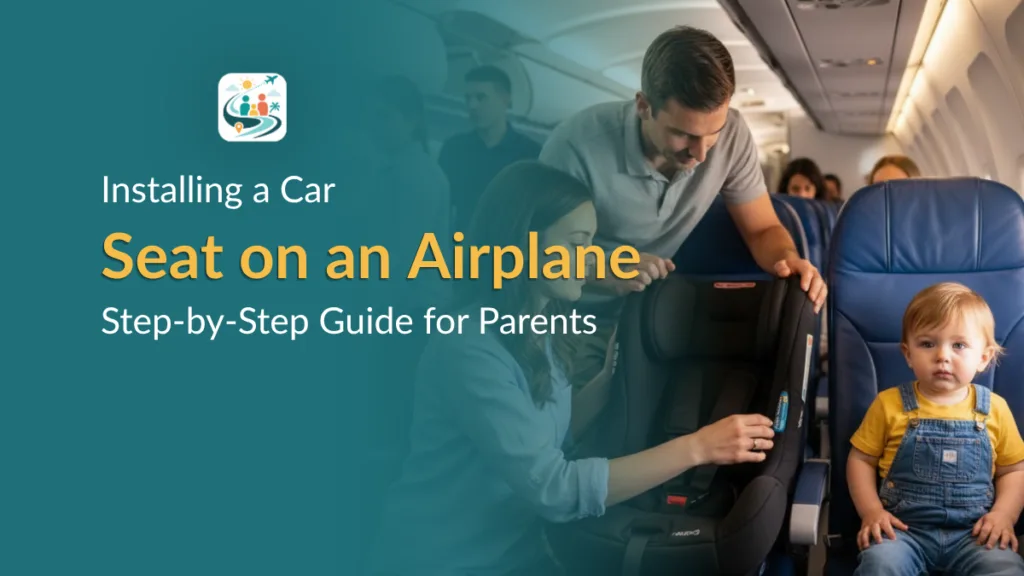
Image source: Bing (Web (fair-use with source credit))
Clear Air Turbulence strikes without warning or visual cues. During sudden negative G forces, a 20 pound toddler effectively weighs hundreds of pounds. No adult can maintain their grip through that kind of physics.
Unrestrained children become projectiles inside the cabin.
The National Transportation Safety Board has pushed for mandatory restraints for decades. They point out that we strap luggage into overhead bins but leave babies loose. Per FAA safety guidelines, a purchased seat with a proper harness is always safer.
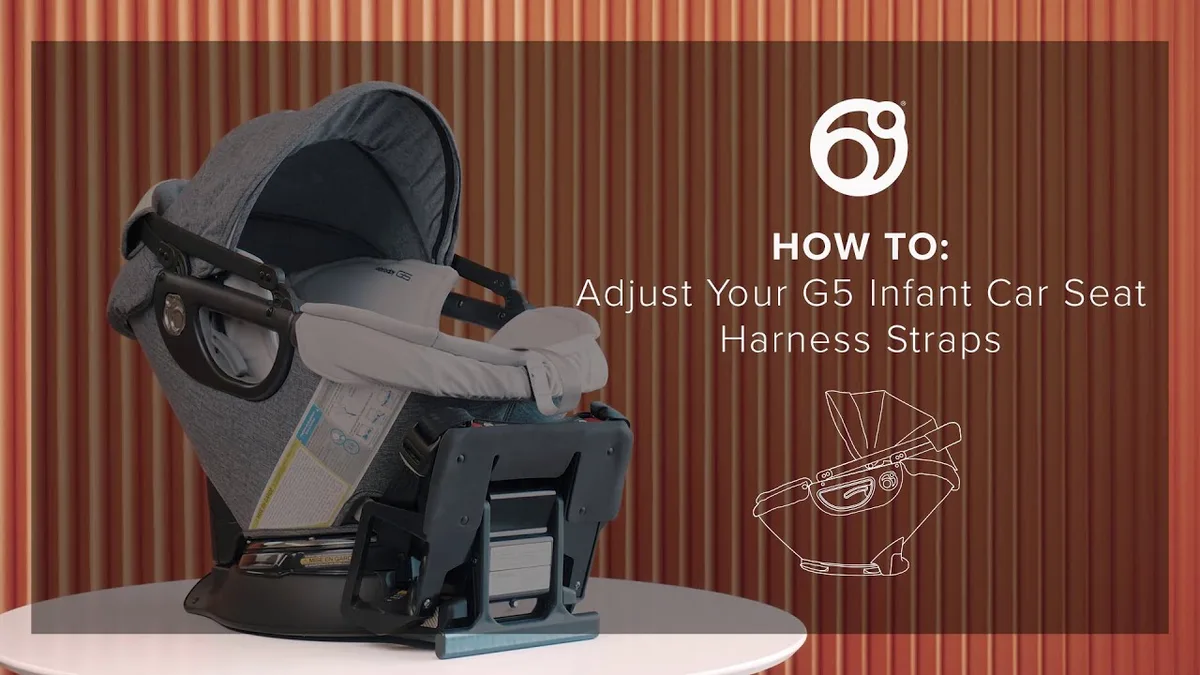
If you've ever wondered about keeping your little one secure during transit, looking into travel-friendly rear-facing options helps narrow down your gear.
You don't have to follow the bare legal minimum. Paying for that extra seat gives you peace of mind. It also gives your child a familiar place to sleep.
We've seen aggregate reviews consistently show parents regret flying with lap infants after experiencing heavy turbulence.
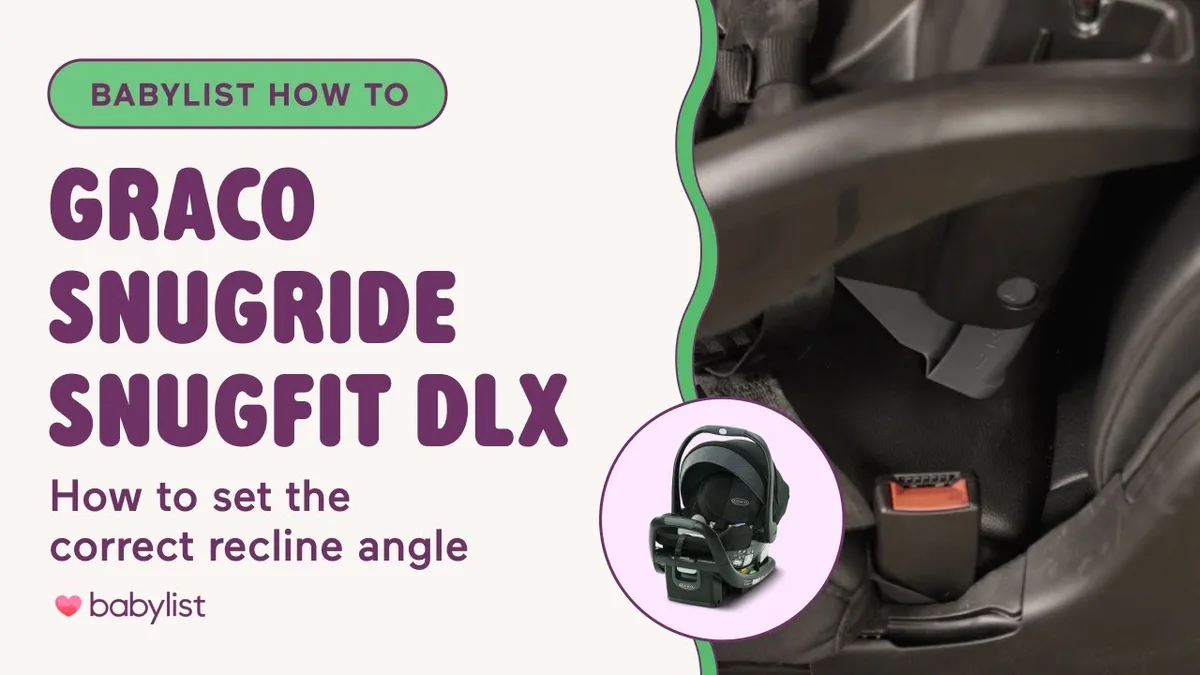
Knowing when your child actually outgrows their current setup matters just as much at thirty thousand feet. Checking when they exceed infant limits ensures your chosen seat still provides adequate protection.
Car Seat vs. CARES Harness: Choosing the Right Restraint for Your Flight
You have two main choices for restraining a child on an aircraft. A traditional hard shell car seat offers the highest level of protection. The CARES harness provides a lightweight alternative for older toddlers.
Each option serves a different type of traveler.
The CARES harness is the only FAA approved aviation restraint that isn't a car seat. It works strictly for children weighing between 22 and 44 pounds. You loop it around the airplane seatback and thread the airline belt through it.
It packs down to the size of a paperback book.
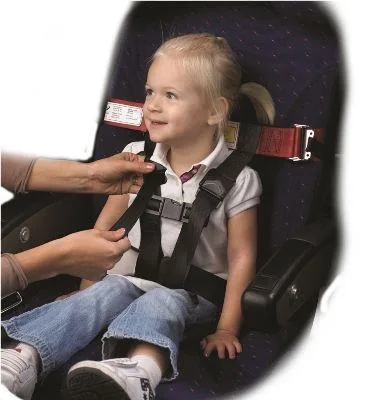
Image source: Web (Bing) / littlegulliver.com.au (Web image (fair-use with source credit))
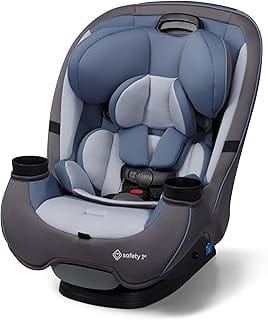
Car seats work from birth all the way up to specific weight limits. They provide side impact protection and structural rigidity. They also double as ground transportation once you land.
The downside is hauling a bulky seat through airport security.
| Feature | Hard Shell Car Seat | CARES Harness |
|---|---|---|
| Weight Limit | Varies by model | 22 to 44 lbs |
| Portability | Heavy and bulky | Fits in a pocket |
| Ground Use | Yes | No |
| Installation | Uses aircraft lap belt | Loops over seatback |
| Best For | Infants and long trips | Toddlers and light travel |
If your child is under 22 pounds, you must use a car seat. If you want to avoid gate checking fragile gear, the harness wins. Understanding how a child should sit properly applies directly to getting a snug fit at cruising altitude.
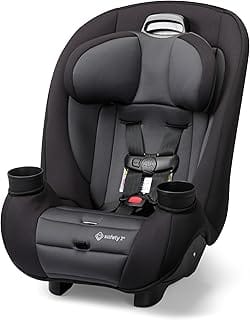
Picking a highly rated seat makes this entire process easier. Browsing top-rated convertible models helps identify units that balance cabin width with crash protection.
Will Your Car Seat Actually Fit? Specs, Measurements, and Airline Rules
Not every car seat fits on every airplane. Manufacturer specifications indicate that most economy seats measure about 16 to 17 inches wide. If your car seat exceeds 16 inches at its widest point, you'll run into trouble.
Always measure before heading to the airport.
Seat pitch creates another major hurdle. Pitch is the distance from one seat row to the next. Economy cabins usually offer 28 to 32 inches of pitch.
A rear facing installation eats deeply into the space of the passenger ahead of you.
Forward facing installations are generally easier to manage on narrow body aircraft. If you're unsure about when switching directions is safe, verify your child meets the minimum requirements first. Wide body planes offer more room, but regional jets often don't.
Airlines require car seats to be placed in window seats. This rule prevents the seat from blocking the aisle during an emergency evacuation. You cannot install a restraint in an exit row either.
Booking early guarantees you get the right seat assignment.
Make sure your gear hasn't passed its usable lifespan. Knowing why expiration dates matter ensures you aren't strapping your child into compromised plastic.
How to Install a Car Seat on an Airplane Without Losing Your Mind
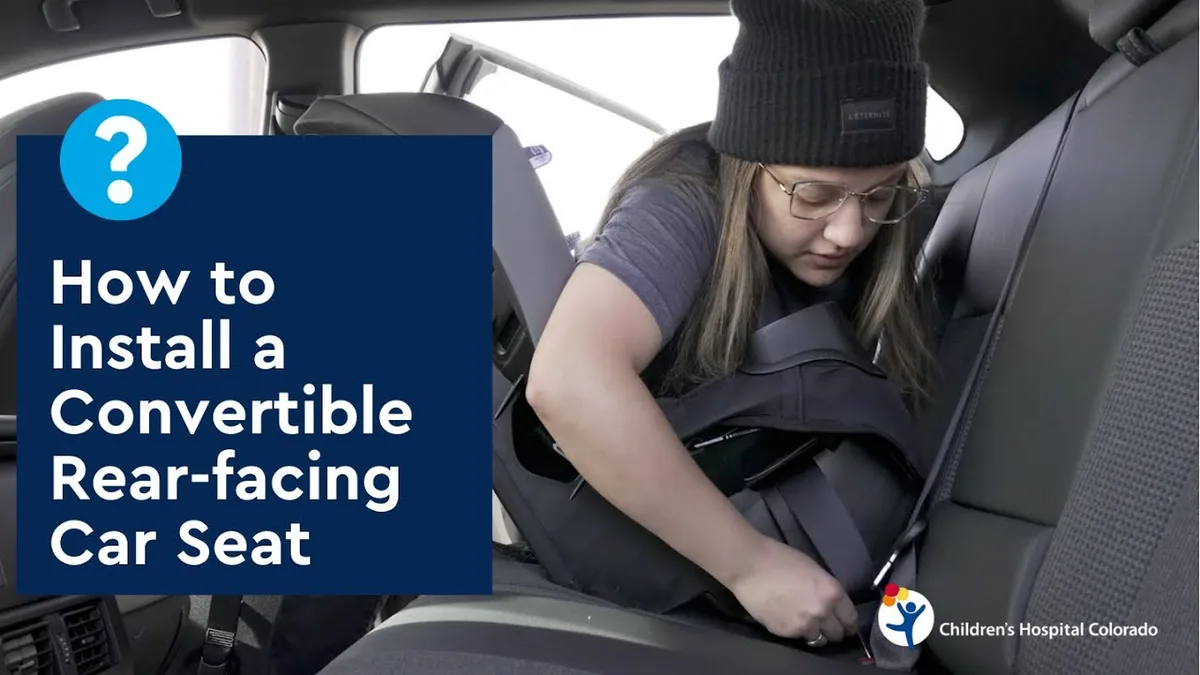
Installing a car seat in an aircraft requires a slightly different approach than your vehicle. Take advantage of family boarding if your airline offers it. Getting on the plane early means you won't block a crowded aisle while struggling with straps.
Follow these steps for a secure installation:
- Locate the FAA approval sticker on your car seat.
- Route the aircraft lap belt through the correct belt path on the seat.
- Recline the airplane seat slightly before pulling the belt tight.
- Buckle the belt and pull the tail end until the seat moves less than one inch side to side.
- Return the airplane seat to its fully upright position.
Reclining the aircraft seat first is the secret most people miss. If you tighten the belt while the seat is fully upright, it will loosen the moment someone leans back. Reclining takes up the slack permanently.
Once you push the seat back up, the restraint stays locked down tight.
Keep the instruction manual in the seatback pocket. Flight attendants have the authority to ask you to stow the car seat if it looks improperly installed. Showing them the manual proves you followed the manufacturer's exact steps.
Storing the manual nearby stops arguments before they start.
If you plan to reuse the seat immediately after landing, keep the fabric clean during transit. Looking up proper washing techniques beforehand saves you from scrubbing sticky tray table residue later.
Common Mistakes That Get Your Car Seat Banned Mid-Flight
Flight crews can force you to check your car seat if it violates cabin safety rules. This usually happens because of simple preparation errors. Knowing exactly what triggers a rejection saves you from holding a toddler in your lap for five hours.
The most frequent issue is a missing or unreadable approval label. Every child restraint system used on an aircraft needs specific wording printed directly on the shell. It must say the seat is certified for use in motor vehicles and aircraft.
If that text is worn off, crew members have the authority to deny its use.
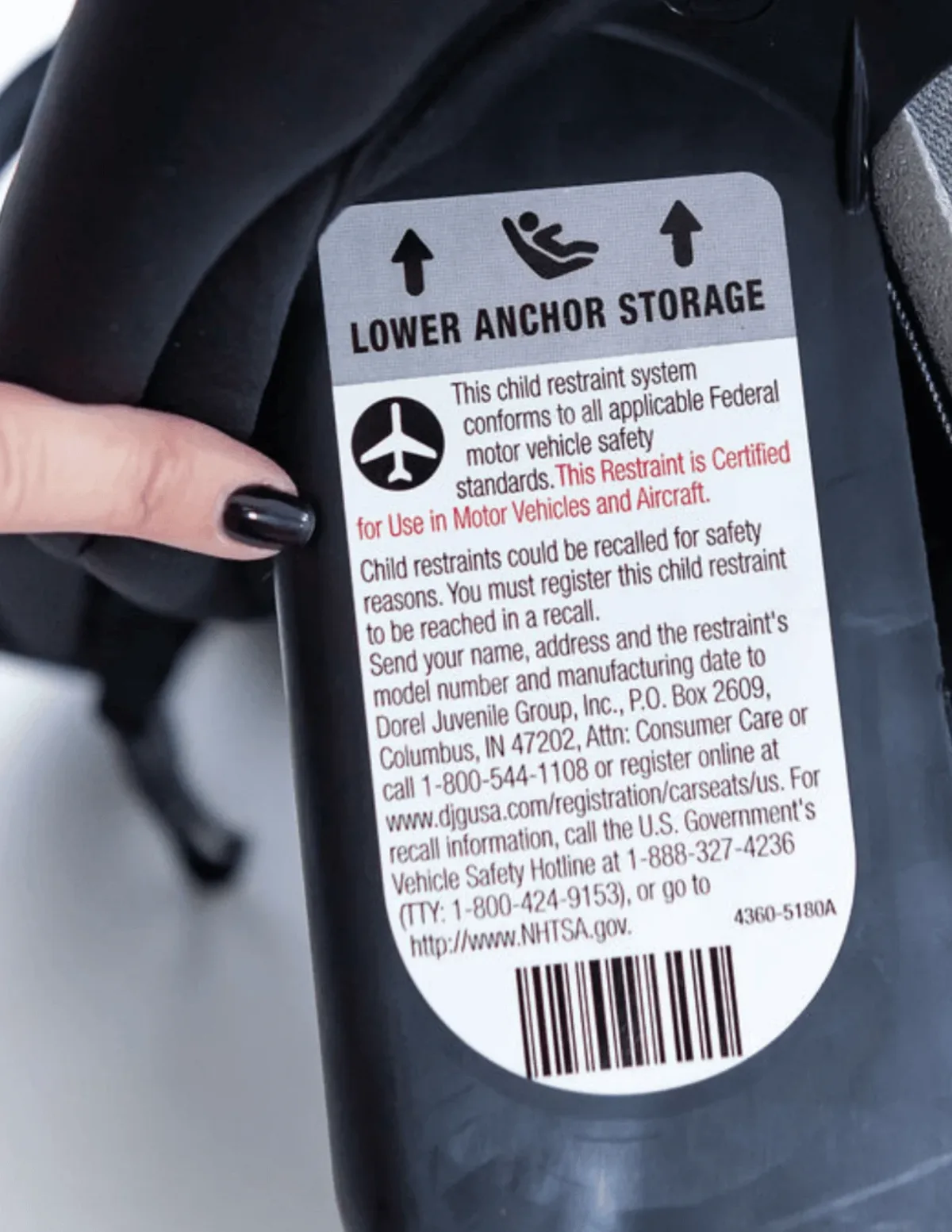
Image source: Web (Bing) / carsparecare.com (Web image (fair-use with source credit))
Using a booster seat during taxi, takeoff, or landing is another major violation. Boosters rely on a shoulder belt to function properly. Aircraft seats only have lap belts, making boosters completely ineffective during turbulence.
You must use a harnessed seat or the CARES harness instead.
Installing the seat in an aisle row causes immediate problems too. Restraints cannot block other passengers from reaching the exit. Always book a window seat before you arrive at the gate.
Aggregate user reviews show that families who skip advance seat assignments face the most stress during boarding.
Bringing a seat wider than 16 inches guarantees a tight squeeze. If it forces the armrests up, the flight attendant will ask you to remove it. Measure your gear at home rather than guessing at the gate.
Checking which convertible models fit best prevents width issues on narrow body planes.
Finally, never install a car seat facing backward if it blocks the row ahead from reclining. Some airlines strictly prohibit rear facing setups entirely. Verify your carrier's specific policy online before packing your bags.
Frequently Asked Questions
Can I bring my car seat on the plane without buying a ticket?
You can bring the physical seat through the airport without buying a ticket. However, your child needs a purchased seat to actually use it during the flight. Otherwise, you must gate check the restraint as luggage.
Do airlines charge extra for bringing a car seat onboard?
Airlines do not charge a handling fee for bringing a car seat into the cabin. You only pay for the actual passenger ticket required for the child. Gate checking the seat is also typically free across major US carriers.
What happens if my car seat does not fit the airplane seat?
If the seat exceeds 16 inches wide or blocks the row ahead, the crew will require you to stow it. You will likely need to gate check it before departure. Your child will then travel as a standard lap infant.
Is the CARES harness allowed on international flights?
The CARES harness holds FAA approval for all phases of flight within the United States. International carriers follow different aviation authorities like EASA. Always email your specific airline to confirm they accept this exact harness model.
Can my child sleep in their car seat during a long flight?
Children sleep very well in familiar restraints during long trips. The upright angle of an aircraft seat might cause their head to slump forward. Verify safe sleeping positions inside restraints to ensure proper airway alignment while cruising.
Are infant bucket seats allowed on airplanes?
Infant bucket seats are fully permitted as long as they carry the correct dual certification label. They must fit within the 16 inch width limit of your assigned seat. Rear facing installation is required for these specific models.