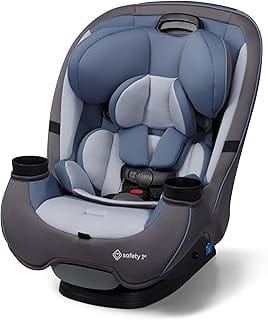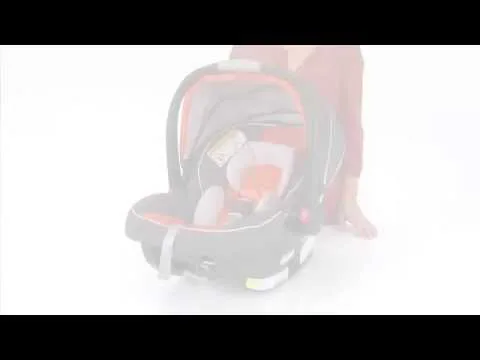

If your kid just spilled a smoothie or had a blowout, you are probably wondering if you can wash a car seat safely. The short answer is yes, but you cannot treat it like regular laundry. A child restraint system is engineered safety equipment.
Using the wrong soap or heat can destroy its crash protection.
Per FMVSS 213 testing standards, harness webbing must hold thousands of pounds of force. Submerging those straps in water degrades their tensile strength permanently. Manufacturer specifications confirm that harsh chemicals strip required flame retardant treatments.
We will walk through exactly how to clean every component safely.
can you wash a car seat
Yes, you can wash a car seat safely. Never machine wash the harness straps. Most fabric covers allow gentle cold washing.
Always air dry every single component completely. Check your specific manufacturer manual first.
Why Washing a Car Seat Is a Safety Issue, Not Just a Cleaning Task
A car seat is not a couch cushion. It is a precision piece of engineering designed to save your child's life. Every material inside a child restraint system has a specific job during a collision.
When you clean it incorrectly, you compromise those materials.
The harness straps rely on tight woven fibers to distribute crash forces across the body. Soaking them weakens that weave. The foam underneath the cover absorbs impact energy.
Harsh chemicals can eat right through it.
Even the fabric cover plays a role. If it shrinks in the dryer, it fits loosely over the shell. Loose fabric creates slack in the harness routing.
Slack means your child moves further before the straps catch them.
Our research shows parents often treat these seats like standard upholstery. Aggregate user reviews indicate many people use heavy stain removers without checking labels. This approach directly voids the safety certification of the seat.
Cleaning a car seat requires understanding what each part actually does. You have to protect the structural integrity while removing the mess. That means using specific methods for specific components.
Skipping this step risks the entire system.
If you are setting up a new ride, knowing which vehicles offer the easiest installation helps prevent unnecessary wear from constant adjustments. Proper fit reduces friction on the plastic shell. Less friction means fewer deep stains to scrub later.
Breaking Down the Seat: How to Safely Clean Straps, Foam, Covers, and Plastic
You need to separate the seat into four distinct parts. Each part requires a completely different cleaning method. Rushing this process usually results in damaged components.
Take photos of the strap routing before you unclip anything.
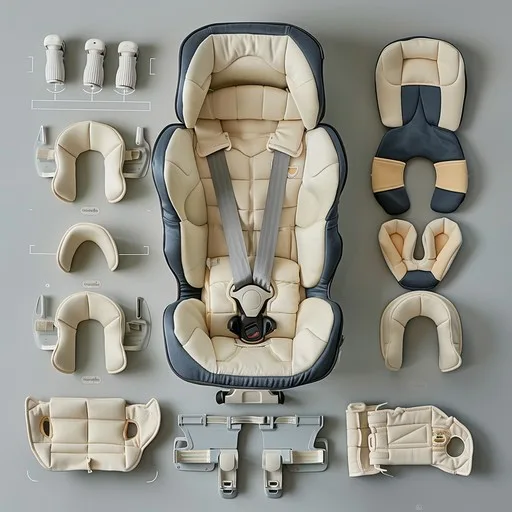
Image source: Web (Bing) / stockcake.com (Web image (fair-use with source credit))
Harness Straps
Never put the five point harness straps in a washing machine. Do not submerge them in a bucket of water. The webbing loses its tensile strength when soaked.
Wipe them down with a damp cloth instead.
Use a drop of mild dish soap if they are sticky. Gently pick off dried food with your fingernail. Avoid abrasive scrubbing brushes entirely.
Hang the straps to air dry away from direct sunlight.
Fabric Cover
Check your brand's care manual before doing anything. Some covers tolerate a delicate machine cycle in cold water. Others require hand washing in a basin.
Never use bleach or commercial spot cleaners.
Fabric softener coats the fibers and ruins flame retardancy. Squeeze the fabric gently if hand washing. Do not wring it out like a bath towel.
Lay it flat to air dry completely.
Understanding how long infants stay rear facing helps you plan cleaning schedules around growth stages. Smaller babies tend to soil covers more frequently. Plan for more frequent gentle washes early on.
EPS and EPP Foam
Expanded polystyrene foam sits under the fabric cover. It looks like packing material, but it absorbs crash energy. Do not throw it away.
Wipe it gently with a barely damp cloth.
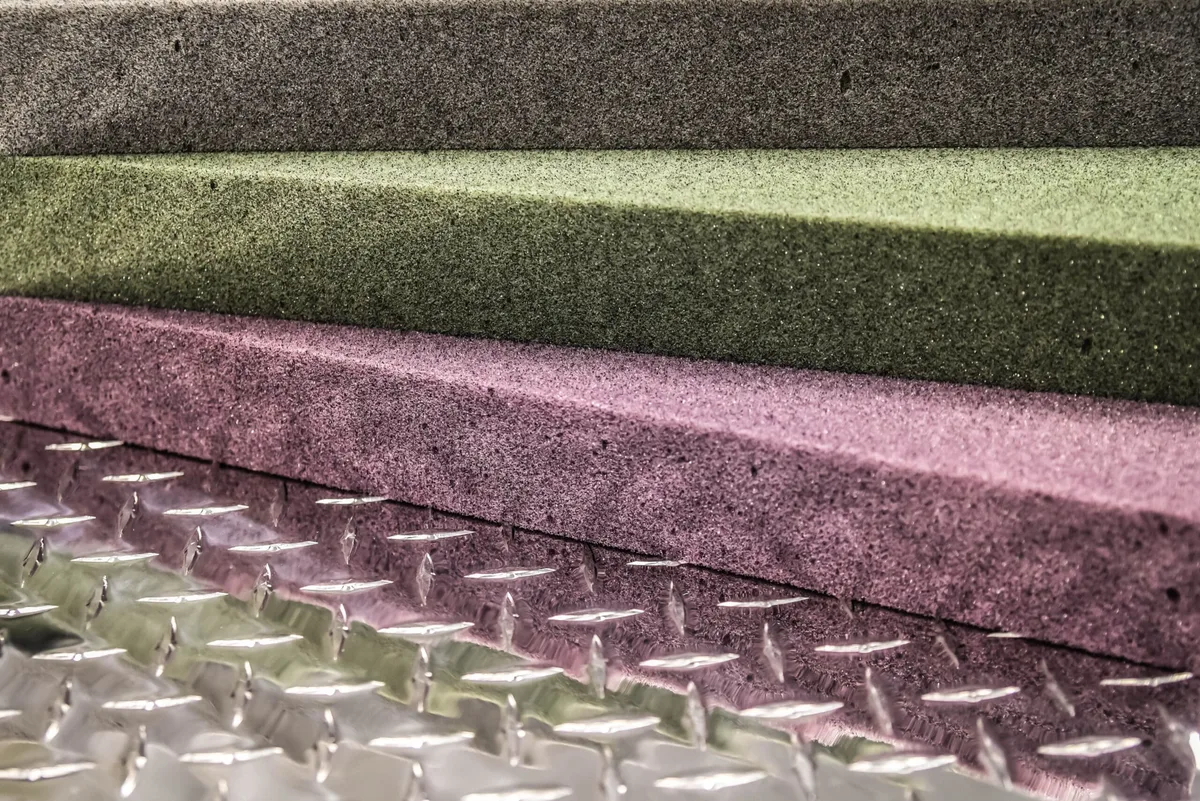
Image source: Web (Bing) / bergad.com (Web image (fair-use with source credit))
Soaking this foam causes it to crumble immediately. Chemical sprays melt the surface. If a chunk breaks off, the seat might need total replacement.
Treat this component like fragile glass.
Hard Plastic Shell
The outer shell handles the heavy messes easily. Warm water and mild soap work perfectly here. An old toothbrush gets crumbs out of the cup holder tracks.
Wipe down the LATCH connectors too.
Sticky buckle mechanisms happen often. Rinse the crotch buckle under warm running water. Do not use lubricants or oils inside the mechanism.
Let all plastic parts dry fully before reassembly.
| Component | Safe Cleaning Method | Strictly Prohibited |
|---|---|---|
| Harness Straps | Damp cloth, mild soap | Machine wash, soaking, bleach |
| Fabric Cover | Cold delicate wash, air dry | Hot water, dryer, fabric softener |
| Energy Foam | Barely damp cloth wipe | Soaking, chemical sprays, scrubbing |
| Plastic Shell | Warm soapy water, soft brush | Abrasive powders, solvents |
Real Messes, Safe Fixes: Vomit, Milk, and Mystery Stains
Kids create disasters that defy logic. Sour milk smells linger for weeks if handled poorly. Vomit seeps into crevices you did not know existed.
You need safe solutions that neutralize odors without damaging safety materials.
Avoid enzymatic cleaners meant for carpets. They contain chemicals that degrade harness webbing. Stick to basic household items that do not alter the seat's structural chemistry.
Gentle approaches always win here.
Dealing with Vomit and Sour Milk
Remove the solid mess first with paper towels. Wipe the area with a damp cloth and baby wash. Sprinkle baking soda lightly over the damp spot.
Let it sit for three hours to absorb the odor.
Vacuum the baking soda up completely. Repeat if the smell lingers. Baking soda neutralizes acids safely.
It will not eat through the flame retardant treatment on your fabric cover.
Sticky Spills and Mystery Gunk
Sugar based spills harden quickly. Warm water dissolves them better than cold. Dab the stain with a wet cloth instead of rubbing.
Rubbing pushes the sugar deeper into the fabric weave.
For stubborn spots on the plastic shell, use a fifty fifty white vinegar mix. Spray it lightly and wipe it away. Vinegar cuts through grime fast.
The smell fades completely once the seat dries.
If your child recently transitioned stages, verifying proper sizing limits for newborns ensures the seat fits snugly. A tight fit prevents liquids from pooling deep inside the shell. Less pooling means much easier cleanup routines.
Mold and Mildew Risks
High humidity climates increase mold risk inside car seats. If you spill liquid and miss a spot, spores grow fast. Always ensure every component dries one hundred percent before reassembly.
Leave the seat in a ventilated room.
Never store a damp seat in a hot trunk. Heat and moisture create the perfect breeding ground for bacteria. If you spot black mold on the foam, stop cleaning.
You likely need to replace that component entirely.
Five Cleaning Mistakes That Ruin Harness Webbing and Crash Protection
We see the same errors repeated constantly in verified buyer feedback. Parents mean well, but good intentions ruin expensive safety gear. One wrong move compromises the entire child restraint system.
Knowing what to avoid saves you money and keeps your kid safe.
These mistakes usually happen because people treat car seats like normal furniture. They grab whatever cleaner is under the sink. That approach destroys engineered materials rapidly.
Here is exactly what you must never do.
1. Machine Washing the Harness Straps
This is the most dangerous mistake you can make. Washing machines agitate and stretch the webbing violently. Water saturation alters the fiber structure permanently.
The straps will not hold rated weight in a crash afterward.
Always wipe straps by hand. If they are frayed or heavily stained beyond wiping, order replacements from the manufacturer. Never try to force them clean by soaking.
Tensile strength loss is invisible to the naked eye.
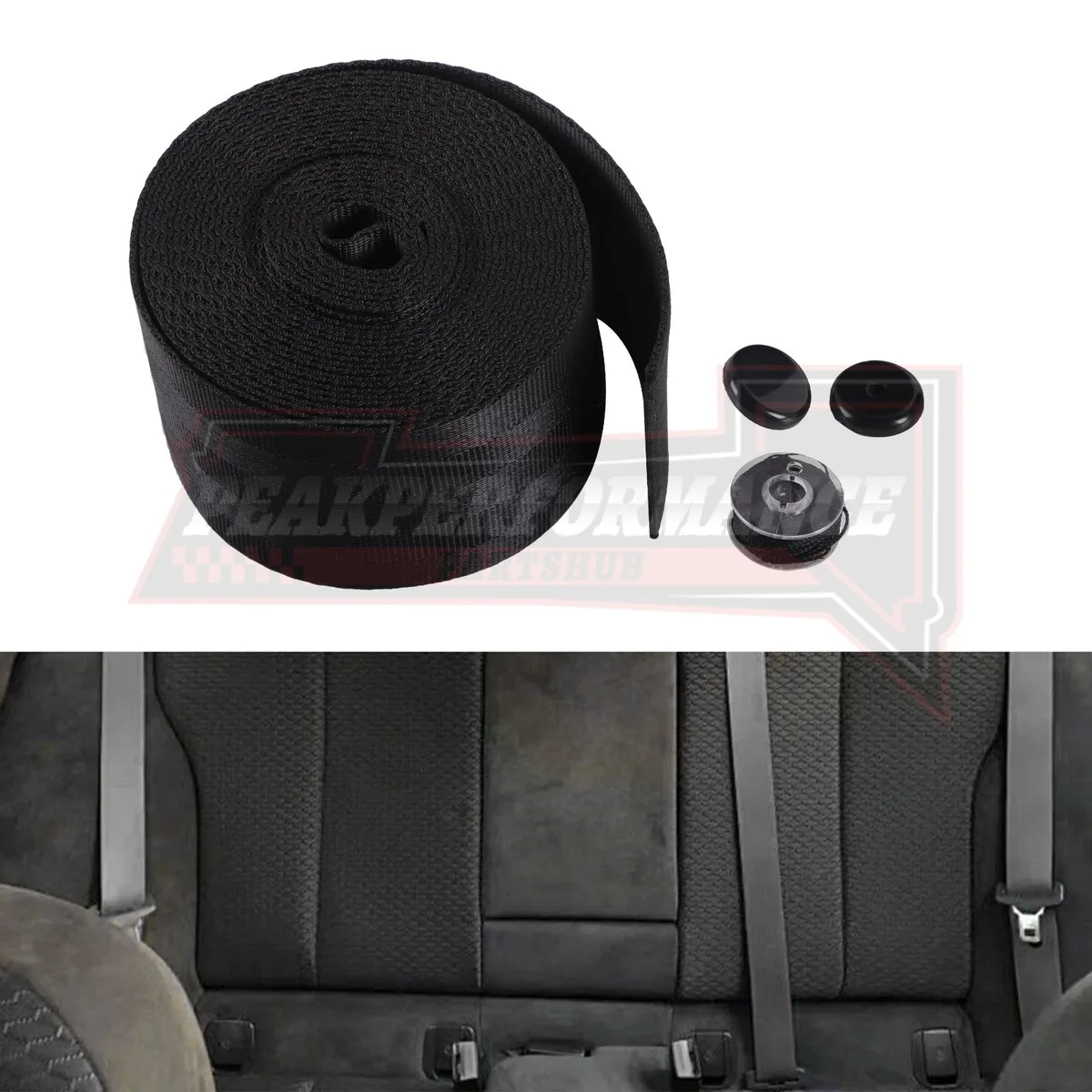
Image source: Web (Bing) / ebay.com (Web image (fair-use with source credit))
2. Putting the Cover in the Dryer
Heat shrinks fabric covers rapidly. A shrunken cover stretches tightly over the foam. This stretching pulls the harness routing out of alignment.
Misaligned routing introduces dangerous slack into the system.
Lay the cover flat on a drying rack. Let ambient air do the work. It takes longer, but it preserves the exact dimensions.
Fit matters just as much as cleanliness.
3. Using Commercial Spot Removers
Products containing heavy solvents eat through plastics and fabrics. They strip away mandatory fire resistant treatments. Once those treatments are gone, the seat fails federal compliance standards.
Stick to mild dish soap or baby wash.
If a stain refuses to lift with mild soap, leave it alone. A visible stain is infinitely safer than chemically weakened webbing. Do not trade crash protection for aesthetics.
Function always beats appearance here.
4. Scrubbing the Energy Absorbing Foam
EPS foam crushes under minimal pressure. Scrubbing it with a brush tears chunks away. Those missing chunks represent lost energy absorption in an accident.
Wipe it gently or leave the dirt alone.
If the foam cracks during cleaning, inspect the damage closely. Minor surface scuffs are fine. Deep gouges or broken corners usually mean replacing the seat.
Check your specific brand guidelines on foam damage.
5. Ignoring the Manufacturer Manual
Every brand uses slightly different materials as of 2026. Merino wool covers require different care than polyester blends. Assuming all seats clean the same way causes damage.
Read the specific PDF on the official website.
Taking ten minutes to read the care section prevents ruined parts. It tells you exactly which pieces tolerate water. It also outlines warranty conditions related to cleaning.
Follow those instructions precisely.
Knowing when children transition forward facing helps you understand how wear patterns change over time. Forward facing seats catch different types of spills. Adjust your cleaning focus based on their current stage.
When Cleaning Isn’t Enough: Expiration, Crashes, and Replacing Parts
Sometimes a seat cannot be saved with soap and water. Structural damage hides beneath the fabric cover. You need to recognize when cleaning is pointless and replacement is mandatory.
Safety always overrides saving money.
Car seats endure extreme forces inside vehicles daily. Temperature swings bake the plastic. UV rays weaken the shell.
Eventually, the materials simply give out regardless of how clean you keep them.
Post Crash Replacement Rules
If your vehicle was in a moderate or severe crash, replace the seat. The NHTSA guidelines state clearly when replacement is required. Any crash involving airbag deployment or vehicle towing demands a new seat.
Micro fractures form invisibly inside the plastic shell.
Washing a crashed seat does not fix hidden damage. Do not attempt to salvage it for another child. Cut the straps so nobody else uses it.
Dispose of it according to local recycling protocols.
Checking Expiration Dates
Plastic becomes brittle over time. Look for the manufacture date sticker on the bottom or back. Most seats expire six to ten years after that date.
Expired foam compresses differently during impacts.
No amount of deep cleaning reverses chemical degradation. If your seat passed its expiration, buy a new one. Do not donate expired seats to other families.
They belong in the trash or a certified recycling program.
Ordering Replacement Parts
Harness straps get chewed by teething kids. Buckles jam with dried candy. Manufacturers sell official replacement straps and buckles directly.
Use only original equipment manufacturer parts for repairs.
Third party straps lack verified crash testing. Installing them voids your warranty and compromises safety. If a core structural part breaks, replace the whole unit.
Never rig temporary fixes on life saving equipment.
Parents often wonder about safe sleeping positions during travel and how drool affects the padding. Constant moisture accelerates wear on the fabric. Inspect the head support area regularly for thinning material.
If you notice persistent odors even after thorough washing, the foam might be compromised internally. Liquids seep past the cover into the shell base. At that point, disassembly rarely solves the problem.
Replacing the seat is the only safe option left.
Frequently Asked Questions
Can you wash car seat straps in the washing machine?
No, never put harness straps in a washing machine. The agitation and water saturation destroy their tensile strength. Wipe them down gently with a damp cloth instead.
If they are heavily soiled beyond wiping, order official replacement straps directly from the manufacturer.
How do you get vomit smell out of a car seat?
Remove the solid mess first with paper towels. Wipe the area using a damp cloth and mild baby soap. Sprinkle baking soda over the spot and let it sit for three hours.
Vacuum the powder up to neutralize the odor safely without harsh chemicals.
Is it safe to use Lysol wipes on a car seat?
Avoid disinfectant wipes on harness webbing or foam components. The chemicals in these wipes can degrade flame retardant treatments and weaken plastic shells. Use warm water and mild dish soap for sanitizing.
Vinegar solutions work well for hard plastic surfaces if you need extra cleaning power.
Can you put a car seat cover in the dryer?
Do not put fabric covers in the dryer under any circumstances. High heat shrinks the material rapidly. A shrunken cover fits loosely over the energy absorbing foam underneath.
That loose fit creates dangerous slack in your harness routing during a collision.
What happens if you wash a car seat incorrectly?
Improper washing compromises the structural integrity of the restraint system. Machine washing straps weakens their ability to hold rated crash forces. Harsh chemicals melt EPS foam blocks that absorb impact energy.
Always follow the specific care instructions printed in your manufacturer manual.
Do you need to replace a car seat after cleaning mold?
Yes, visible mold growth inside the foam usually requires replacing the entire seat. Mold roots penetrate deep into expanded polystyrene structures where wiping cannot reach. Spores also pose respiratory risks to infants sitting inches away.
Check current safety guidelines for expired seats before attempting any salvage operations on compromised gear.