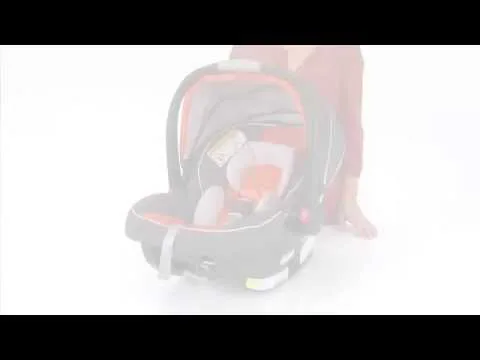

If you are wondering whether you can use a car seat on a plane, the answer is yes. Airlines allow approved child restraint systems onboard if you buy a separate ticket. It keeps your child secure during unexpected turbulence.
The process just takes a little planning before you reach the gate.
Under Federal Aviation Administration rules, your seat must meet FMVSS 213 standards to fly. Most economy seats measure between 16 and 18 inches wide as of 2026. That means checking your specific measurements matters before booking.
Let us walk through exactly how to make this work for your next trip.
can you use a car seat on a plane
Yes, you can use a car seat on a plane. The seat needs FAA approval. You must buy a separate airline ticket.
The seat cannot block other passengers.
The Decision Tree: Which Restraint Fits Your Flight, Child, and Ticket?
Choosing the right setup depends entirely on your child's weight, age, and your ticket type. If your child weighs under 40 pounds, a rear-facing car seat works best. If they weigh between 22 and 44 pounds and can sit up alone, the CARES harness is an option.
If you skip buying a separate ticket, your child flies as a lap infant.
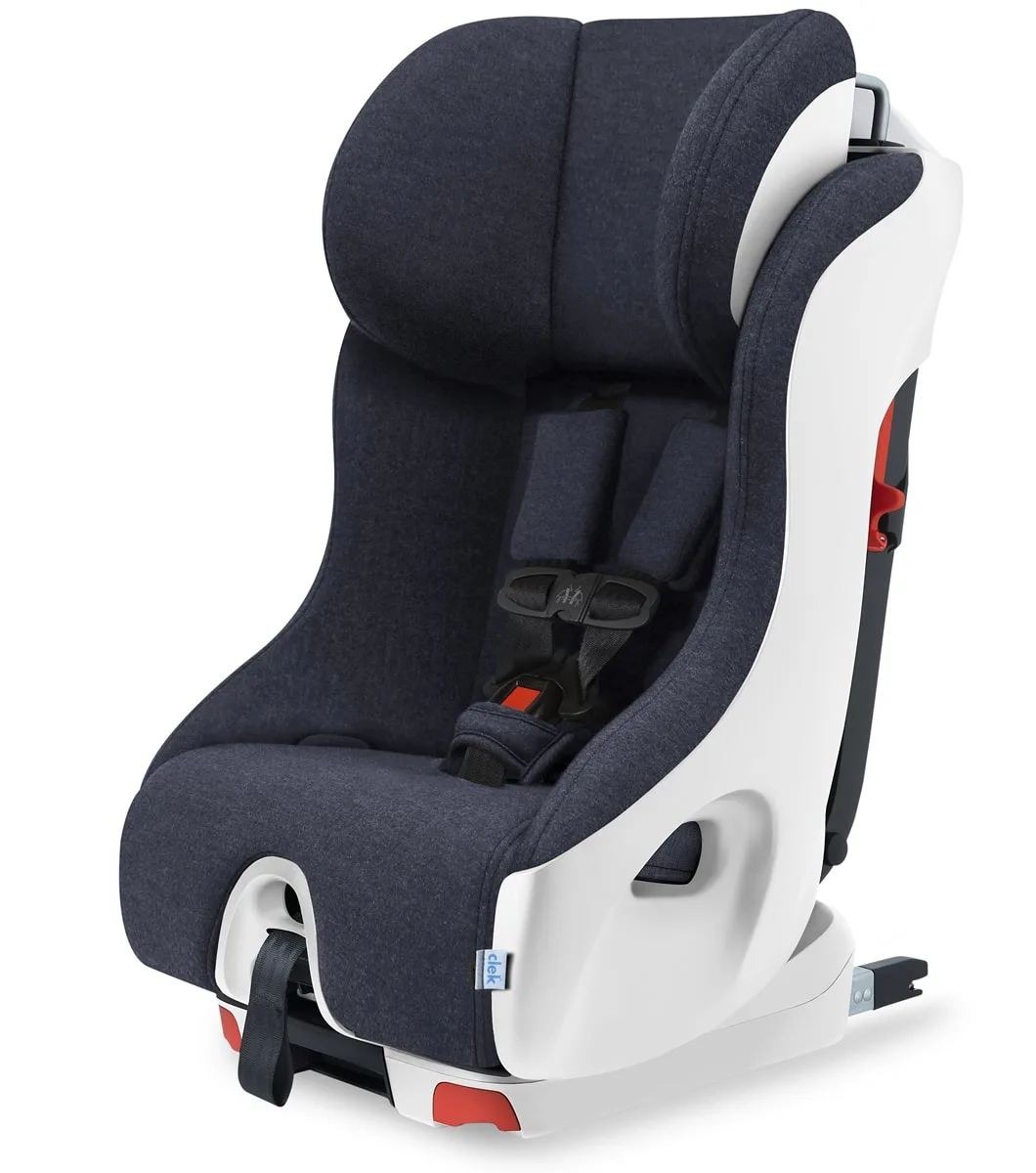
Image source: Web (Bing) / theconvertiblecars.blogspot.com (Web image (fair-use with source credit))
Here is how to map out your decision quickly based on our research into airline policies.
| Child Profile | Ticket Type | Best Restraint Option |
|---|---|---|
| Under 20 lbs | Separate seat purchased | Rear-facing infant car seat |
| 20 to 40 lbs | Separate seat purchased | Rear-facing convertible car seat |
| 22 to 44 lbs | Separate seat purchased | CARES harness or forward-facing seat |
| Over 40 lbs | Separate seat purchased | Forward-facing car seat |
| Under 2 years | No separate seat | Lap infant (airline lap belt provided) |
If you pick a traditional seat, check its width first. Narrow-body aircraft like the Boeing 737 have tight rows. A bulky model simply will not fit between the armrests.
Picking the right travel gear early saves headaches later.
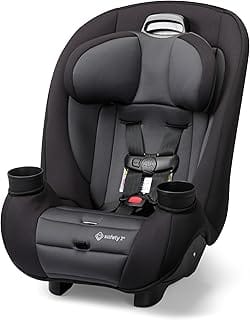
If your child has already outgrown their bucket seat, looking at convertible models designed for newborns helps narrow down lighter options that still meet aviation standards. Weight limits dictate everything here. Always match the restraint to the child's current size rather than their age.
How to Verify Your Car Seat is FAA-Approved (Before You Leave the House)
Not every car seat sold in stores is cleared for aircraft use. You need to find a specific sticker on your seat before packing. Look for a label printed in red letters.
It must state the seat is certified for use in motor vehicles and aircraft.
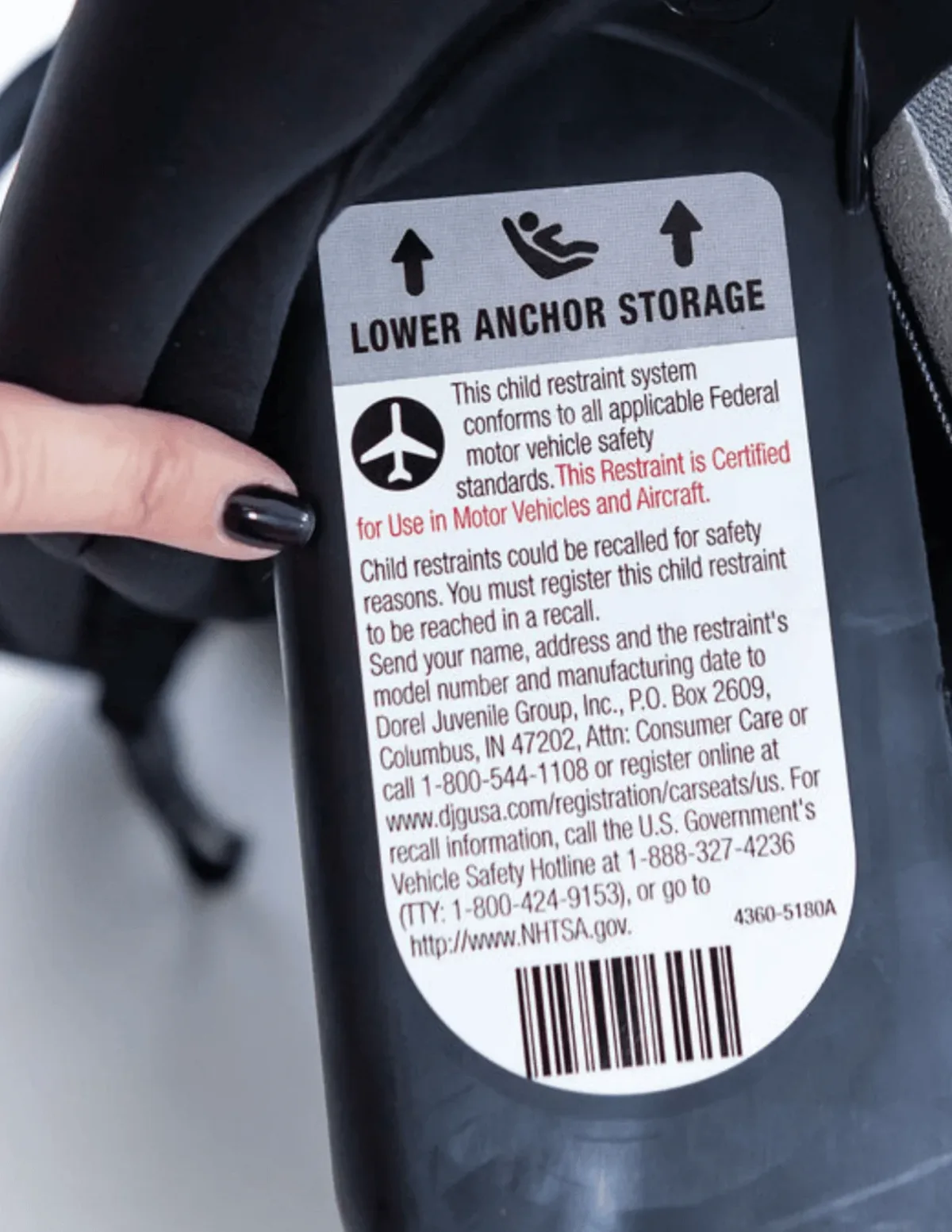
Image source: Web (Bing) / safeintheseat.com (Web image (fair-use with source credit))
This label proves compliance with FMVSS 213 testing standards. Without it, a flight attendant can legally ask you to check the seat at the gate. We have seen reports of families turned away because they missed this small detail.
Booster seats never carry this certification because they require a shoulder belt.
You should also check the expiration date stamped into the plastic shell. An expired seat fails safety checks on the ground and in the air. Knowing when these materials break down ensures you do not accidentally pack compromised gear.
Manufacturer specifications indicate most seats last six to ten years.
The Federal Aviation Administration strongly recommends using an approved child restraint system instead of holding a child in your lap. Turbulence happens without warning. A secured seat prevents serious injuries during sudden altitude drops.
Grab a tape measure while you verify the sticker. Measure the widest point of the base to ensure it stays under 16 inches for standard economy rows.
Step-by-Step: Booking, Boarding, and Buckling In Without the Stress
Getting a car seat onto an airplane involves more than just walking down the aisle. You need to plan each step from the booking screen to the final buckle click. Rushing this process usually leads to blocked aisles and frustrated passengers.
Follow this exact workflow to keep things smooth.
- Book a window seat. Airline rules require child restraints in window seats so they do not block the aisle path for other passengers during an emergency evacuation.
- Avoid bulkhead rows and exit rows. Bulkhead seats often have fixed tray tables stored inside the armrests. Those armrests do not lift up, making installation impossible. Exit rows strictly prohibit children and car seats.
- Use family boarding if available. Many airlines offer early boarding for families with young children. This gives you time to install the seat without a line forming behind you.
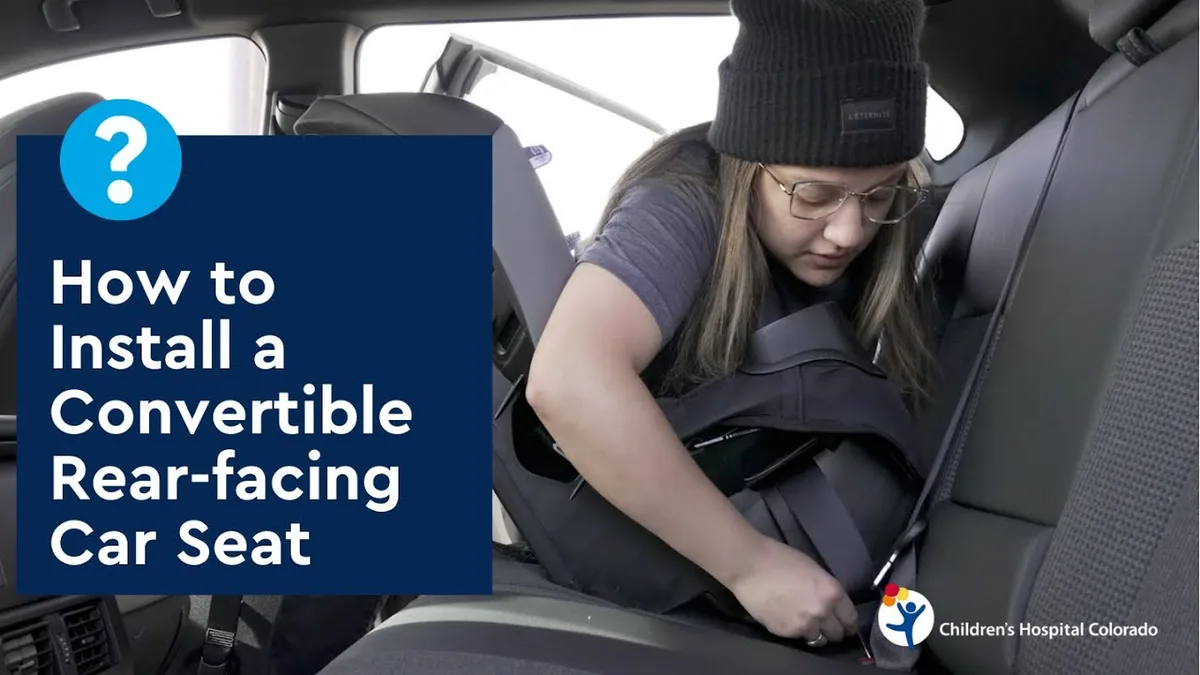
- Thread the airplane belt correctly. Route the aircraft lap belt through the correct belt path on your car seat. Rear-facing seats use one path, while forward-facing seats use another. Check your manual.
- Tighten until firm. Push down hard on the car seat while pulling the airplane belt tight. The seat should not move more than one inch side to side once locked.
Installing a rear-facing seat eats up legroom fast. If you are unsure about how long your child should stay rear-facing, check your specific model's limits. Some parents switch to forward-facing earlier just to reclaim knee space on long flights.
Keep your FAA approval sticker visible. Gate agents might ask to see it before you board. Having it ready speeds up the process.
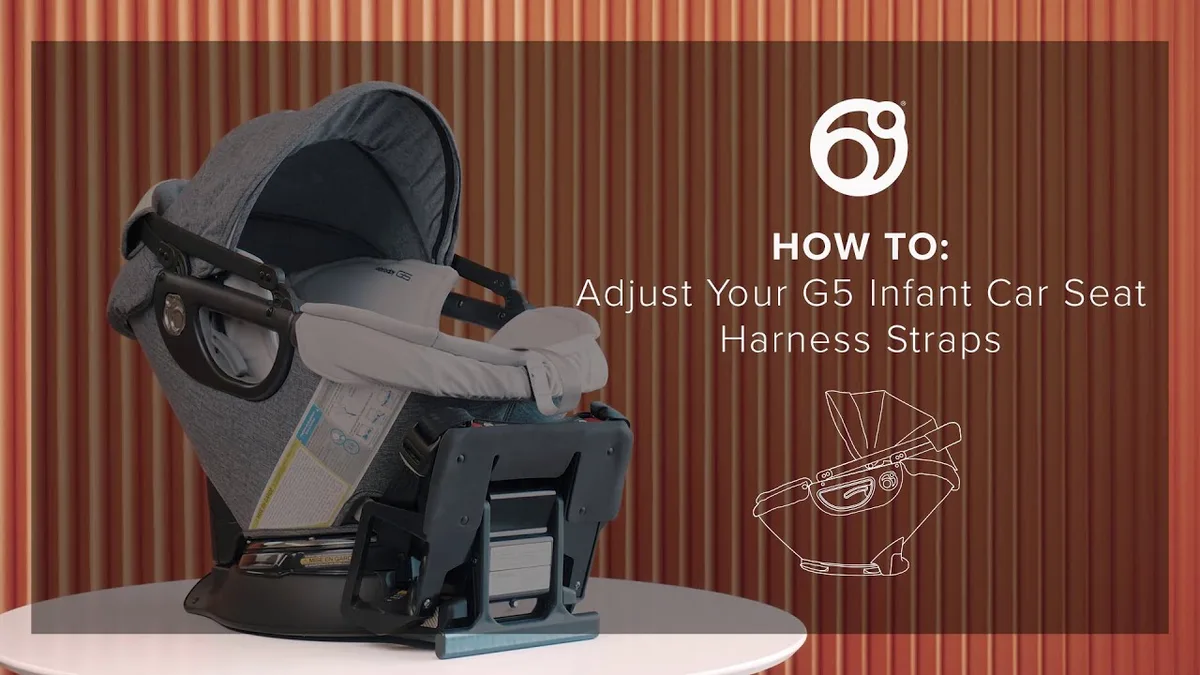
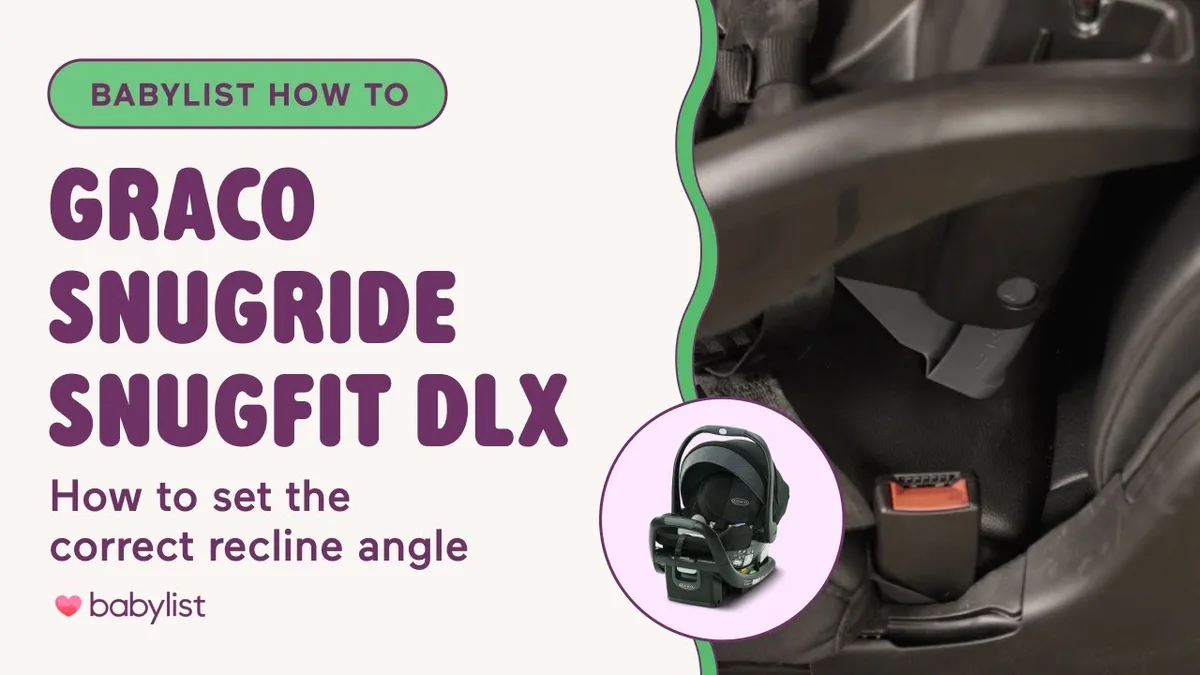
Once installed, double-check that the recline angle matches what the manufacturer allows for aircraft use. Keeping the fabric clean beforehand also makes the tight cabin space feel better, which is why knowing how to wash the padding properly comes in handy before travel day.
Car Seat vs. CARES Harness vs. Lap Infant: What’s Actually Safest?
Parents usually choose between three options when flying with young kids. Each carries different safety levels, costs, and convenience factors. Understanding the tradeoffs helps you pick the right method for your specific flight.
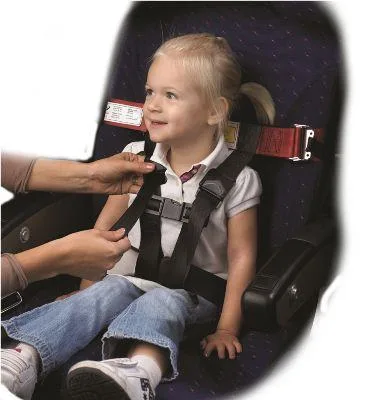
Image source: Web (Bing) / ar.inspiredpencil.com (Web image (fair-use with source credit))
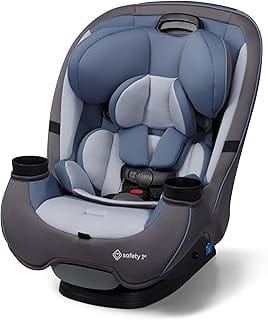
A traditional car seat offers the highest level of protection. It surrounds the child with a hard shell and a five-point harness. The downside is weight and bulk.
Hauling a 15-pound seat through airport security is exhausting.
The CARES harness provides a middle ground. It is a soft strap system weighing less than two pounds. It loops around the airplane seatback and connects to the aircraft lap belt.
However, it only works for kids weighing between 22 and 44 pounds. It also requires the child to sit upright independently. Aggregate reviews report mixed results for toddlers who refuse to stay seated.
Flying with a lap infant is the cheapest route. Children under 24 months can ride free on domestic flights if held by an adult. The National Transportation Safety Board advises against this practice.
Severe turbulence can generate forces no adult arms can withstand. Buying a separate seat remains the safest choice.
If your child is approaching the upper weight limits of their infant carrier, figuring out when they exceed those boundaries dictates whether you need a larger convertible model or can transition to the lighter harness system. Here is how the three methods stack up side by side.
| Feature | Car Seat | CARES Harness | Lap Infant |
|---|---|---|---|
| Safety Level | Highest | Moderate | Lowest |
| Weight Limit | Up to 65 lbs | 22 to 44 lbs | Under 2 years |
| Portability | Heavy and bulky | Lightweight (under 2 lbs) | Nothing to carry |
| Extra Ticket Cost | Yes | Yes | No (domestic) |
| Sleep Support | Excellent | Poor | Parent's lap |
We recommend buying a separate seat whenever your budget allows. If portability is your main concern, the harness works well for cooperative toddlers. Just remember that the harness cannot be used during taxi, takeoff, or landing on some international carriers.
Always check your specific airline's conditions of carriage before relying solely on soft restraints. Deciding when to turn them forward-facing also changes how much cabin space the seat consumes.
Mistakes That Get Your Car Seat Rejected at the Gate
Gate agents reject car seats mostly because parents pick the wrong row or bring an uncertified model. A single booking error can force you to check your seat as luggage right before boarding. Knowing these common pitfalls keeps you moving down the jet bridge without delays.
Booking a bulkhead row is the most frequent mistake we see in travel forums. Bulkhead rows have tray tables hidden inside fixed armrests. Those armrests do not lift up.
You cannot slide a child restraint system flush against the seatback if the armrest blocks the base.
Placing the car seat in an aisle or middle seat violates federal safety rules. The seat must go in a window position so it never blocks the evacuation path for other passengers. If you book an aisle seat, the crew will make you move before takeoff.
Moving a fully installed seat mid-boarding causes massive delays.
Using a seat belt extender with a car seat is strictly prohibited. Extenders change the geometry of the locking mechanism and compromise crash protection. Manufacturer specs confirm that only the standard aircraft lap belt should thread through the car seat belt path.
If the standard belt feels too short, ask the flight attendant to help you route it differently rather than requesting extra length.
Bringing a booster seat for takeoff and landing is another quick way to get stopped. Boosters lack a five-point harness and rely on a vehicle shoulder belt. Airplanes only have lap belts.
Therefore, boosters are completely banned during taxi, takeoff, landing, and turbulence. Only harnessed seats or the CARES harness work in the air.
If your current gear fails any of these checks, looking into compact models built for transit solves width issues instantly. Narrower bases fit between tight economy armrests much easier. Checking your airline's specific conditions of carriage online prevents surprises at the departure gate.
What happens if my seat does not fit?
If your car seat physically cannot fit between the armrests, the flight crew will require you to gate-check it. Your child will then need to sit on your lap if they are under two years old. This is why measuring your seat width against the airline's 16-inch to 18-inch cabin specs matters before leaving home.
Frequently Asked Questions
Do airlines charge extra for bringing a car seat?
Airlines do not charge a fee to bring an approved child restraint system onboard. However, you must purchase a separate passenger ticket for the child to use it. Without a purchased seat, the car seat must be checked as baggage.
Lap infants fly free domestically but cannot use a car seat.
Can I use an infant bucket seat on a plane?
Yes, you can use an infant-only bucket seat if it carries the FAA approval sticker. These seats usually fit well in airplane rows because their bases are naturally narrower. Just ensure the handle is positioned according to the manufacturer manual during flight.
Some carriers require the handle folded down completely.
Does my car seat count toward my baggage allowance?
A car seat used inside the cabin does not count toward your carry-on or checked baggage limits. It is considered an assistive safety device for the ticketed child. If you decide to check it instead, most airlines allow one free checked child item per paying passenger.
Always verify this with your specific carrier.
Are European car seats allowed on US flights?
European car seats certified under ECE R44 or R129 standards are generally not accepted on US domestic flights. The FAA requires compliance with FMVSS 213 testing standards. If you are flying a US-based airline, you need a seat with the specific red FAA approval text.
International carriers operating under EASA rules may accept European seats.
Where is the best place to put a car seat on a plane?
The window seat is the only legal placement for a car seat on an aircraft. This rule ensures the restraint never blocks the aisle for other passengers during an emergency exit. Avoid exit rows entirely, as children and car seats are prohibited there.
Standard economy rows near the back often provide slightly more flexibility.
How do I know when my child outgrows their travel seat?
You determine this by checking the maximum height and weight limits printed on the seat's label. Once your child exceeds either limit, the seat no longer provides adequate protection. Understanding when kids exceed those boundaries helps you time your upgrades perfectly.
Always follow the lowest maximum limit listed by the manufacturer.