
Wondering when is baby too big for infant car seat? You are not alone. It is one of the most common questions pediatricians and certified car seat technicians hear from parents.
The answer is not as simple as checking the scale.
Manufacturer specifications indicate that most infant seats max out at 30 to 35 pounds or 29 to 32 inches in height. But here is the catch. As of 2026, the American Academy of Pediatrics still recommends keeping your child rear-facing until they reach the highest limits of their seat.
That means understanding both numbers matters. Let us break down what really counts.
Quick Answer
A baby is too big for an infant car seat when their head is within one inch of the top of the shell. Or when they exceed the seat’s weight or height limit. Check both limits.
The height limit is often reached first. Switch to a convertible seat when either limit is met.
It’s Not Just About Weight: Why This Question Matters
Most parents focus on the weight limit printed on the side of their infant car seat. That number is easy to spot. It is usually something like 30 pounds or 35 pounds.
So you might assume your baby is fine as long as they stay under that number.
But weight is only half the equation. The height limit matters just as much. And in many cases, it is the height limit your baby will hit first.
Why does that matter? Because a baby whose head extends above the top of the car seat shell is at serious risk in a crash. The seat is designed to protect the head and neck within that shell.
Once the head rises above it, that protection is gone.
The National Highway Traffic Safety Administration (NHTSA) makes this clear in their official guidelines. They state that children should remain in a rear-facing seat until they outgrow the height or weight limit specified by the manufacturer. Not just one or the other.
Both.
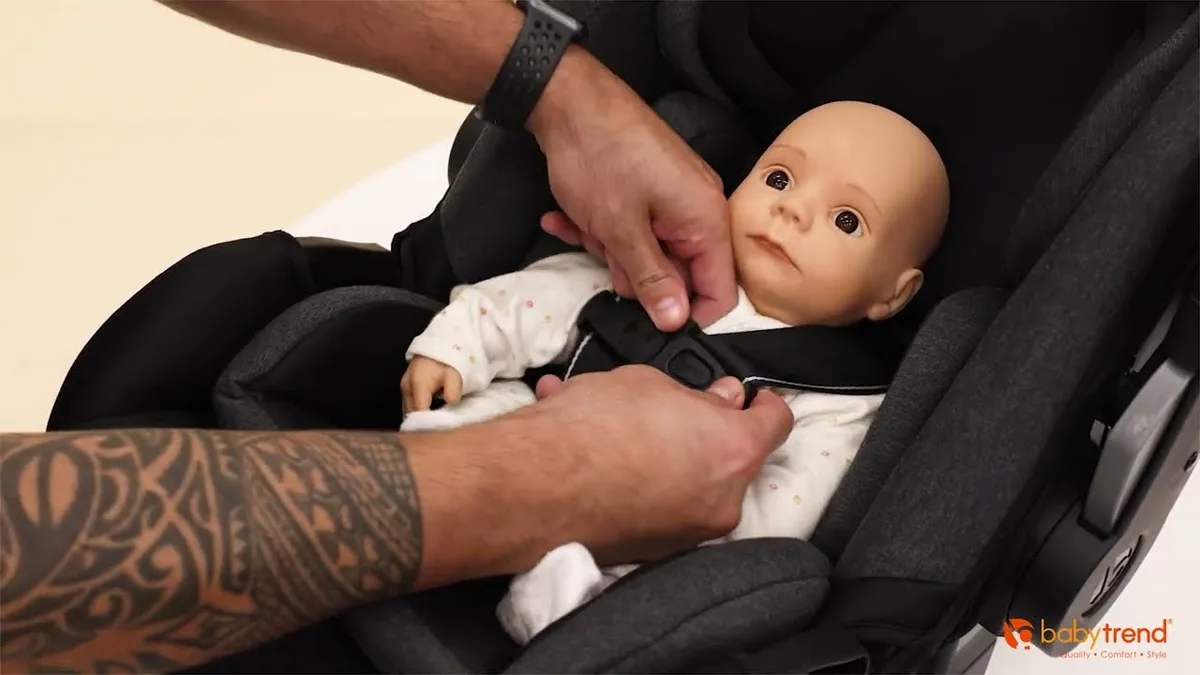
Image source: YouTube / Baby Trend (YouTube thumbnail (fair-use with source credit))
This is also why you need to check the seat’s expiration date before making any decisions. Expired seats can have weakened plastic or degraded components. Make sure your seat is still within its usable life before you worry about growth limits.
The Two Limits That Matter Most (Weight vs. Height)
Every infant car seat has two official limits printed on its label. Let us cover both so you know exactly what to look for.
Weight Limit
This is the maximum weight the seat is certified to hold in a crash. Most infant seats range from 22 to 35 pounds. Heavier babies may reach this limit first.
But the weight limit is not the only thing that matters.
Height Limit
This is the maximum height the seat is designed to protect. Most infant seats set this between 29 and 32 inches. But here is the tricky part.
Height limits are often based on the child’s total height. Some manufacturers base it on the child’s torso height. The safest way to check is the one-inch rule, which we cover next.
Which Limit Comes First?
For most babies, the height limit is reached before the weight limit. A typical 30-pound infant may be 30 inches tall. That is right at the edge for many seats.
A long and lean baby may outgrow the seat by height at 20 pounds. A shorter and heavier baby may reach the weight limit first. You cannot assume one will come before the other.
Check both.
If you are unsure about when your baby can safely ride forward-facing, our guide on the age requirements for forward-facing travel covers the rules in detail.
The 1-Inch Rule: Your Most Important Safety Check
Here is the simplest way to tell if your baby has outgrown their infant seat by height. Place your child in the seat. Adjust the harness properly.
Then look at the top of their head. There should be at least one inch of hard shell above their head.
That is it. The one-inch rule.

Image source: YouTube / MLB Baby Channel (YouTube thumbnail (fair-use with source credit))
Why One Inch Matters
The car seat shell is designed to contain and protect the head during a crash. If the head is too close to the top, the seat cannot do its job. The neck and spine are at higher risk of injury.
One inch is the minimum clearance recommended by child passenger safety experts.
How to Measure
Remove any aftermarket head supports or padding that did not come with the seat. Place your baby in the seat with the harness properly adjusted. Use your fingers to feel the top of the car seat shell.
Then check where the top of your baby’s head falls. If it is less than one inch from the top, your baby has outgrown the seat.
When to Check
Check at every use. Babies grow fast. A seat that fit last week may not fit this week.
Make it part of your routine when you buckle your child in.
Why the Weight Limit Alone Can Be Risky
It is tempting to focus only on the weight limit. The number is large and clear. It feels like a hard line.
But trusting only the weight limit can put your child at unnecessary risk.
Consider this scenario. Your baby weighs 22 pounds. The seat is rated for 30 pounds.
So you think you have lots of room. But your baby is 31 inches tall. The seat’s height limit is 30 inches.
Your baby’s head is only half an inch from the top of the shell. In a crash, the seat cannot protect them properly.
The height limit exists for a reason. It is not just a suggestion. It is a safety requirement based on crash testing.
The seat was tested with a dummy that fit within both limits. Exceeding either limit means the seat is no longer certified to protect your child.
The American Academy of Pediatrics reinforces this in their car seat safety guidelines. They recommend keeping children rear-facing until they outgrow the highest weight or height limit allowed by the seat. Not just the weight limit.
If you are wondering when it is safe to turn your child around, our resource on forward-facing requirements explains the minimum age and weight standards.
How to Check Your Baby’s Fit Right Now (Step by Step)
You can check your baby’s fit in about two minutes. Here is a simple process you can follow today.
Step 1: Check the Label
Find the sticker on the side of your infant car seat. It lists the weight limit and the height limit. Write those numbers down.
Keep them handy.
Step 2: Perform the One-Inch Check
Place your baby in the seat. Adjust the harness to the correct position. Look at the top of their head.
Measure the distance between the top of the head and the top of the shell. If it is less than one inch, your baby has outgrown the seat.
Step 3: Check the Harness Slots
The harness straps should be at or below your baby’s shoulders for rear-facing. If the straps are in the lowest slots and your baby’s shoulders are above them, the seat is too small. If the straps are in the highest slots and your baby’s shoulders are still above them, the seat is too small.
Step 4: Check the Weight
Place your baby on a scale. Compare the weight to the limit on the seat label. If your baby is at or above the limit, stop using the infant seat.
Step 5: Check the Overall Fit
Make sure there is no more than one finger width of space between the harness and your baby’s collarbone. The chest clip should be at armpit level. The harness should be snug with no slack.
Quick Reference Table
| Check | What to Look For | Action Needed |
|---|---|---|
| Head clearance | At least 1 inch of shell above head | Switch if less than 1 inch |
| Weight limit | Compare to label | Switch if at or above limit |
| Height limit | Compare to label | Switch if at or above limit |
| Harness slots | Straps at or below shoulders | Adjust or switch if needed |
| Harness tightness | Pinch test passes | Tighten if loose |
If you are considering a convertible seat as your next step, our guide to the best convertible car seat options for infants can help you find a safe and comfortable fit.
When to Start Looking at Convertible Car Seats
The best time to start looking at a convertible car seat is before your baby outgrows their infant seat. Waiting until the last minute can leave you scrambling. It can also mean using an unsafe seat for one more trip.
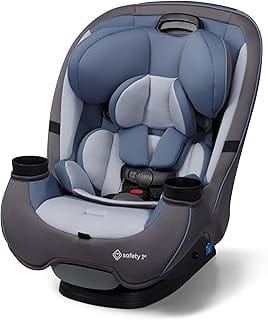
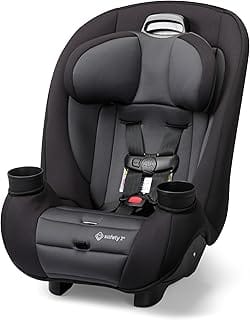
Convertible seats are designed to stay rear-facing longer. Most models allow rear-facing up to 40 or even 50 pounds. That is a big jump from the typical 30 to 35 pound limit of an infant seat.
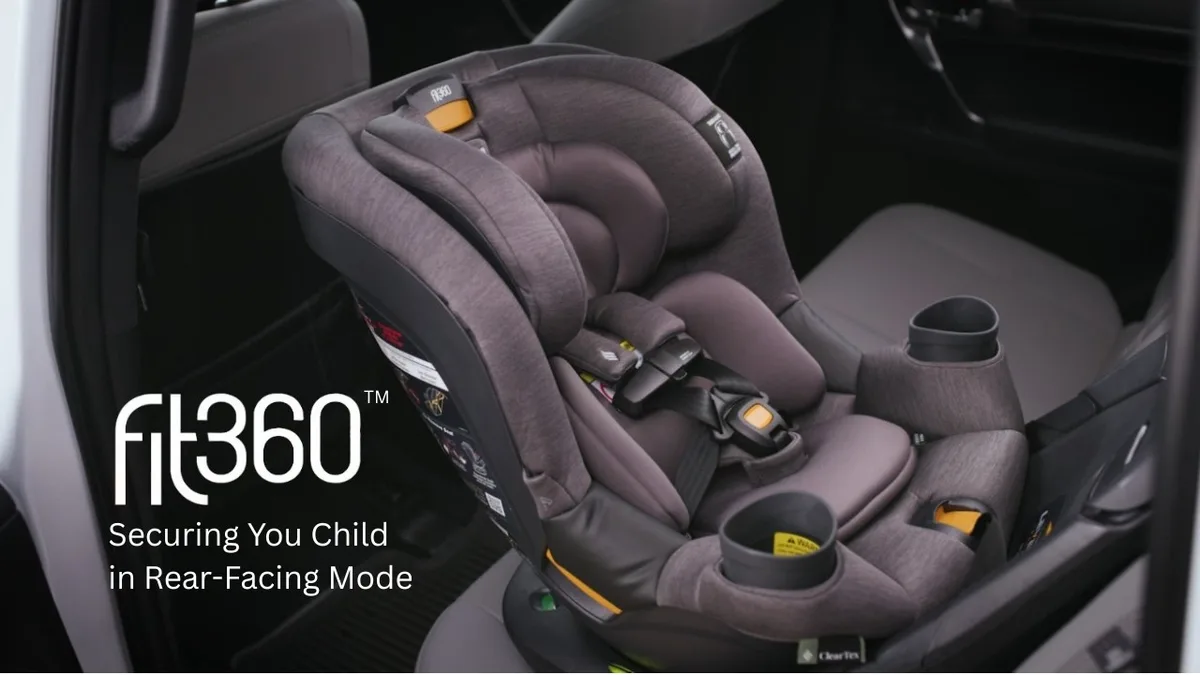
Image source: YouTube / ChiccoUSA (YouTube thumbnail (fair-use with source credit))
When to Buy
Start shopping when your baby reaches about 25 pounds or 28 inches. That gives you a few weeks of buffer. You can research models, check safety ratings, and find a good deal.
Do not wait until your baby is already over the limit.
What to Look For
Look for a seat with a high rear-facing weight limit. 40 pounds is a good minimum. 50 pounds is even better if you want to maximize rear-facing time. Check the height limit too. The seat should have a tall shell so your child can stay rear-facing longer.
Installation Differences
Convertible seats are heavier and less portable than infant seats. They stay in the car. You will not be able to click them out and carry your sleeping baby inside.
That is the trade-off. But the safety benefits of extended rear-facing are worth it.
If you travel frequently, our guide to the best rear-facing car seats for travel covers lightweight options that are easier to move between vehicles.
What About Legs Hanging Over the Seat? (The Myth That Won’t Die)
Many parents worry when their baby’s legs start touching the back of the vehicle seat. They assume it is unsafe or uncomfortable. They think it means the baby is too big for rear-facing.
This is a myth. Legs touching the seatback is completely normal. It is not a sign that your baby has outgrown the infant seat.
Why It Is Safe
Children’s bodies are flexible. They can comfortably sit cross-legged, with legs bent, or with legs splayed to the sides. Crash data shows that leg contact with the seatback does not increase injury risk.
In fact, rear-facing is safer for the legs than forward-facing.
What the Research Says
Aggregate crash data from the National Highway Traffic Safety Administration shows that rear-facing children have lower rates of leg and hip fractures than forward-facing children. The legs are free to move in a rear-facing crash. They are not trapped or pinned.
When Leg Position Actually Matters
The only time leg position matters is if your child is uncomfortable. Some children do complain. But discomfort is not a safety issue.
If your child is unhappy, you can try adjusting their leg position. You can also check that the recline angle is correct. But do not turn them forward-facing just because their legs are touching the seat.
If you are wondering about the minimum age for forward-facing travel, our article on forward-facing requirements covers the safety standards.
Common Mistakes Parents Make When Switching
Switching from an infant seat to a convertible seat is straightforward. But parents make a few common errors. Knowing them in advance can help you avoid them.
Mistake 1: Switching Too Early
Some parents switch to a convertible seat at 12 months or 20 pounds. They think it is time for a “big kid” seat. But the infant seat may still fit.
Check the one-inch rule and the weight limit first. If both are within range, you can keep using the infant seat.
Mistake 2: Switching Too Late
The opposite problem is waiting too long. If your baby’s head is within one inch of the top of the shell, the seat is unsafe. Do not make one more trip.
Switch immediately.
Mistake 3: Using the Wrong Harness Slots
When you install a convertible seat rear-facing, the harness straps must be at or below your baby’s shoulders. Some parents use the highest slots because they think it gives more room. That is wrong.
The straps must be in the correct position to hold the child securely.
Mistake 4: Not Checking the Recline Angle
Convertible seats need the correct recline angle for rear-facing use. Most have a built-in level indicator or recline foot. Check the manual.
A seat that is too upright can cause the baby’s head to flop forward. That can restrict breathing.
Mistake 5: Forgetting to Register the Seat
Register your convertible seat with the manufacturer. This ensures you receive recall notices. Many parents forget this step.
NHTSA recommends registering every seat within a few weeks of purchase.
If you are unsure about car seat expiration dates, our guide to car seat expiry explains how long seats last and when to replace them.
What the Experts Say About Extended Rear-Facing
The American Academy of Pediatrics (AAP) has been clear for years. Children should remain rear-facing until they reach the highest weight or height limit allowed by their car seat. That is the medical standard as of 2026.
Why Experts Recommend It
Rear-facing is safer for the head, neck, and spine. In a crash, the force is distributed across the entire back of the car seat. The baby’s head, neck, and spine are supported.
In a forward-facing crash, the harness must catch the child. The neck and spine take more force.
How Long Does “Extended” Mean?
For most children, extended rear-facing means keeping them rear-facing until age 2 or 3. Some children can stay rear-facing until age 4. It depends on the child’s size and the seat’s limits.
The goal is to keep them rear-facing as long as possible.
What About State Laws
State laws set minimum requirements. Most states require rear-facing until age 1 or 2. But the AAP recommendation is stronger.
It is based on safety data, not legal minimums. Follow the AAP guidance, not just the law.
The Bottom Line
Do not rush to turn your child forward-facing. The safety benefits of rear-facing are well documented. Every extra month of rear-facing reduces the risk of serious injury in a crash.
Our article on forward-facing age requirements provides the full details on when it is safe to switch.
Quick Reference: Signs Your Baby Has Outgrown the Infant Seat
Use this as a fast checklist. If any of these apply, your baby has outgrown their infant seat.
The One-Inch Rule
Top of the head is less than one inch from the top of the shell. Switch immediately.
Weight Limit Reached
Baby weighs the same or more than the seat’s weight limit. Switch immediately.
Height Limit Reached
Baby is taller than the seat’s height limit. Switch immediately.
Harness Position
The harness straps are in the highest slots. Your baby’s shoulders are above those slots. Switch immediately.
Newborn Insert Removed
You have removed the newborn insert. The harness still does not fit snugly at the lowest slots. The seat is too large for your baby.
This is rare, but it can happen with very small babies. Wait until they fit properly.
What to Do Next
If any of these signs apply, stop using the infant seat. Purchase a convertible seat. Install it according to the manual.
Keep your child rear-facing until they outgrow that seat too.
If you need a safe place for your baby to sit at home, our guide to the best chairs for infants covers options that support proper posture and comfort.
FAQs on Car Seat Sizing Limits
How do I know if my baby has outgrown the infant seat?
Check the one-inch rule first. Place your baby in the seat. If their head is less than one inch from the top of the shell, they have outgrown it.
Then check the weight and height limits on the label. If either is exceeded, stop using the seat.
Can my baby stay in an infant seat if they are under the weight limit but over the height limit?
No. You must follow both limits. The height limit is a safety requirement.
A baby whose head is too close to the top of the shell is not protected in a crash. Switch to a convertible seat immediately.
Is it unsafe if my baby’s legs touch the back of the car seat?
No. This is a common myth. Legs touching the seatback is normal and safe.
Children are flexible and can sit comfortably with bent legs. Crash data shows no increased risk of injury from leg contact.
What if my baby is too heavy for the infant seat but still short?
Switch to a convertible seat. The weight limit is a hard limit. Exceeding it means the seat is no longer certified for use.
A convertible seat will allow rear-facing with a higher weight limit.
Should I switch to a convertible seat at 12 months?
Only if your baby has outgrown the infant seat. Many babies outgrow the infant seat by height before 12 months. But the AAP recommends rear-facing until the highest limits of the seat.
Do not switch just because of age.
Can I use an infant seat for a newborn if my older child outgrew it?
Yes, but only if the seat is not expired and has never been in a crash. Check the expiration date on the seat. Also check that the newborn insert is available and fits the new baby correctly.
Final Decision Guide: Stay or Switch
Here is a simple decision guide to help you know what to do.
| If this is true | Then do this |
|---|---|
| Head is less than 1 inch from top of shell | Switch to convertible seat now |
| Baby is at or above weight limit | Switch to convertible seat now |
| Baby is at or above height limit | Switch to convertible seat now |
| Harness straps are below shoulders, head has 1+ inch clearance, baby is under both limits | Keep using infant seat |
| Baby is comfortable and all limits are fine | Keep using infant seat |
The safest choice is always to keep your child rear-facing as long as possible. Use the infant seat until it is outgrown. Then move to a convertible seat.
Keep that seat rear-facing until it too is outgrown. Your child’s safety is worth the extra time rear-facing.