
If you're packing for a flight with kids, you're probably wondering if the airline will charge you extra. So, does a car seat count as a checked bag? On most major US airlines, it doesn't.
You can usually bring it completely free.
But budget carriers play by different rules. Under Federal Aviation Administration guidelines, child safety seats are treated differently than standard luggage on legacy carriers. As of 2026, ultra low cost airlines often count them toward your baggage limit.
Let's walk through exactly how this works.
does a car seat count as a checked bag
A car seat does not count as a checked bag on major airlines. Most legacy carriers let you check it for free. Budget airlines might charge you a standard fee.
Always verify your specific airline policy before flying.
The Airline Decision Tree: Majors vs. Budget Carriers
The answer depends entirely on which airline printed your boarding pass. If you booked a ticket on a major legacy carrier, your car seat flies free. It won't eat into your standard baggage allowance.
Delta Air Lines, United Airlines, American Airlines, and Southwest Airlines all exempt child restraint systems from baggage fees. JetBlue and Alaska Airlines follow the exact same rule. You get one free car seat per ticketed child.
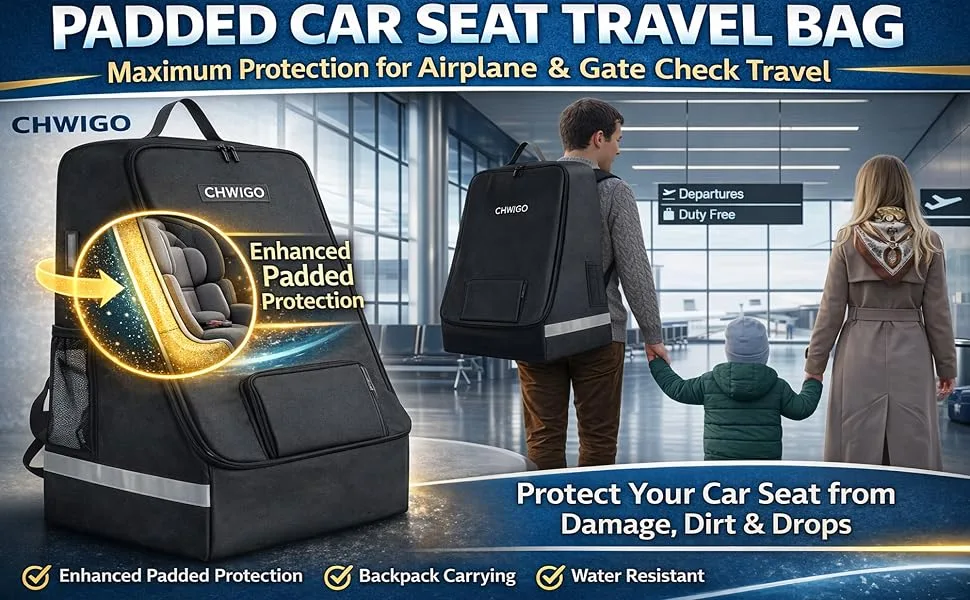
Image source: Bing (Web (fair-use with source credit))
Budget airlines operate differently. Spirit Airlines and Frontier Airlines build their business models around ancillary fees. They frequently treat baby gear just like any other piece of checked luggage.
If your child has a purchased seat, the airline might wave the fee. If your toddler is flying as a lap infant, you could face a $35 to $50 charge. Check your fare rules directly on the airline website.
Here is how the policies stack up side by side.
| Airline Type | Examples | Counts as Checked Bag? | Typical Fee |
|---|---|---|---|
| Major Legacy | Delta, United, American | No | Free |
| Low Cost | Southwest, JetBlue | No | Free |
| Ultra Low Cost | Spirit, Frontier | Usually Yes | $35 to $50+ |
International flights add another layer of complexity. Crossing borders means dealing with foreign aviation authorities and different baggage pools. Some global carriers give you a free allowance for baby gear.
Others count every single item against your weight limit.
Always pull up the specific policy for your route. Don't guess based on domestic travel habits. A quick look at your itinerary details prevents expensive surprises at the ticket counter.
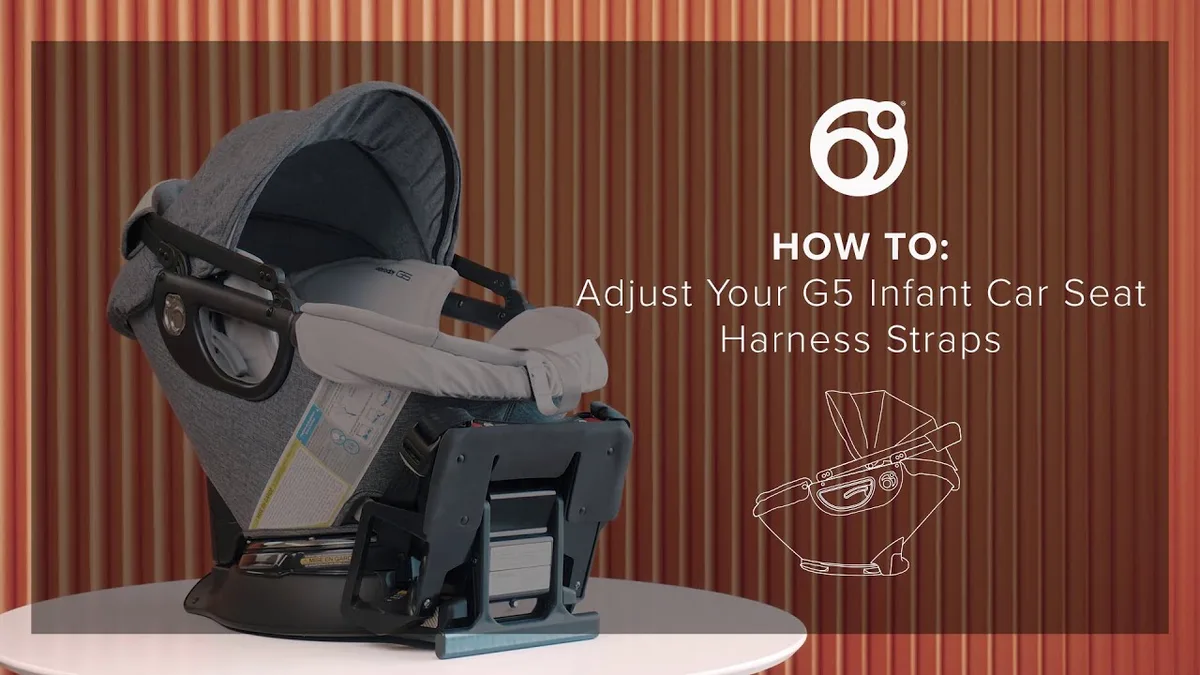
Choosing a rear facing model built for travel makes handling these logistics much easier when moving through busy international terminals.
Gate-Checking vs. Ticket Counter Drop-Off (And Why It Matters)
You have two choices when handing over your gear. You can drop it at the main ticket counter or carry it to the departure gate. This decision affects whether your seat survives the trip intact.
Ticket counter check-in means dropping the seat with your heavy suitcases. Your hands are free while you clear security. But that convenience comes with a real cost.
Checked bags travel through automated conveyor belts and sorting machines. They get tossed onto carts and stacked under heavy luggage. Car seats aren't designed to handle that kind of blunt force impact.
Gate-checking keeps your equipment out of the main baggage system. You carry it through the terminal and leave it on the jet bridge right before boarding. The ground crew loads it manually into the cargo hold.
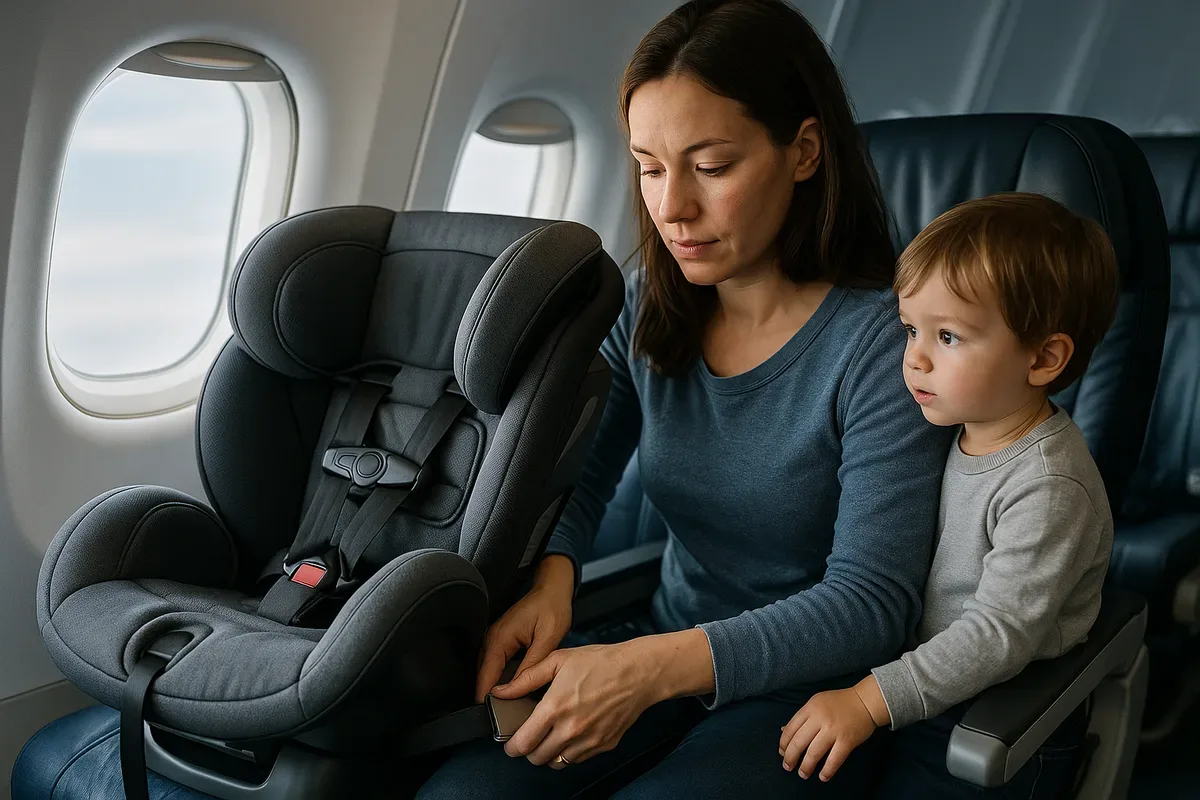
Image source: Bing (Web (fair-use with source credit))
This manual handling drastically reduces the risk of cracked plastic shells or torn harness straps. You pick it up on the arrival jet bridge or at the oversized baggage claim area.
Carrying a bulky seat through a crowded airport isn't easy. That's why preparation matters. A padded travel bag with backpack straps saves your shoulders.
A folding luggage cart lets you roll it instead of lifting it.
If you want the best protection, gate-check it every time. If you absolutely need your hands free for multiple kids, use the ticket counter. Just make sure it's packed inside heavy padding first.
Knowing when your child transitions out of an infant seat helps you plan exactly how much bulk you'll be hauling through the terminal.
How to Pack and Check Your Car Seat Without Breaking It
Airlines don't take liability for damaged child safety equipment. If your seat arrives cracked, you're buying a replacement out of pocket. Proper packing prevents this headache.
Start by tightening the harness straps all the way down. Tuck them deep inside the seat shell. Loose straps catch on conveyor belts, doors, and cargo nets.
A snagged strap can rip the entire harness system out of the frame.
Next, choose the right protective cover. Skip the thin plastic bags sold near the check-in desks. They keep off dust but offer zero shock absorption.
Invest in a dedicated padded travel bag. Look for one with thick walls and sturdy zippers. Backpack-style carrying straps make moving through the terminal significantly easier.
Before you seal the bag, take a few clear photos of the seat. Show the shell, the buckles, and the harness routing. If the airline damages it, you'll have proof of its pre-flight condition.
Here is the exact workflow we recommend for checking your gear safely.
- Tighten all harness straps fully.
- Tuck loose webbing inside the seat shell.
- Remove any aftermarket accessories or cup holders.
- Place the seat inside a padded travel bag.
- Zip the bag completely closed.
- Attach your identification tags clearly.
- Take timestamped photos for insurance records.
Strapping the bagged seat to a folding luggage cart changes everything. You can push it through TSA checkpoints without straining your back. Once you board, the cart folds flat and slides right into the overhead bin.
Keeping your gear clean before packing also helps. Removing crumbs and sticky spills prevents mold during transit. Taking a moment to wipe down the fabric properly ensures it's fresh and ready to use the second you land.
Using the Car Seat on the Plane Instead of Checking It
You don't actually have to check your car seat at all. If you buy a separate airplane ticket for your child, you can buckle them in right next to you. The FAA strongly recommends this practice for in-flight safety.
Using a child restraint system protects toddlers during unexpected turbulence. It also gives parents a break from holding a squirming kid for three hours. But your seat must meet specific requirements to fly.
Look closely at the side or back of your car seat. You need to find a specific manufacturer label. It must state that the restraint is certified for use in motor vehicles and aircraft.
Without that exact wording, flight attendants can ask you to stow the seat in the overhead bin. Aircraft seats are narrow. Your car seat must fit within the width of the airplane chair.
Most economy seats measure around 16 to 17 inches wide. If your car seat is wider than 16 inches, it might block the aisle or overlap into the neighboring seat. Measure the widest point of your base before heading to the airport.
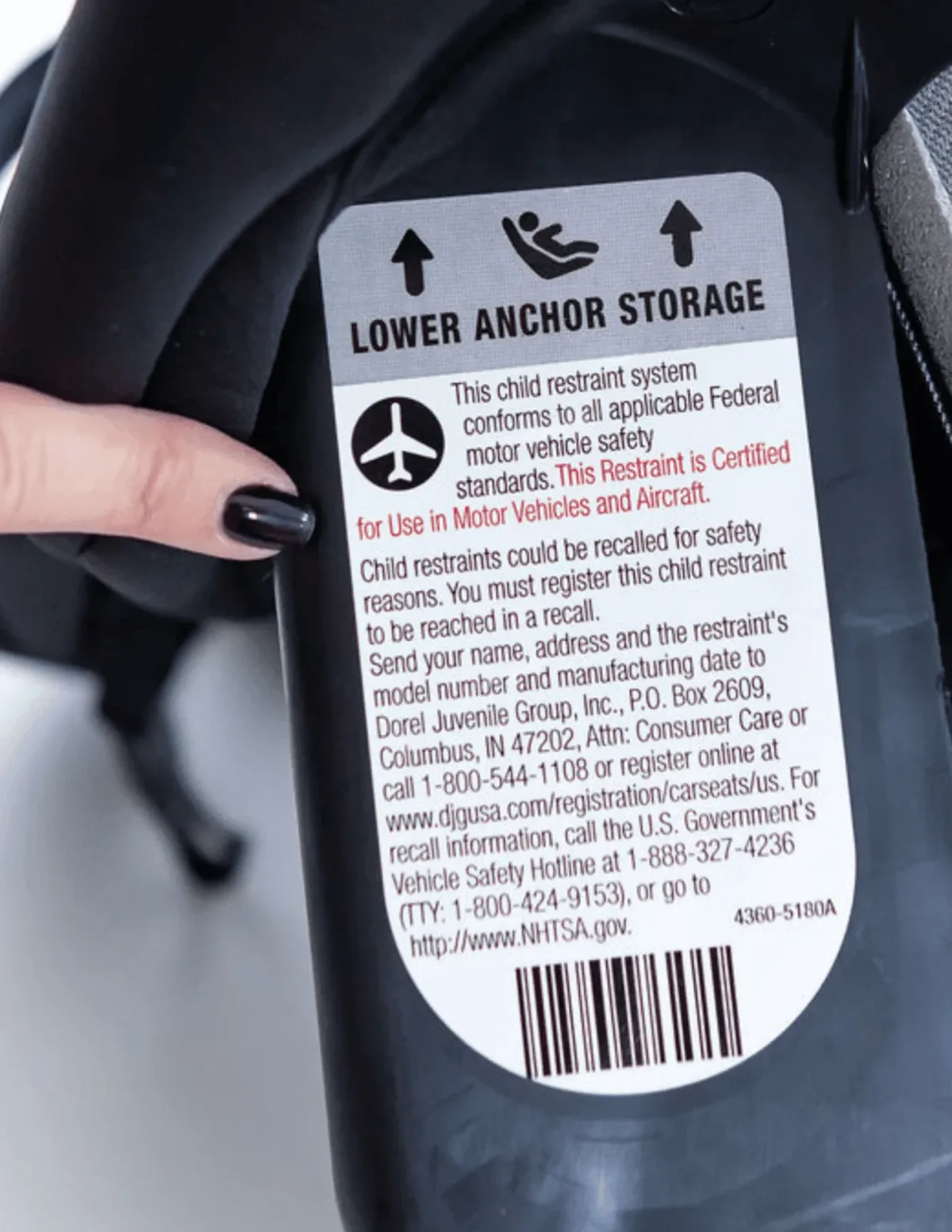
Image source: Web (Bing) / safeintheseat.com (Web image (fair-use with source credit))
Window seats are the only approved location for car seats on planes. You can't block the middle row or the aisle because those act as emergency evacuation routes. Book your seating assignments early to guarantee a window spot.
Flying with a CRS eliminates baggage fees entirely. It removes the risk of cargo hold damage. It also means you don't have to wait at oversized baggage claim after landing.
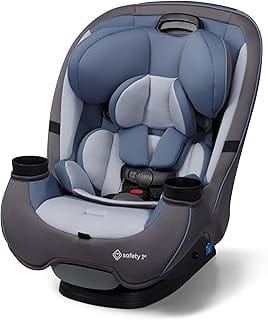
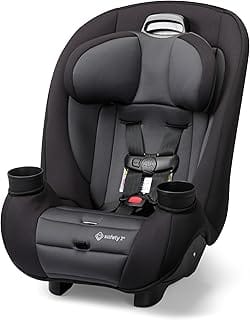
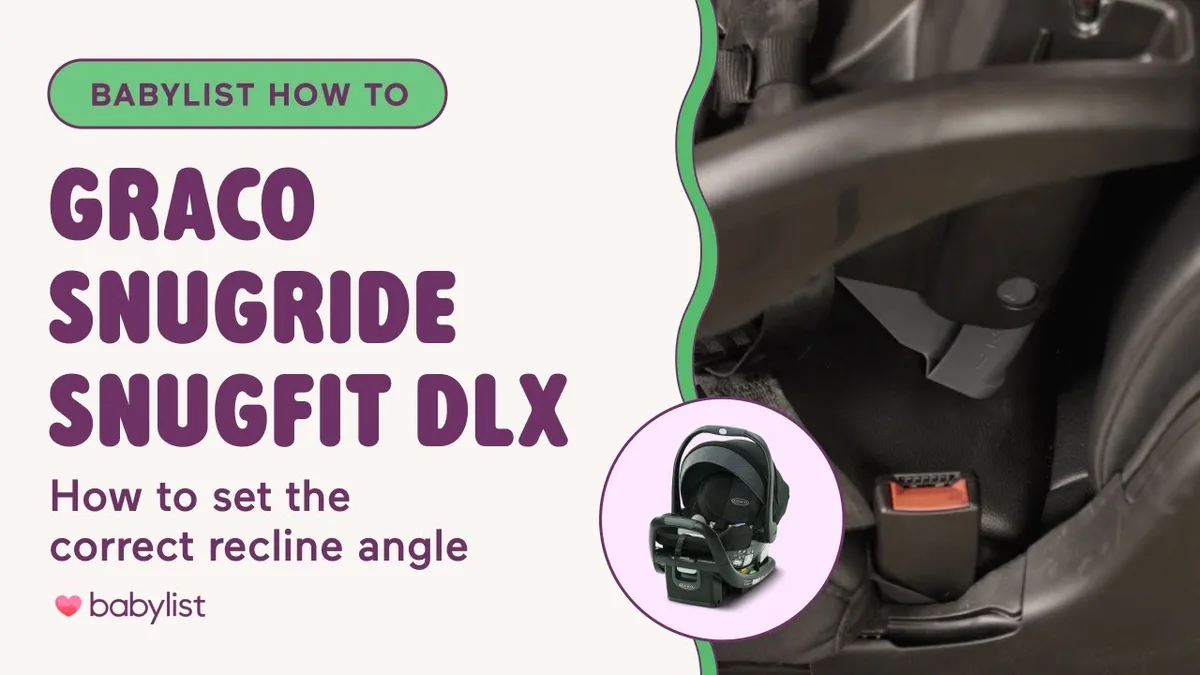
If your current seat is too wide for airplane cabins, you might need a slimmer option. Many parents look for convertible designs that fit tighter spaces specifically for air travel. Checking your gear's dimensions ahead of time guarantees a smooth boarding process.
Common Baggage Mistakes That Cost Parents Money
The biggest mistake parents make is assuming every airline treats baby gear the same way. Legacy carriers offer generous exemptions, but ultra low cost carriers do not. If you fly Spirit or Frontier without checking their specific rules, you will pay standard baggage fees.
Another common error involves how the seat gets packed. Tossing a bare car seat onto the ticket counter belt invites damage. Automated sorting machines are rough on hard plastic shells and exposed buckles.
Failing to tuck the harness straps inside the shell causes serious problems. Loose webbing catches on conveyor belts and cargo doors constantly. A ripped harness means the seat fails safety standards and requires immediate replacement.
Many travelers also forget to document their gear before flying. If your seat arrives cracked, airlines usually deny liability for damaged items. Without timestamped photos showing its pre-flight condition, you have zero leverage for a claim.
Finally, people often misunderstand lap infant allowances. Just because your child doesn't have a purchased airplane seat doesn't mean your gear flies free everywhere. Some budget airlines still charge you to check the restraint system.
Avoiding these errors saves real money. Knowing when your child outgrows their current model helps you decide if buying a cheaper travel-specific seat makes more sense than risking your expensive daily driver in the cargo hold. Double-check your fare class, pad the shell, hide the straps, and take pictures.
Are strollers treated the same way as car seats?
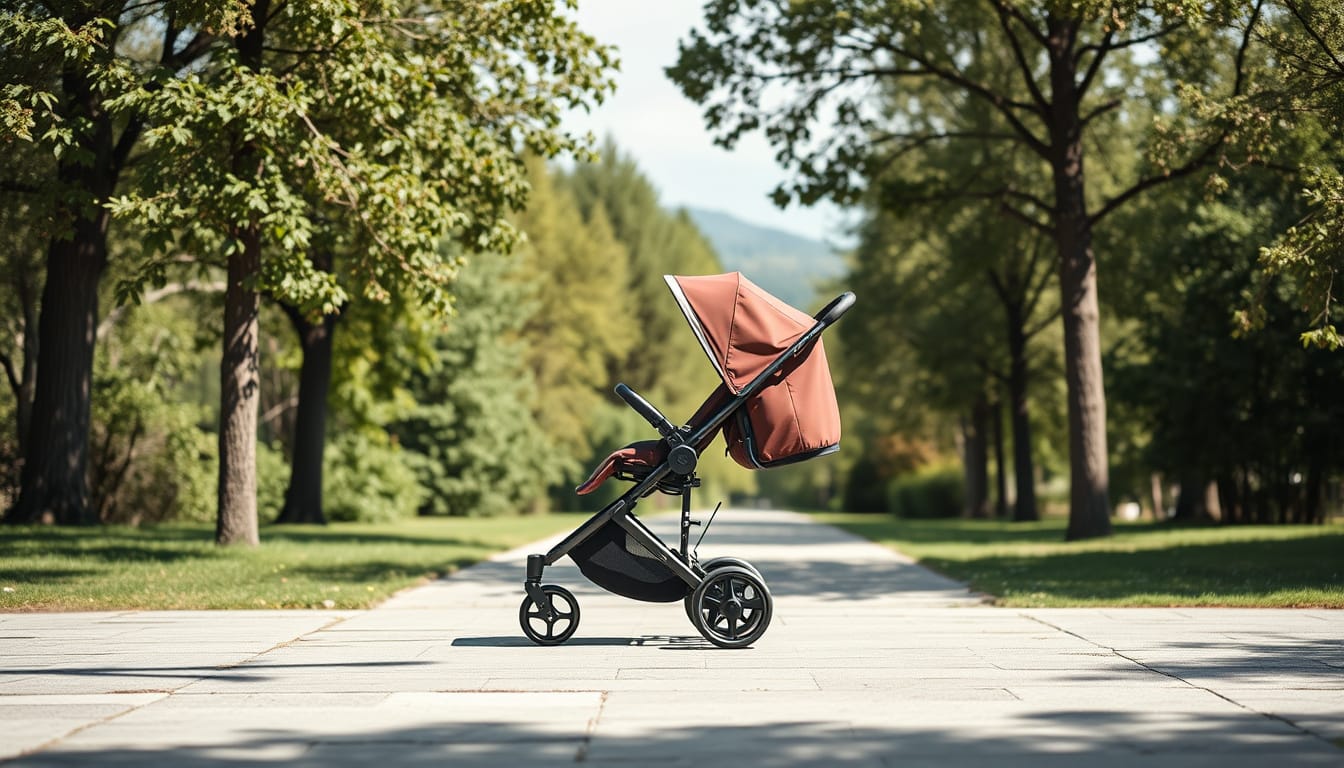
Strollers generally follow the exact same baggage exemption rules as car seats on major airlines. You can typically check one stroller and one car seat per child for free. Budget airlines might bundle them together into a single baggage allowance, so verify your specific carrier's policy.
What happens if my car seat gets damaged during the flight?
Airlines rarely accept financial liability for damaged checked baby gear. If your seat arrives with a cracked shell or broken buckle, it is no longer safe for vehicle use. Document the damage immediately at the airport and file a report with the baggage service office.
Frequently Asked Questions
Does a car seat count toward my weight limit internationally?
International weight limits vary wildly between global carriers. Some airlines exempt child restraint systems entirely from your checked baggage weight pool. Others count every pound of baby gear toward your total allowance.
Always check your specific international itinerary details before packing.
Can I bring a car seat and a stroller for free?
Major US airlines typically allow one stroller and one car seat per child free of charge. These items don't count against your standard checked bag limit. Ultra low cost carriers often restrict this perk, sometimes charging standard fees for both items.
Do I need a bag to check my car seat?
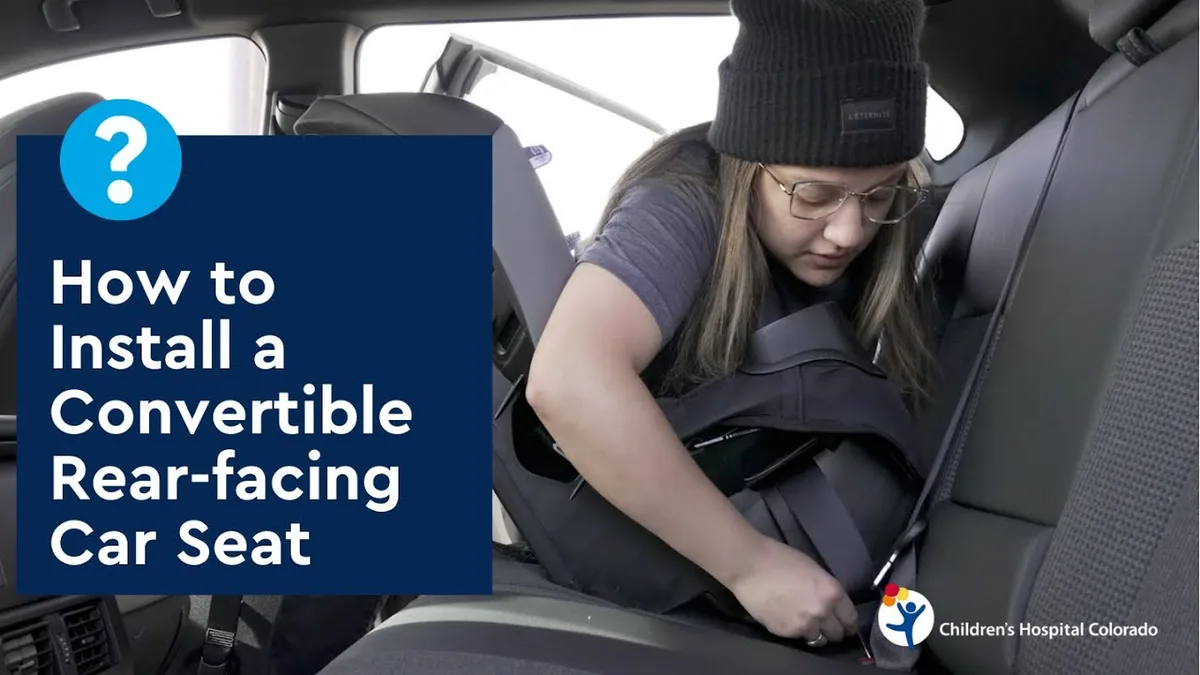
You aren't legally required to use a bag, but skipping one is risky. A padded travel bag protects the structural shell from cargo hold impacts and conveyor belts. It also keeps grease and dirt away from the harness straps and fabric covers.
Is it safer to gate check or use the seat on the plane?
Using the seat in a purchased airplane chair provides the highest level of safety. The FAA recommends approved child restraint systems to protect toddlers during unexpected turbulence. Gate-checking is your next best option to prevent cargo handling damage.
Will a heavy convertible seat fit through airport security?
Most convertible seats fit through standard TSA x-ray machines if positioned correctly. If your seat is too wide or heavy, agents will manually swab it for explosive residue instead. Give yourself an extra ten minutes at the checkpoint just in case.