
If you are asking can infants wear coats in car seats, the short answer is no. Thick winter coats create dangerous slack under the harness straps. That slack can lead to serious injury during a sudden stop or crash.
You need a safer way to keep your baby warm.
Per Federal Motor Vehicle Safety Standard 213 testing, a puffy coat compresses violently on impact. This compression leaves two to four inches of hidden slack in the webbing. The harness fails to hold the child's skeletal structure properly.
We will walk through exactly why this happens and how to dress your infant safely as of 2026.
can infants wear coats in car seats
Infants should not wear thick coats in car seats. Puffy material creates dangerous slack during a crash. Harness straps must sit flush against the body.
Use thin layers instead. Place blankets over the buckled harness.
The Short Answer: Why Puffy Coats and Car Seats Don't Mix
Thick winter clothing compromises the five point harness system in any rear facing infant car seat. The problem comes down to compressible bulk. Materials like down, synthetic fill, and thick fleece trap air between the fibers.
When you tighten the harness over a puffy snowsuit, you are only squeezing that trapped air. You are not securing your baby's body.
During a collision, crash forces instantly crush that air out. The coat flattens completely. Suddenly, the shoulder straps and crotch buckle have extra room to move.
Your infant shifts forward inside the seat shell. This movement is called forward excursion, and it defeats the energy absorbing foam built into the seat.
Manufacturer specifications confirm that harness webbing tension must be exact. The chest clip needs to sit at armpit level to route the straps correctly across the clavicle. If a bulky bunting bag pushes the straps outward, they slip off the shoulders entirely.
Our research shows this is one of the most common critical errors caregivers make in cold weather.
This applies to every type of seat. Whether you use a dedicated rear facing model or check infant seating options designed for smaller babies, the physics remain identical. Thick coats introduce slack.
Slack introduces risk. Understanding how long babies stay in these early seats means dealing with multiple winter seasons safely.
How a Winter Coat Creates 2 to 4 Inches of Deadly Harness Slack
A heavy winter coat acts like an airbag that deflates at the worst possible moment. To see why, look at how a five point harness works. The webbing threads over the shoulders, buckles at the crotch, and pulls tight via an adjuster strap near the feet.
It relies on direct contact with the child's frame.
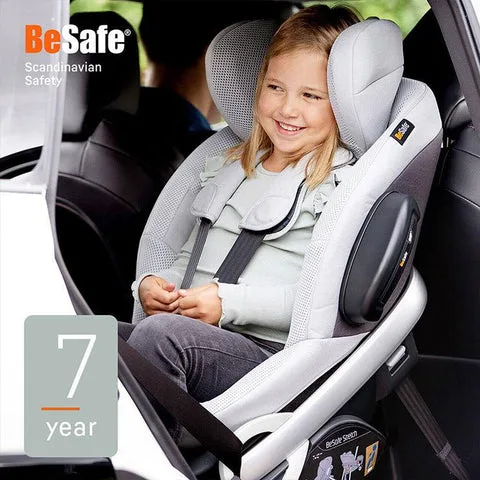
Image source: Web (Bing) / naturalbabyshower.co.uk (Web image (fair-use with source credit))
When you add a thick puffer jacket, you add compressible bulk. You pull the harness tight until it feels snug. But you only compressed the outer nylon shell and the inner feathers.
The webbing never actually touched the collarbone.
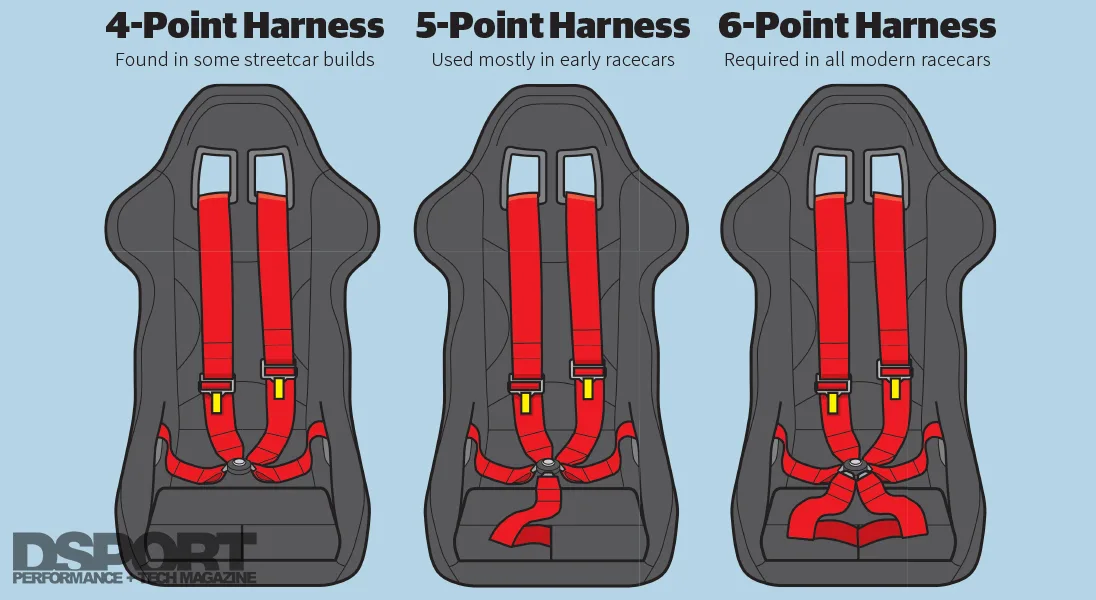
Image source: Web (Bing) / gs.teachingandlearningguru.com (Web image (fair-use with source credit))
In crash sled testing, sudden deceleration generates massive force. That force instantly squeezes the remaining air out of the coat. The fabric collapses flat.
Aggregate user reviews and safety technician reports show this creates two to four inches of unexpected slack. Four inches is enough space for an infant to slide upward.
This upward sliding motion is known as submarining. The baby moves out from under the lap portion of the harness. Their head travels far beyond the safe limits set by FMVSS 213 standards.
The National Highway Traffic Safety Administration warns against bulky clothing precisely because of this violent compression effect.
Even if you think you pulled the straps incredibly tight, the coat will still compress. You cannot manually squeeze out all the air before a crash. The dynamic forces involved are simply too high.
If you want to understand proper strap positioning, start by removing the coat first. Knowing when your baby exceeds their current seat limits also helps ensure the harness geometry stays correct.
The Coat Compression Test: How to Check Your Infant's Gear Right Now
You do not need to guess if a jacket is too thick. You can run the coat compression test right in your driveway. This simple process takes about thirty seconds and proves exactly how much slack a garment hides.
Here is how to perform it step by step:
- Dress your baby in the winter coat you plan to use.
- Place them in the rear facing infant car seat.
- Buckle the five point harness and pull the adjuster strap tight.
- Perform the pinch test at the collarbone. Grab the webbing horizontally. If you cannot pinch a fold, it feels secure.
- Unbuckle the chest clip and crotch buckle. Do not touch the adjuster strap. Leave the harness length exactly as it is.
- Take your baby out of the seat and remove the coat.
- Put your baby back in the seat without the coat.
- Buckle the harness again using the exact same strap length.
Now try the pinch test again. If you can easily pinch a horizontal fold of webbing, that coat is unsafe. The amount of slack you can pinch equals the distance your baby would travel forward in a crash.
If the coat fails this test, leave it off during the ride. You might wonder if changing seat types solves the issue. It does not.
The physics of compressible bulk apply to every single harness system on the market. Always rely on the pinch test rather than how tight the straps feel over fabric.
Safe Winter Alternatives That Actually Keep Your Baby Warm
Removing the puffy coat does not mean sending your baby out into the freezing cold unprotected. You just need to change the order of operations. Warmth goes over the harness, never under it.
Here are the safest methods we found during our research:
- Thin thermal base layers: Start with a snug cotton or merino wool bodysuit. Add a thin fleece jacket. Fleece provides excellent warmth without trapping large air pockets.
- The backward coat trick: Buckle the baby in wearing only their thin layers. Once the harness is tight and the chest clip is set, take their puffy winter coat and lay it over them backward like a blanket.
- Shower cap style car seat covers: These elastic covers stretch over the outside rim of the infant carrier. They block wind and trap heat inside the seat shell. Because they do not go behind the baby's back or under the straps, they are completely safe.
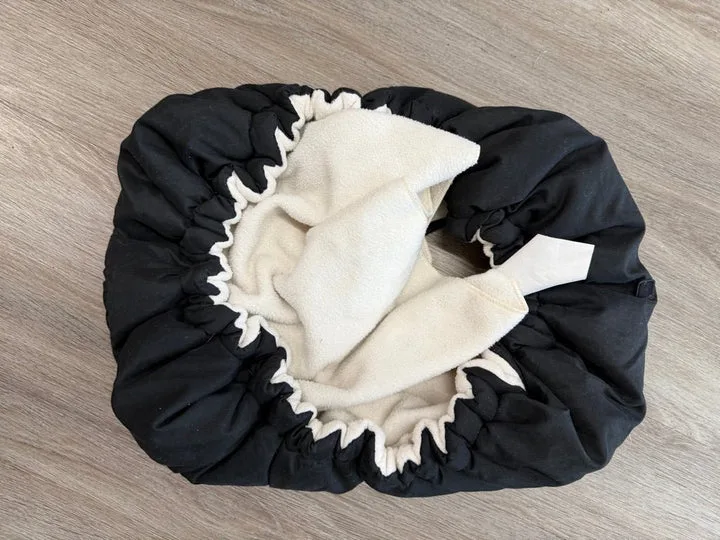
Image source: Web (Bing) / nestandsprout.ca (Web image (fair-use with source credit))
- Poncho style covers: A fleece poncho drapes over the baby after they are buckled. You can lift the front flap to access the crotch buckle without disturbing the shoulder straps.
Avoid aftermarket bundle bags that require threading the harness through holes in the fabric. Unless the specific car seat manufacturer tested and approved that exact accessory, it voids your warranty and alters the crash dynamics. Stick to blankets tucked around the sides after buckling.
| Method | Warmth Level | Safety Rating | Ease of Use |
|---|---|---|---|
| Thin fleece jacket | Moderate | Excellent | Very easy |
| Backward puffy coat | High | Excellent | Easy |
| Shower cap cover | High | Excellent | Very easy |
| Fleece poncho | High | Excellent | Moderate |
| Aftermarket bundle bag | High | Poor | Difficult |
Choosing a vehicle that fits your gear easily makes loading a bundled infant much less stressful. For longer trips where cabin temperature fluctuates, layering remains your best strategy.
Common Cold-Weather Car Seat Mistakes Even Careful Parents Make
Parents rarely make these mistakes out of negligence. Cold weather makes everything harder. You are rushing to get a crying baby out of the freezing wind.
That urgency leads to shortcuts that compromise the five point harness.
One major error is leaving the harness straps adjusted for summer clothing. Babies wear thicker pants and long sleeves in winter. Even thin fleece adds slight bulk.
If you do not loosen the straps, put the baby in, and retighten them fully, the crotch buckle sits too low. This misalignment changes how the webbing distributes crash forces.
Another frequent mistake involves the chest clip placement. Thick collars or hoods push the retainer clip down toward the stomach. It must sit exactly at armpit level.
If it rests on the soft abdomen, the shoulder straps can spread apart during sudden deceleration. The baby's head then travels forward unchecked.
Using unapproved accessories is equally risky. Those cozy looking sleeping bags with harness slots sold online are rarely crash tested with your specific seat model. The American Academy of Pediatrics advises against any product that inserts padding between the child and the seat shell.
Finally, overheating is a hidden danger. Cars warm up quickly. If your baby wears a thermal layer, a fleece suit, and has a blanket tucked in, they can sweat profusely.
Overheated infants become lethargic. Monitor their neck and back for dampness once the cabin heater kicks in. Adjusting your approach when transitioning seat directions requires revisiting these winter habits.
Frequently Asked Questions
Can my baby wear a fleece jacket in the car seat?
Yes, thin fleece jackets are generally safe for car seats. Fleece traps heat without creating thick air pockets like down or synthetic puffer coats. Always run the coat compression test to verify the harness stays tight against your baby's collarbone.
If you can pinch excess webbing, the fleece is too bulky.
Are bundle bags safe for infant car seats?
Most aftermarket bundle bags are unsafe because they add untested padding behind the baby. Only use inserts specifically designed and crash tested by your exact car seat manufacturer. Generic bags alter how the energy absorbing foam performs during sudden deceleration.
Stick to blankets placed over the buckled harness instead.
How do I keep my newborn warm walking to the car?
Carry your baby to the vehicle wearing their winter coat. Once inside, remove the heavy outerwear before buckling them into the five point harness. Then drape the coat backward over their chest or tuck a warm blanket around their sides.
This keeps them insulated without introducing dangerous slack.
Does the chest clip position matter with winter clothes?
The chest clip must always sit exactly at armpit level regardless of clothing thickness. Bulky collars or hoods often push the retainer clip down toward the stomach. If it rests too low, the shoulder straps can slide off during a crash.
Adjust the clip after removing any thick outer layers.
When should I adjust the harness straps for winter?
Adjust the straps every time your baby wears different clothing layers. Winter outfits change the distance between the child's body and the webbing. Loosen the straps, secure the baby, and pull the adjuster strap until the pinch test passes.
Never assume summer strap tension works for long sleeves and thermal bodysuits.