
Your Fellow kettle is slowing down. Maybe the water doesn’t get as hot as it used to, or you’ve spotted chalky white flakes floating in your cup. That’s limescale, and if you’re wondering how to descale Fellow Kettle models properly, you’re in the right place.
The good news is that descaling is a straightforward process that takes about 20 minutes. Manufacturer specifications indicate that regular descaling every one to three months keeps the heating element efficient and your coffee tasting clean. Let’s walk through exactly what you need to do, what to avoid, and how to keep your kettle in top shape as of 2026.
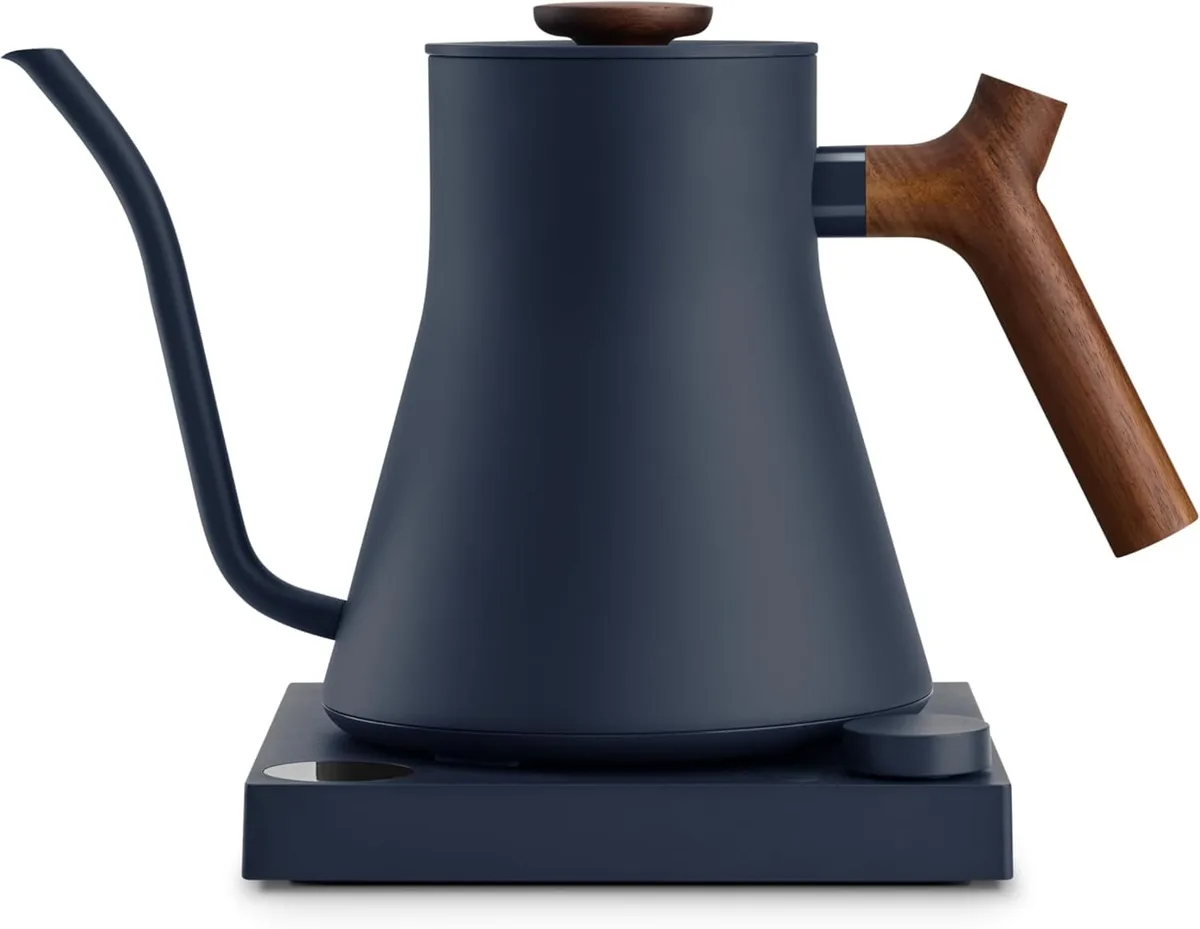
Image source: Bing (Web (fair-use with source credit))
Quick Answer
Mix a descaling solution of white vinegar or citric acid with water. Fill your Fellow kettle to the max line. Boil the solution and let it sit for 15 to 20 minutes.
Drain, rinse thoroughly, then boil fresh water twice. That’s it.
Why Your Fellow Kettle Needs Descaling (and the Sneaky Signs It Does)
Limescale forms when hard water evaporates and leaves behind calcium and magnesium deposits. Those minerals cling to your kettle’s stainless steel interior and heating element. Over time, that crust acts like an insulator, making your kettle work harder and boil slower than it should.
If you’ve been using your kettle for a few months without cleaning it, you’ve probably seen the signs. A white, chalky film on the inside walls. Slower boiling times.
Your kettle switching off before the water reaches a full boil. Sometimes, a faint metallic or mineral taste in your coffee.
Aggregate user feedback across coffee communities reports a few common patterns. The most frequent complaint is that the kettle takes noticeably longer to boil. Some users notice their temperature readings don’t match the actual water temperature.
That’s the scale insulating the heating element and throwing off the sensors.
Water hardness plays a huge role here. If you live in a hard water area, you’ll need to descale more often. If your water is soft, you can stretch the intervals.
A simple home test kit tells you exactly where you stand. Local water utility reports also list hardness levels, so check yours online.
The bottom line is simple. Scale buildup doesn’t just affect performance. It can shorten your kettle’s lifespan and change the flavor profile of your carefully brewed pour-over.
If you’re curious about how different models handle this, our guide on electric gooseneck kettles covers the maintenance quirks of several popular options.
Before You Start: What You’ll Need and the Safety Basics
Before you begin, gather your supplies. You don’t need anything fancy. Most of these items are already in your kitchen.
| Item | Purpose |
|---|---|
| White vinegar or citric acid powder | The descaling agent |
| Fresh water | For mixing and rinsing |
| Soft cloth or sponge | For wiping the exterior |
| Kettle brush (optional) | For stubborn scale spots |
| Measuring cup | To get ratios right |
First, unplug your kettle. Never clean it while it’s connected to the base or plugged into the wall. Water and electricity don’t mix, and the smart base on Fellow models is especially sensitive to moisture.
Let the kettle cool completely before handling. Trying to descale a hot kettle risks burns and can cause the solution to splatter. Fifteen minutes after unplugging is usually enough time.
Check the max fill line on the inside of your kettle. You’ll need this as your guide when mixing the solution. Overfilling can cause boiling water and solution to spill out through the spout.
Finally, make sure you’re working with food-safe descaling agents. White vinegar and citric acid are both naturally food-safe. If you opt for a commercial descaling product, double-check that it’s approved for stainless steel electric kettles.
Some aggressive cleaners can damage the interior coating.
If you’re unsure about your kettle’s specific care requirements, our detailed breakdown of what makes an electric kettle work includes material and maintenance insights that might help.
The Best Descaling Solutions to Use (and What to Skip)
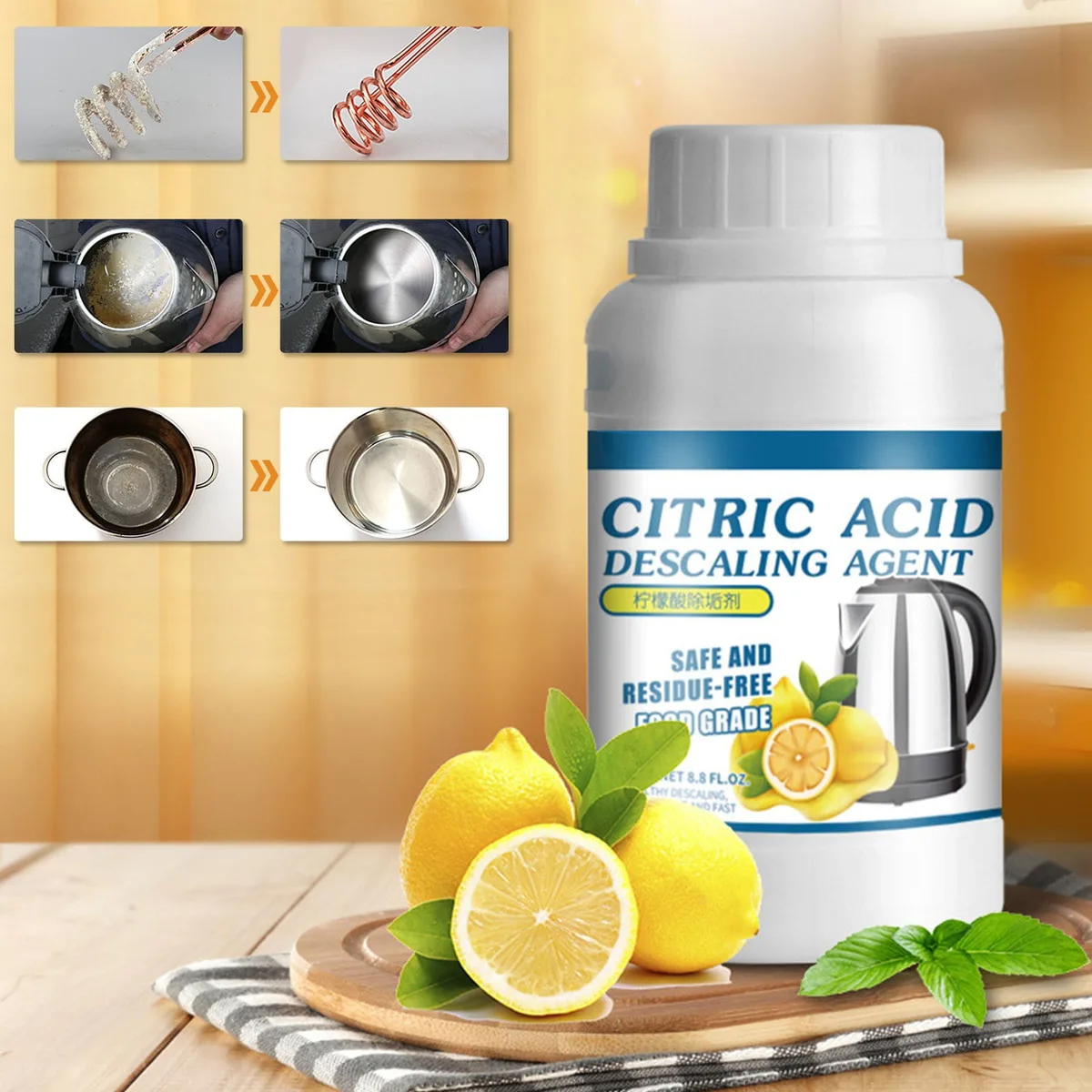
Image source: Bing (Web (fair-use with source credit))
You’ve got three solid options for descaling your Fellow kettle. Each has its strengths and a few trade-offs worth knowing about.
White Vinegar
The classic kitchen solution. White vinegar contains acetic acid, which dissolves calcium carbonate effectively. It’s cheap, readily available, and food-safe.
Use a ratio of one part vinegar to two parts water. Fill to the max line and boil. The downside?
Vinegar has a strong smell that can linger if you don’t rinse thoroughly. Plan for at least two fresh-water boils afterward to remove the scent.
Citric Acid Powder
Citric acid works faster than vinegar and leaves no residual odor. You’ll find it in most grocery stores near canning supplies or online. It’s also the active ingredient in many commercial descaling products.
Use one to two tablespoons of citric acid powder per liter of water. Dissolve it thoroughly before boiling. This option is particularly effective for heavy scale buildup because it chelates minerals more aggressively than acetic acid.
Commercial Descaling Solutions
Commercial descalers are formulated specifically for coffee equipment. They often include anti-corrosion agents that protect your kettle’s interior. Brands like DEZUR and Urnex are popular among coffee enthusiasts.
These products usually come with precise dosing instructions. Follow them exactly. They’re more expensive than DIY solutions, but they’re also more foolproof.
[Bottle of white vinegar beside a small bowl of citric acid powder]
AVOID lemon juice. It contains sugars that leave a sticky residue inside your kettle. Avoid bleach, ammonia, or any abrasive cleaner.
These can damage the stainless steel surface and leave harmful residues. And never use a scrub brush or steel wool. The abrasive action scratches the interior, creating tiny grooves where scale and bacteria hide.
Manufacturer guidance for Fellow kettles specifically warns against harsh chemicals. The 304 stainless steel interior is durable, but it’s not invincible. Stick with the mild acids listed above and your kettle will last for years.
| Solution | Ratio | Smell | Effectiveness | Cost per Use |
|---|---|---|---|---|
| White vinegar | 1:2 with water | Strong, lingers | Good | $0.10 |
| Citric acid | 1-2 tbsp per liter | None | Excellent | $0.25 |
| Commercial descaler | Follow package | Mild | Excellent | $1.00+ |
If you’re comparing kettles based on maintenance needs, our roundup of top-rated kettle options for pour-over coffee includes notes on which models tolerate descaling best.
Step-by-Step Guide: How to Descale Your Fellow Kettle
This is the part you came for. Follow these steps in order and your Fellow kettle will be scale-free in about 20 minutes.
Step 1: Prepare the Solution
Fill your kettle to the max line with fresh water. Add your chosen descaling agent according to the ratios above. If you’re using citric acid, stir it with a long spoon to dissolve the powder completely.
Step 2: Boil the Solution
Plug in your kettle and bring the solution to a boil. Let it run through a full boil cycle. Watch the kettle carefully.
The solution can foam slightly, and you don’t want it spilling out the spout.
Step 3: Let It Soak
Once the kettle finishes boiling, unplug it. Let the hot solution sit inside for 15 to 20 minutes. This soak time lets the acid work on the scale, loosening its grip on the stainless steel.
For heavy buildup, extend the soak to 30 minutes. For light scale, 10 minutes is usually enough.
| Build-up Level | Soak Time |
|---|---|
| Light film | 10 minutes |
| Moderate crust | 20 minutes |
| Heavy deposits | 30 minutes |
Step 4: Drain and Inspect
Carefully pour out the solution. At this point, you should see chunks of white scale floating in the liquid. That’s the limescale dissolving.
Inspect the interior. If you still see scale clinging to the walls or around the heating element, repeat the process with a fresh solution. Don’t scrub at this stage.
The acid will do the work.
Step 5: Rinse Thoroughly
This step is non-negotiable. Fill the kettle with fresh water and boil it. Dump the water completely.
Repeat this process at least twice.
The goal is to remove all traces of the acid. Any leftover vinegar will ruin your next cup of coffee. For your final rinse, fill the kettle, boil, and taste the water before brewing.
It should taste completely neutral.
A quick word of caution. Some users skip the final rinse and end up with vinegar-flavored coffee for a week. Don’t be that person.
The extra ten minutes of rinsing is worth it.
After rinsing, wipe down the exterior with a damp cloth. Pay attention to the spout and lid areas where mineral deposits often hide. If you want to keep your kettle looking pristine, our list of plastic-free electric kettle options includes models with particularly easy-to-clean designs.
Step 6: Dry and Store
Once you’ve confirmed there’s no lingering smell or taste, dry the kettle thoroughly. Leave the lid open for a few hours to let the interior air out completely. This prevents moisture from sitting inside and reducing new scale formation.
What Happens If You Don’t Descale?
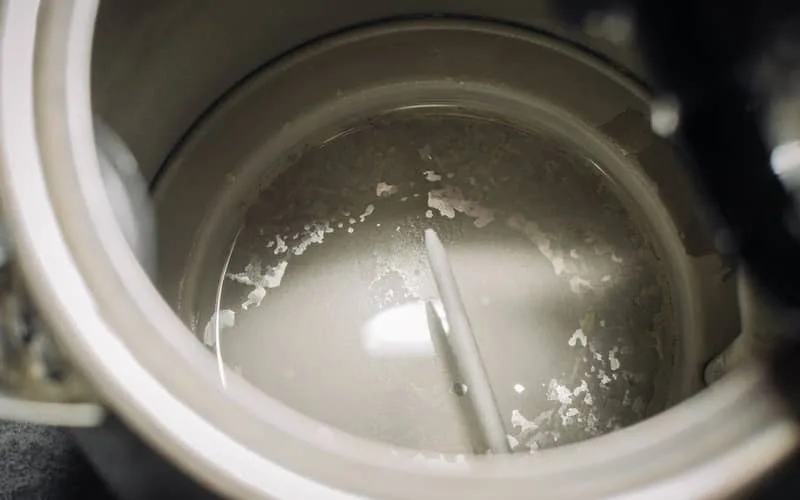
Image source: Bing (Web (fair-use with source credit))
Scale buildup won’t break your kettle overnight, but it will degrade performance gradually. The heating element has to work harder to transfer heat through the mineral layer. That means longer boil times and higher energy consumption over time.
Let’s put some numbers on it. A clean kettle boils water in about three to four minutes. A kettle with moderate scale buildup can take five or six minutes.
That extra time isn’t just annoying. It’s wasted energy.
Over months, the thermal stress from uneven heating can damage the heating element. Fellow kettles have a 1200W heating element. When scale insulates it, the element runs hotter in some spots than others.
That uneven temperature distribution leads to premature wear and, eventually, failure.
[Close-up photo of chalky white limescale crust on the interior wall and heating element of a kettle]
Coffee quality suffers too. Scale particles can flake off and end up in your cup. They don’t dissolve completely and can add a chalky, mineral-heavy taste to your brew.
For pour-over enthusiasts who measure everything, that’s a dealbreaker. If you’re interested in brewing techniques that maximize flavor, our guide on making coffee in a kettle covers the fundamentals.
The most practical way to avoid this is prevention. Use filtered water to reduce mineral content. Empty your kettle after each use instead of leaving water sitting inside.
And stick to a regular descaling schedule based on your local water hardness.
If you live in a hard water area, descale monthly. If you have soft water, every three months is fine. This isn’t just maintenance.
It’s protecting a piece of equipment that, with proper care, will last you for years.
The Wrong Way to Clean: 4 Common Mistakes to Avoid
Even with the right intentions, it’s easy to make mistakes. Here are the most common ones we see in user reports.
Using Abrasive Tools
Steel wool, scouring pads, and stiff brushes will scratch your kettle’s stainless steel interior. Those scratches become breeding grounds for scale and bacteria. Use a soft cloth or a non-abrasive sponge instead.
For stubborn spots, let the acid soak longer.
Forgetting the Final Rinse Cycle
This one is surprisingly common. People neutralize the scale, dump the solution, and immediately brew coffee. The result is a cup that tastes like vinegar.
Always do two full fresh-water boils after descaling. Test the water before brewing.
Descaling Too Frequently
Yes, this is possible. Descaling every week strips the interior of its natural patina and can wear down the heating element. Follow the schedule based on your water hardness.
Monthly is the maximum frequency you should need.
Using the Wrong Kind of Vinegar
Apple cider vinegar, red wine vinegar, and balsamic vinegar all contain sugars and colors that leave residues. Only white distilled vinegar should go inside your kettle. It’s pure acetic acid and water.
Nothing else. Our guide on kettles without plastic interiors has more detail on materials that are safe for all cleaning methods.
Beyond these four, one more tip. Don’t submerge the entire kettle in water. The base is electronic and water damage will void your warranty.
Clean the exterior with a damp cloth, not a sink full of water.
How to Keep Your Kettle Cleaner for Longer
Prevention beats correction. With a few habits, you can stretch the time between descaling sessions significantly.
Start With Filtered Water
Tap water is the main source of limescale. A simple pitcher filter removes most calcium and magnesium before they hit your kettle. Reverse osmosis systems are even more effective.
For coffee enthusiasts who care about flavor, filtered water is a double win.
Empty After Every Use
Leaving water to sit in the kettle overnight gives minerals time to settle and bond to the surface. Make it a habit to pour out any leftover water after you finish brewing. This simple step cuts scale formation dramatically.
Use the Keep Warm Feature Wisely
Fellow kettles have a keep-warm function. If you use it, the water stays hot for extended periods. That constant heating concentrates minerals faster.
Use keep-warm only when you need it, and empty the kettle afterward.
Wipe the Interior Occasionally
Once a week, give the inside a quick wipe with a damp paper towel. This removes the invisible film that forms before visible scale appears. It takes ten seconds and keeps your kettle looking new.
For specific timing and heating patterns across different models, our guide on kettle boiling times has useful comparisons.
Know Your Water Hardness
Pick up an inexpensive water hardness test kit. They cost about ten dollars and tell you exactly where you stand. If your water is hard, commit to a monthly schedule.
If it’s soft, you can relax to every three months.
The Financial Angle: Is It Cheaper to Descale or Replace My Kettle?
Let’s talk numbers because they matter. A Fellow Stagg EKG retails for around $165. The EKG Pro runs closer to $195.
These are premium kettles, and replacing one isn’t a casual expense.
Now, descaling supplies. A gallon of white vinegar costs about $3. A container of citric acid costs $5 to $8 and lasts for dozens of cleanings.
Even commercial descalers at $10 to $15 per bottle are far cheaper than a new kettle.
Here’s the real math. If you descale monthly, your annual cost is somewhere between $12 and $36, depending on the solution you choose. A kettle that fails from neglect requires a $165 to $195 replacement.
You can descale for over a decade on what one replacement would cost.
There’s also an energy angle. A scaled-up kettle boils slower and uses more electricity. Over a year, that waste can add up to a few dollars.
It’s not huge, but it reinforces the case for regular cleaning.
Regular descaling isn’t just cheaper. It maintains your kettle’s resale value. If you ever decide to upgrade, a scale-free kettle sells for significantly more on the used market.
Our comparison of top kettle brands for French press includes longevity data that supports the maintenance-first approach.
Frequently Asked Questions
Can I use lemon juice instead of vinegar?
Technically, yes. Lemon juice contains citric acid, which works as a descaler. However, lemon juice also contains natural sugars and oils.
These leave a sticky residue inside your kettle that’s hard to rinse away completely. If you’re in a pinch, use it once. For regular maintenance, stick with white vinegar or pure citric acid powder.
Is it safe to use a commercial descaler in my Fellow kettle?
Yes, as long as the product is labeled food-safe and suitable for stainless steel. Check the label for compatibility with electric kettles. Follow the manufacturer’s dosing instructions exactly.
Commercial descalers are formulated to be safe for coffee equipment and are actually the easiest option for beginners.
How do I clean the outside of my Fellow kettle?
Unplug the kettle first. Wipe the exterior with a damp, soft cloth. For smudges and fingerprints, a drop of mild dish soap on the cloth works well.
Avoid abrasive cleaners and never submerge the kettle or its base in water. The brushed stainless steel finish is durable but easily scratched by harsh scrubbers.
Why does my kettle still smell like vinegar after descaling?
The most likely cause is an incomplete rinse cycle. You need at least two full boils with fresh water to flush out all the acetic acid. If the smell persists, try adding a quarter cup of fresh lemon juice to a full kettle of water, boil it, and let it sit for ten minutes.
Then rinse again with fresh water.
How often should I descale my Fellow kettle?
It depends on your water hardness. With hard water, descale monthly. With soft water, every two to three months is sufficient.
Watch for visible scale, slower boiling, or unusual noises from the heating element. These are your cues that a cleaning is overdue.
The Bottom Line: A Simple Maintenance Habit That Pays Off
Descaling your Fellow kettle isn’t complicated. It takes about twenty minutes once a month. The payoff is consistent performance, better-tasting coffee, and a kettle that lasts for years instead of months.
The process is simple. Mix a food-safe acid with water. Boil and soak.
Rinse thoroughly. That’s the whole workflow. Whether you choose vinegar, citric acid, or a commercial descaler depends on your budget and tolerance for lingering smells.
Citric acid is our recommendation for the best balance of effectiveness and convenience.
Neglecting scale leads to slower boil times, wasted energy, and eventually, a dead heating element. None of that is a pleasant surprise. A little preventive care avoids all of it.
So the next time you notice that chalky white film inside your kettle, don’t ignore it. Spend the twenty minutes. Your kettle, your coffee, and your wallet will thank you.