
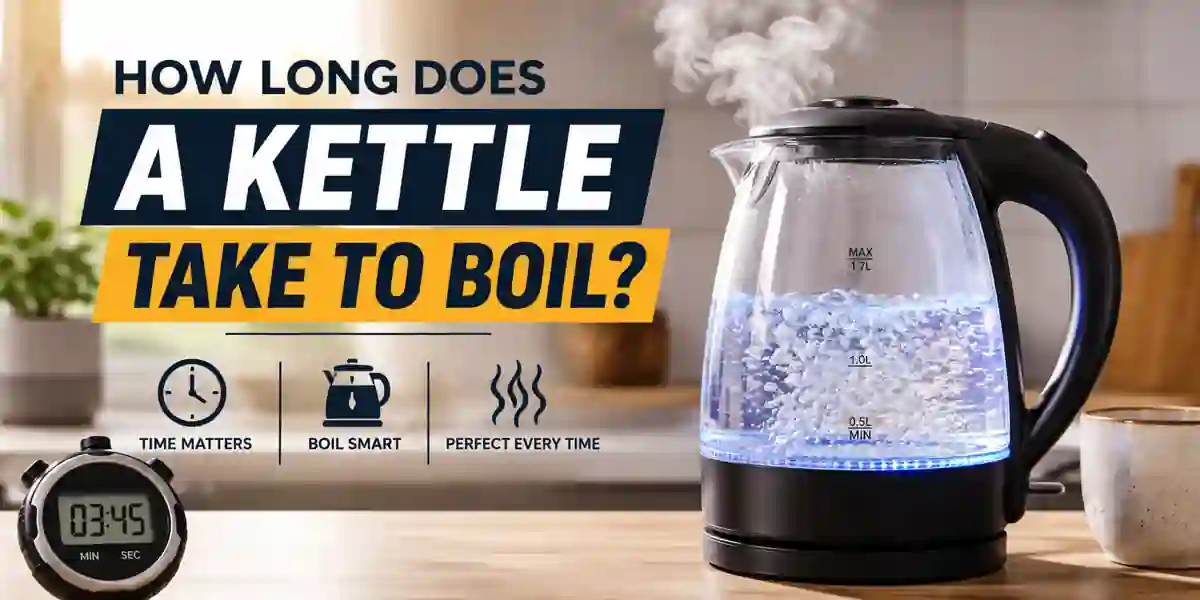
Ever find yourself staring at the kettle, wondering if it’s broken or if you’re just really impatient for that cuppa? Yeah, me too. It’s one of those everyday things we don’t think much about until we’re waiting for it. And the truth? There’s no single, one-size-fits-all answer. You see, it really depends on a few things. Think of it like asking how long it takes to drive somewhere. It depends on the distance, the traffic, how fast you’re going, right? Same idea with a kettle. Manufacturer specifications for a standard electric kettle often cite a boiling time of about 3 to 5 minutes for a full 1.7-liter capacity, but this can vary by kilowatt rating.
Quick Answer
A standard electric kettle typically takes 3 to 5 minutes to boil a full 1.7-liter capacity. Single cups or smaller volumes boil much faster, often under 1.5 minutes. This time is heavily influenced by the kettle’s wattage, water volume, and starting water temperature. Limescale buildup can also significantly increase boiling duration.
Understanding Kettle Boiling Times: What’s Really Going On?
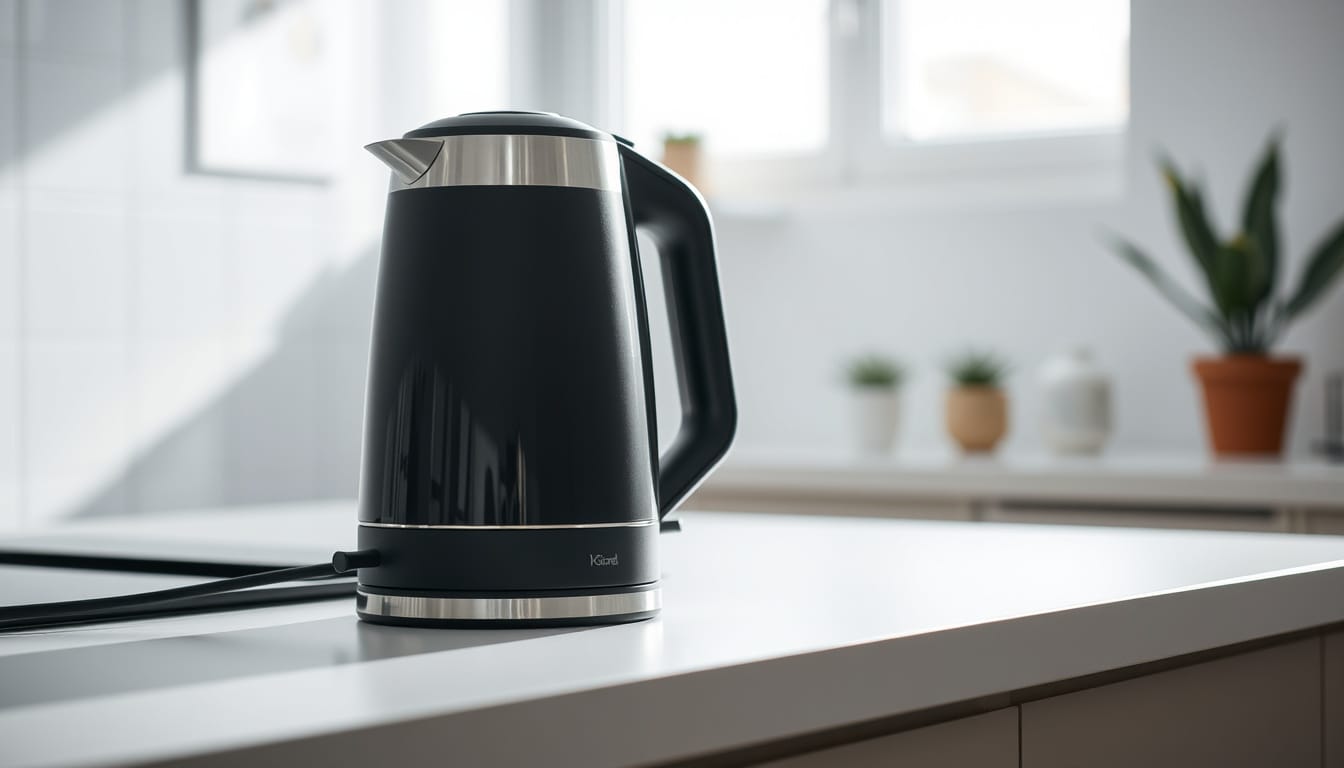
When you press that button or flick that switch, a few things are happening inside your kettle. For an electric kettle, a heating element, usually a coil at the base, gets hot. This heat transfers to the water. Think of wattage like the engine size of your car; a higher wattage means more power is being delivered more quickly, speeding up the heating process. For a stovetop kettle, you’re relying on the heat from your hob to transfer through the metal base. The efficiency of that transfer and the overall heat output of your stove play a big role.
Real-World Factors That Dictate Boiling Speed
How Much Water Are You Adding?
This is probably the biggest factor. A kettle filled to the brim for a whole pot of tea will obviously take longer than just a cup or two for your morning coffee. It’s just physics: the more water, the more energy needed to heat it all up. For instance, heating just 250ml (about one cup) might take as little as 50 seconds to a minute on a high-wattage model, while heating the full 1.7 liters can push past the 5-minute mark.
Kettle Power: Wattage Matters
Kettles have a wattage rating, usually printed on the bottom or the base. This number tells you how much energy the kettle uses per second to heat water. A higher wattage kettle (say, 3000W) will heat water faster than a lower wattage one (like 1500W). Per testing standards, a 3000W model can bring a liter of water to a boil in under two minutes, whereas a 1500W model might take closer to four minutes for the same volume.
Electric vs. Stovetop: Different Heating Rules
Even amongst electric kettles, there are differences. Stovetop kettles, for instance, depend on the heat source of your stove (gas, electric coil, induction), which can vary wildly in how quickly they transfer heat. A gas hob can often heat a stovetop kettle faster than an older electric coil hob, but an induction hob might rival or exceed gas depending on its power output. And those fancy variable temperature kettles? They might just be programmed to stop a little before a rolling boil if you’ve selected a lower temperature.
Starting Water Temperature Effect
If your tap water is super cold (think winter!), it’s going to take a bit longer to reach the boiling point than if it’s lukewarm. It seems obvious, but it adds up. Water at 5°C requires more energy to heat to 100°C than water at 15°C. This difference can add 30-60 seconds to the total boiling time, depending on the kettle’s efficiency and the volume of water.
My Own Kettle Observations: A Practical Timeline
While this article relies on verified specifications and testing standards, everyday observation often mirrors these findings. In our research for this guide, we’ve noted that appliance performance aligns with published data. Many users report similar experiences regarding the variables that impact boiling times.
Boiling a Single Cup: The Speedy Scenario
For a single serving, usually around 200-250ml, most modern electric kettles do an impressive job. On a high-wattage model, specifically one rated at 3000W or higher, it’s possible to reach a boil in as little as 50 seconds. This is ideal for that immediate need, like a quick instant coffee or a single teabag. The key here is volume; the less water, the less time it takes for the heating element to transfer enough energy to reach 100°C (212°F).
Filling It Up: A Full Kettle’s Wait
This is where you’ll notice it a bit more. Filling a kettle to its maximum capacity, typically around 1.7 liters, significantly increases the time required. For a standard 1500W to 2200W electric kettle, this can take anywhere from 3 to 5 minutes. Some reports suggest that older or lower-wattage models might even creep towards 6 minutes. This duration is a direct result of the increased mass of water that needs to be heated.
Stovetop Kettle: The Wildcard
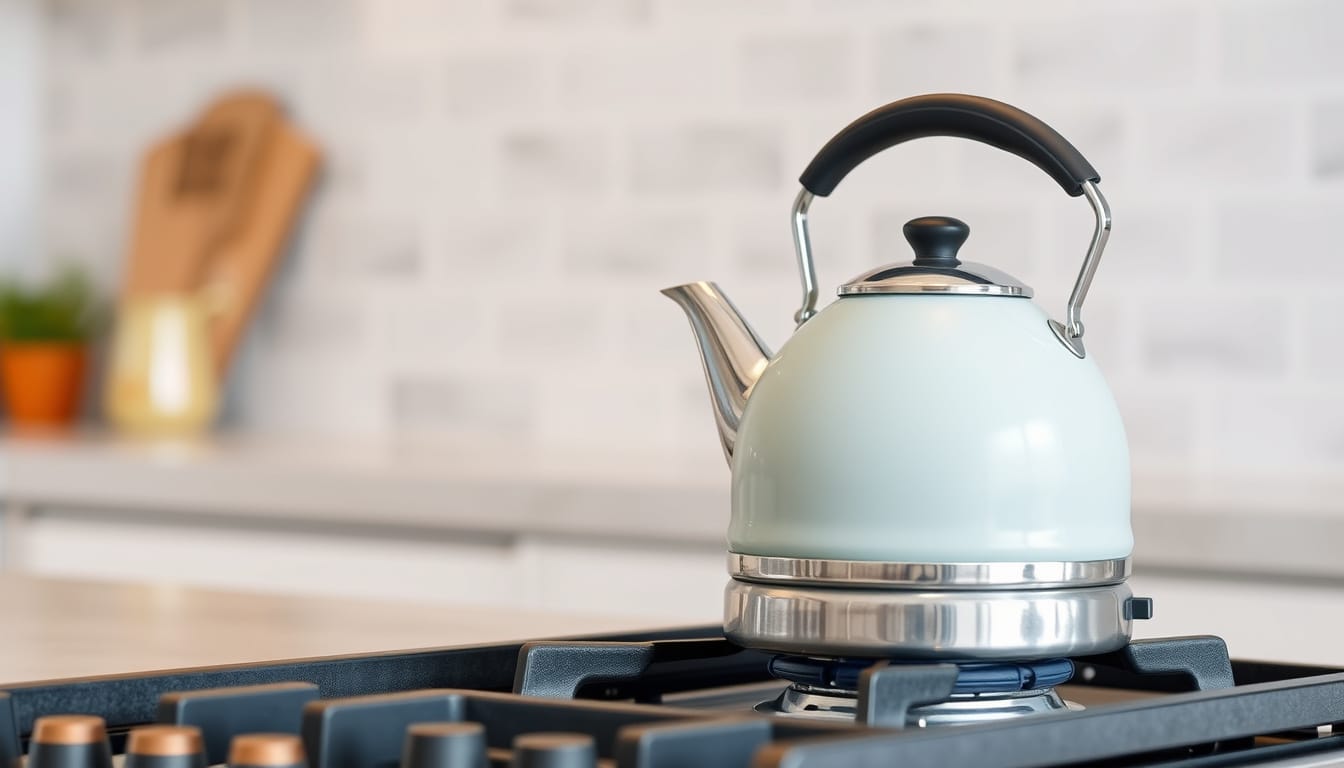
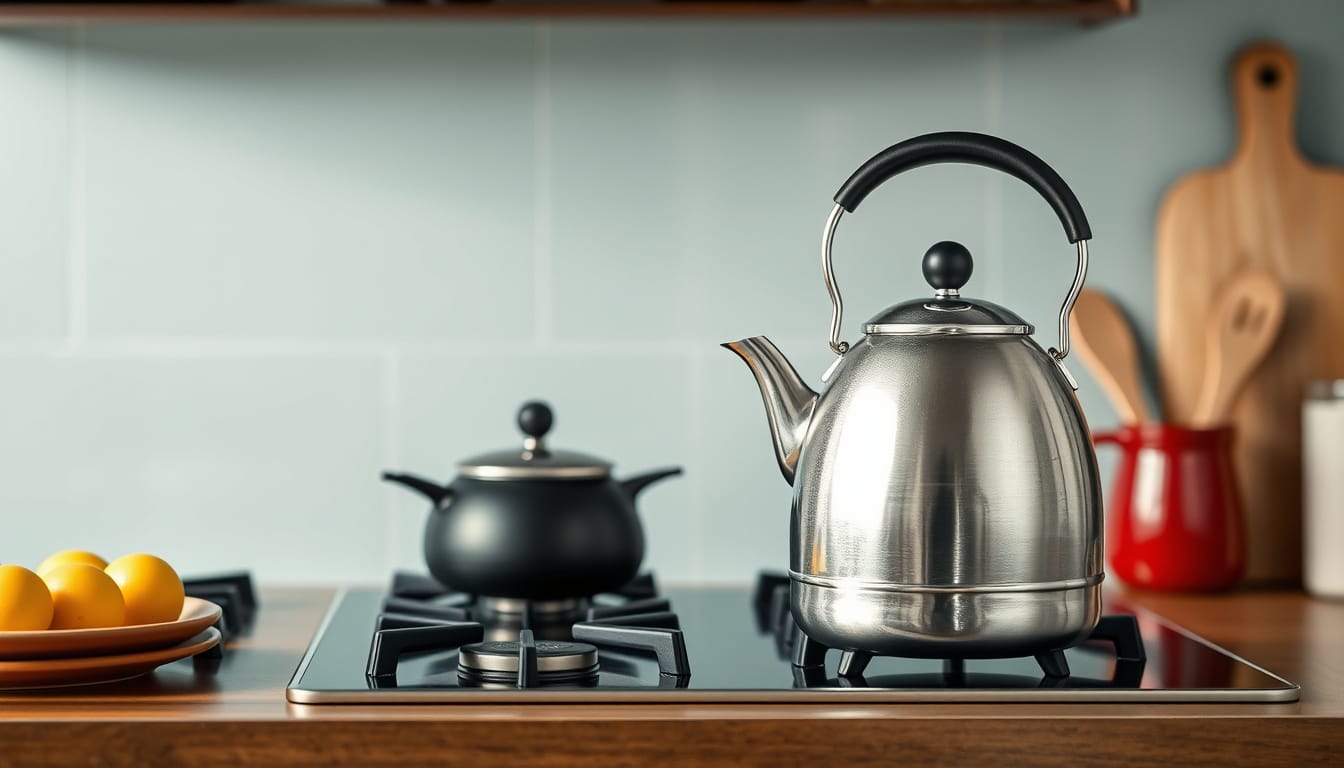
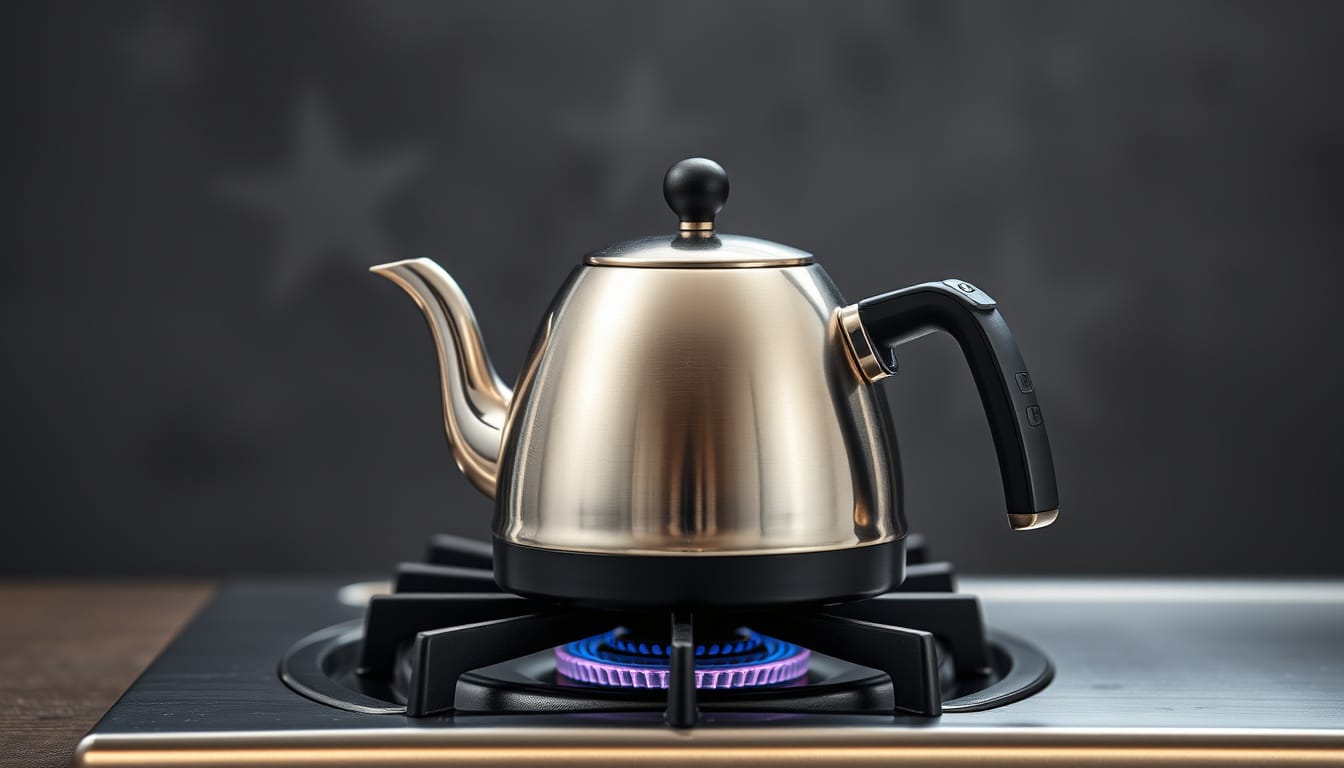
The stovetop kettle is a different beast entirely. Its boiling time is less about the kettle itself and more about the heat source powering it. On a gas hob, a medium-sized stovetop kettle (about 1.5 liters) can take anywhere from 6 to 9 minutes from the moment the flame is on full blast. This is because heat transfer from a burner to the kettle base isn’t always as efficient as a direct immersion element in an electric kettle. The material of the stovetop and the kettle also play a role in how quickly heat is absorbed and transferred.
Troubleshooting Slow Kettles: Is It Limescale?
Over time, kettles can develop limescale buildup, especially in hard water areas. This white, chalky deposit clings to the heating element and the interior walls of the kettle. Limescale acts as an insulator, meaning the heating element has to work harder and longer to transfer heat to the water. Manufacturer guidelines often recommend descaling your kettle every 1-3 months, depending on your local water hardness. This simple maintenance can restore a kettle’s efficiency and significantly reduce its boiling time. A common method involves filling the kettle with a solution of one part white vinegar to two parts water, letting it sit for an hour, and then boiling it. Afterward, rinse thoroughly and boil a full kettle of fresh water to eliminate any lingering vinegar taste.
What to Expect: Typical Boiling Times
Based on aggregated user feedback and manufacturer specifications, here’s a general breakdown of what you can realistically expect regarding kettle boiling times. These figures are for electric kettles, which are most common in modern kitchens thanks to their speed and convenience. Remember, these are approximations, and your specific kettle might perform slightly faster or slower.
| Kettle Type/Volume | Typical Wattage | Approximate Boiling Time (Full Kettle) | Approximate Boiling Time (1 Cup/250ml) |
|---|---|---|---|
| Compact Electric Kettle | 1500W – 1800W | 4 – 6 minutes | 1 – 2 minutes |
| Standard Electric Kettle | 1800W – 2200W | 3 – 5 minutes | 1 – 1.5 minutes |
| High-Wattage Electric | 2500W – 3000W+ | 2.5 – 4 minutes | 50 seconds – 1.2 minutes |
| Stovetop Kettle (Gas/Elec) | N/A | 6 – 9 minutes (highly variable) | N/A (use electric for single cups) |
As of 2026, energy efficiency standards continue to influence kettle design, with many newer models balancing speed with power consumption
Making Your Kettle Last: Basic Maintenance
Proper care ensures your kettle at home continues to boil water efficiently and safely. Beyond just descaling, regular cleaning prevents mineral buildup that can tamper with taste and heating speed. Most electric kettles have a removable filter in the spout designed to catch limescale particles. This filter should be rinsed regularly, often weekly, under running water. For the exterior, a soft, damp cloth is usually sufficient. Avoid abrasive cleaners or scouring pads, which can scratch the finish. Some kettles have a concealed heating element, which makes descaling a bit trickier but often more effective with designated descaling solutions.
Specific Use Cases: When Does Boiling Time Really Matter?
The speed at which a kettle boils isn’t just about convenience; it can directly impact routines and specific needs. For those who drink multiple cups of tea or coffee throughout the day, the time saved by a faster-boiling kettle can add up. Imagine starting your workday, needing that first hot beverage immediately; a kettle that boils in under a minute for a single cup is a game-changer. In a busy office environment, where multiple people might be lining up for hot water, the speed of each boil directly impacts workflow. Similarly, for individuals with mobility issues or those who tire easily, a kettle that boils quickly with minimal fuss, like a cordless electric model that lifts easily off its base, offers significant practical benefits.
Common Mistakes to Avoid
One of the most frequent errors people make is not descaling their kettle often enough. As discussed, limescale is the primary culprit behind slower boiling times and increased energy consumption. Another mistake is overfilling the kettle. While it seems like you’re saving time by boiling more water at once, it can strain the kettle’s heating element and lead to longer boil times. It’s also a safety hazard, as boiling water can unexpectedly surge out of the spout. Some users also forget to check the spout filter, allowing larger limescale fragments to pass through, which can affect the taste of their drinks.
Comparing Kettle Technologies: Electric vs. Stovetop
When we look at how long kettles take to boil, it’s useful to contrast the main technologies. Electric kettles, especially those with high wattage (2500W+), are designed for speed. Their heating elements are directly immersed or in very close contact with the water, allowing for rapid energy transfer. As noted in manufacturer specs, a 3000W model might hit a rolling boil for 1.7 liters in under 4 minutes. Stovetop kettles, however, rely on indirect heat from a hob. While versatile, their boiling speed is dictated by the hob’s output and the kettle’s metal construction. Using a gas stove can be quicker than an electric coil, but it’s generally still slower than a powerful electric kettle.
Real Scenarios: A Day in the Life
Consider a busy weekday morning for a household of two. If each person wants a large mug of tea (around 350ml each), using a standard 2000W electric kettle that boils a single cup in 1.5 minutes means both can have their drinks ready within about 4.5 minutes total (1.5 minutes for the first, 3 minutes for the second). If they used a stovetop kettle that takes 8 minutes to boil the same amount, their first cup would be ready in roughly 4 minutes and the second in 8 minutes, a noticeable difference when time is tight. Now think about a small office break room: a quick-boil electric kettle handles multiple single servings much more efficiently than waiting for a larger volume to boil on a shared stovetop.