
You’ve finally decided to buy a bean bag chair. Then you hit the search results and see everything from a $30 kids’ sack to a $600 giant lounger. So how much is a bean bag chair, really?
The truth is that the price tag reflects what’s inside, not just the brand name.
As of 2026, most adult-sized bean bag chairs land between $60 and $300. Premium models with dense fill and heavy-duty fabric can push past $500. Kids’ versions start around $30, but they’re built to a different standard.
Safety rules like CPSC guidelines and ASTM F1912 shape what you’ll pay for children’s options. Let’s break down the real cost drivers so you know exactly where your money goes.
Image source: Bing (Web (fair-use with source credit))
Quick Answer
Bean bag chairs cost between $30 and $600 in 2026. Kids’ sizes start around $30, while standard adult chairs run $60 to $150. Large loungers cost $150 to $300.
Premium giant chairs reach $500 or more. Price depends on fill, fabric, and volume.
The Short Answer: What a Bean Bag Chair Actually Costs
Here’s the price breakdown you’ll see across the market right now. It’s not a straight line, but the categories are consistent.
| Type | Typical Price Range | Fill Volume | Best For |
|---|---|---|---|
| Kids’ bean bag | $20–$60 | 2–3 cu ft | Children under 12 |
| Standard adult chair | $60–$120 | 4–5 cu ft | One adult, occasional use |
| Medium lounger | $120–$250 | 5–7 cu ft | Reading, gaming, daily lounging |
| Giant / XXL chair | $250–$600+ | 8–10+ cu ft | Two people, full-body lounging |
The $30 chairs you see on sale? They exist. But they usually have thin polyester covers, low-density recycled fill, and no safety locking zipper.
They work fine for a kid who weighs 50 pounds and won’t sit still for more than an hour. They don’t hold up for adult use. In our research, the sweet spot for a durable adult bean bag lands around $100 to $180.
At that price, you get a decent fill volume, sturdier seams, and a washable cover.
If you’re wondering why prices run so high for some models, it’s mostly about manufacturing choices. The fill alone can account for half the cost.
Why Bean Bag Prices Vary So Much (It’s Not Just Brand Hype)
A $300 bean bag isn’t automatically a rip-off. It’s just a different product than the $60 one. The price gap breaks down into four main factors:
- Fill quality and type. Virgin EPS beads hold their shape longer than recycled ones. Memory foam fills cost more but compress less over time.
- Fabric and construction. Premium covers use denser weaves and double stitching. Cheap ones use thin knit that pills and tears within months.
- Size and fill volume. A 4-cubic-foot chair uses half the fill of an 8-cubic-foot lounge. More material always costs more.
- Safety and compliance. Chairs made for kids often need locking zippers, non-toxic dyes, and fire-retardant treatments that pass CPSC testing. Those features add to the bill.
That last point matters more than most people think. The U.S. Consumer Product Safety Commission (CPSC) sets strict rules for children’s furniture, and ASTM F1912 specifically covers bean bag chairs.
Brands that follow those standards spend more on materials and testing, so they charge more. The cheap imports often skip those steps.
Fill Type: The Biggest Price Driver You’re Overlooking
Let’s be direct about this: the fill is the soul of a bean bag. It’s also the most expensive part to replace. When you compare prices, look at what’s inside before anything else.
EPS beads are the classic fill. Expanded polystyrene beads are light, cheap, and mold to your body. But not all EPS is the same.
Virgin beads are manufactured fresh, so they’re springier and hold their loft for years. Recycled beads are crushed and reshaped, which makes them less resilient. A chair with virgin EPS fill will cost more upfront and feel fuller for longer.
Shredded memory foam is the premium alternative. It feels softer and more structured, like a foam cushion. It also weighs more and costs significantly more.
A bean bag with foam fill can easily run $300 or more, but it won’t deflate the way bead-filled chairs do.
Quick comparison: EPS beads cost roughly $10 to $20 per cubic foot for replacement bags. Memory foam fill runs $25 to $40 per cubic foot. That’s a huge difference when a large chair needs 8 cubic feet.
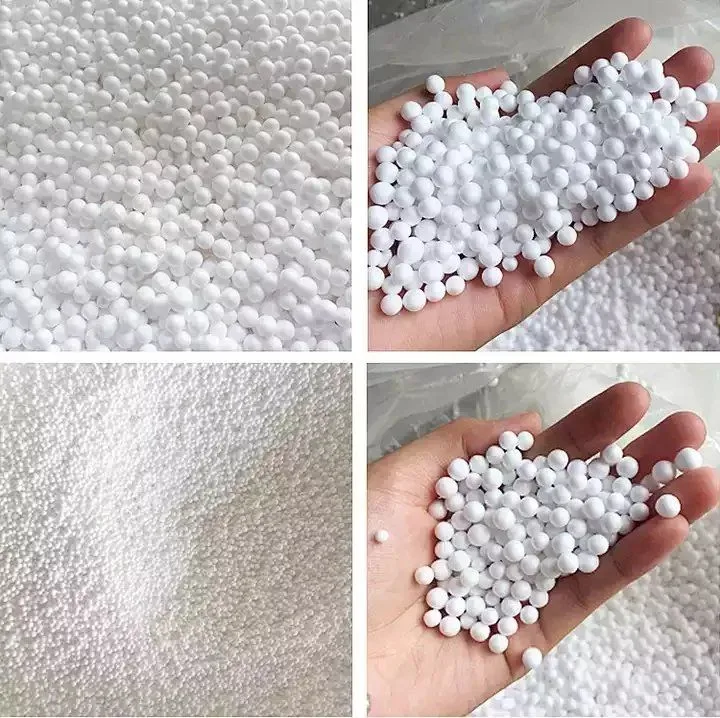
Image source: Bing (Web (fair-use with source credit))
Recycled fill is the price trap to watch. Aggregate reviews show that cheap chairs with recycled EPS tend to flatten noticeably within three to six months of daily use. The fix is buying more fill, which eats into the money you saved.
Some people choose to build your own at home to control the fill quality, but that takes time and tools.
Fabric and Build Quality: Where Cheap Chairs Fall Apart
The fill decides how long a bean bag stays plump. The fabric decides how long it stays presentable. Both matter when you’re calculating value.
Budget chairs usually use a thin polyester knit or faux suede with a low denier count. Denier measures fabric thickness. A 200-denier fabric feels soft but wears quickly.
A 400-denier fabric is noticeably tougher. Premium chairs often push 600 denier or more, especially in outdoor-grade fabrics.
Here’s what to check on the cover:
- Seam construction. Double stitching at stress points, especially around the zipper, prevents blowouts.
- Zipper quality. A locking zipper is safer for kids and stops the fill from escaping. Cheap zippers break within a year.
- Washability. A removable, machine-washable cover saves you from replacing the whole chair when someone spills. Look for clear washing instructions before you buy.
- Fabric type. Microsuede and corduroy feel great but attract pet hair. Faux leather looks sharp but cracks. Outdoor performance fabric handles spills best.
In our editorial analysis, most negative bean bag reviews mention the same thing: the cover failed before the fill flattened. Tears at the seam, a broken zipper, or pilling fabric that looks worn after a few weeks. That’s why spending a little extra on construction pays off.
And when the cover does get dirty, knowing how to wash it properly extends the chair’s life significantly.
Size Matters: Price Per Cubic Foot, Explained
The fastest way to compare bean bag prices is to ignore the retail price and look at price per cubic foot. That gives you an apples-to-apples number regardless of shape or brand.
Here’s how it works. Take the price of the chair and divide it by its fill volume. A 5-cubic-foot chair at $100 costs $20 per cubic foot.
A 10-cubic-foot giant at $300 also costs $30 per cubic foot. The bigger chair is actually a better deal per pound of material.
| Chair Size | Fill Volume | Typical Price | Price per Cu Ft |
|---|---|---|---|
| Kids’ chair | 2.5 cu ft | $40 | $16 |
| Standard | 5 cu ft | $120 | $24 |
| Jumbo | 8 cu ft | $300 | $37.50 |
| Premium XXL | 10 cu ft | $500 | $50 |
The price per cubic foot climbs with quality. That’s because premium fill and heavy-duty fabric cost more per unit. It’s not a rip-off.
It’s just a better material bill.
Before you buy, measure the space you’re putting the chair in. A 10-cubic-foot lounger looks like a small mountain. It can be 6 feet long when laid flat.
Most standard doorways are 30 to 32 inches wide, so check the chair’s dimensions when compressed. Some brands ship their chairs vacuum-packed, which makes moving them easier, but you still need room to let the fill expand.
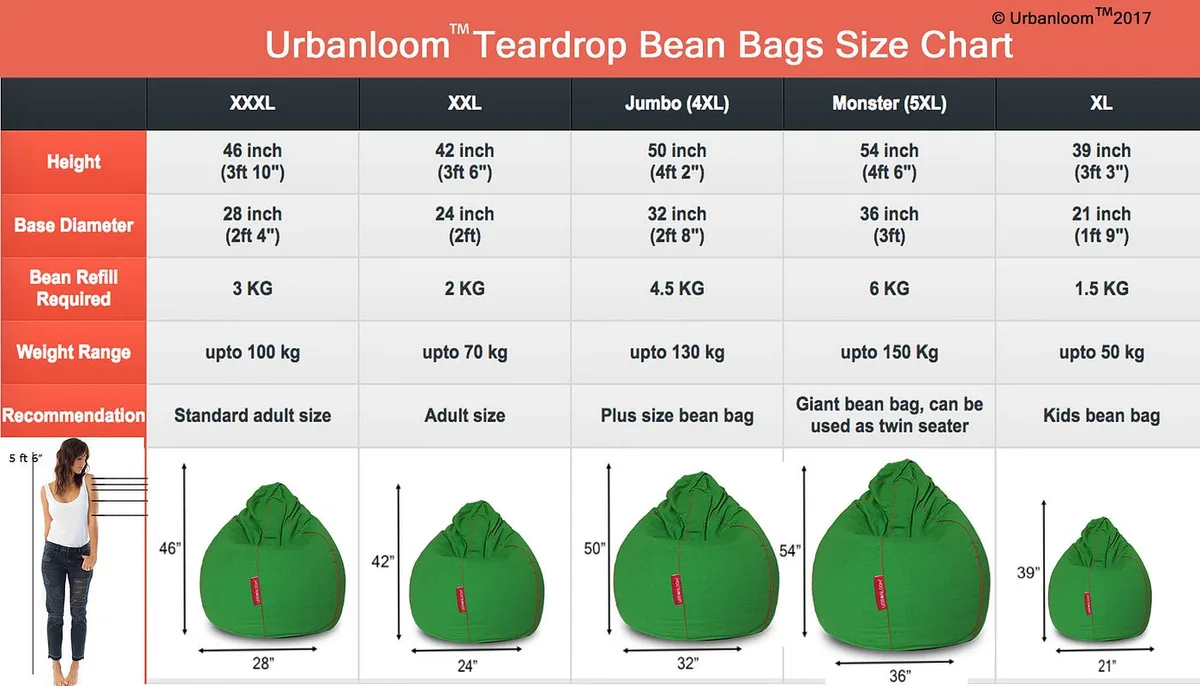
Image source: Bing (Web (fair-use with source credit))
If you’re between sizes, go bigger. A slightly oversized chair is more comfortable and more versatile. The opposite rarely works.
If you’re intrigued by the idea but not the price, there are plenty of top-rated loungers across all size categories. The key is matching the chair to your body height and typical sitting position.