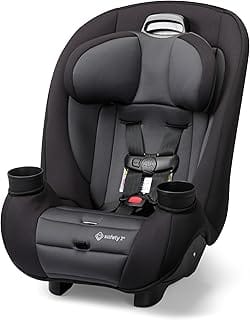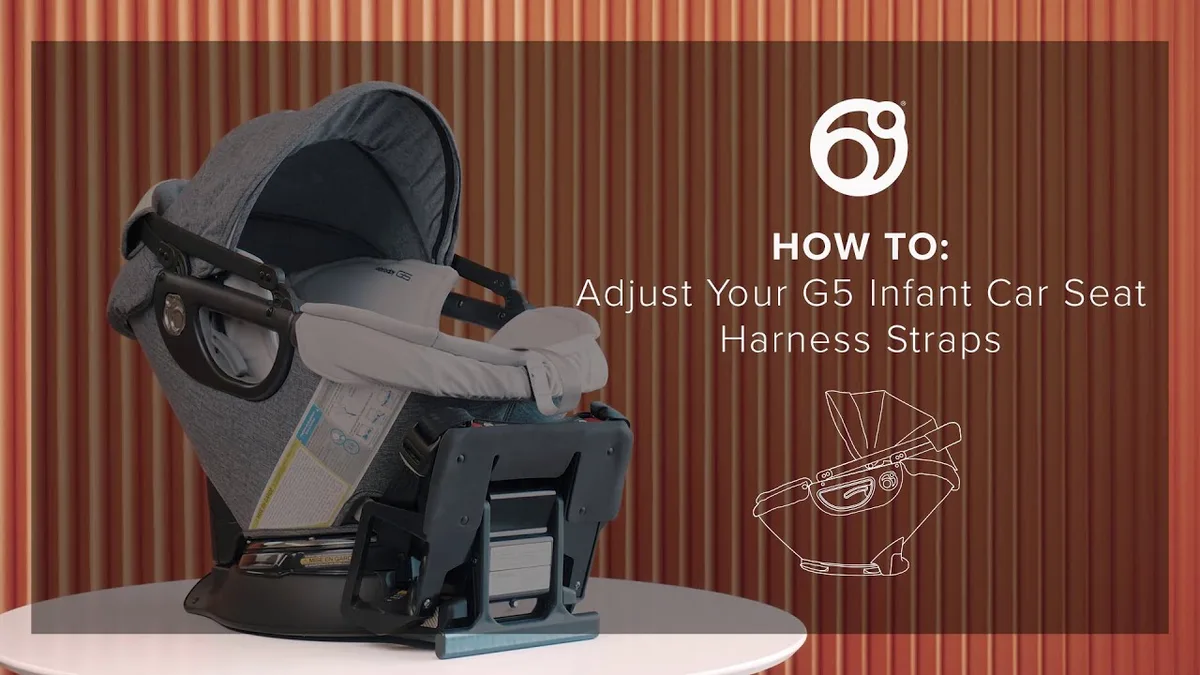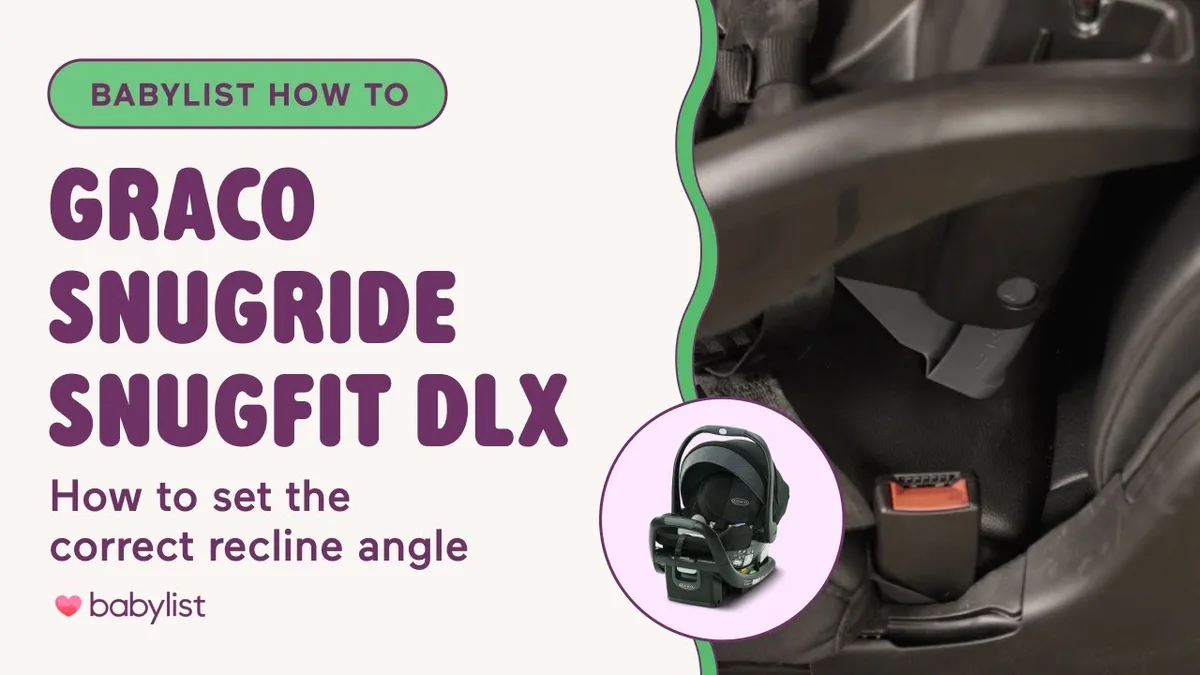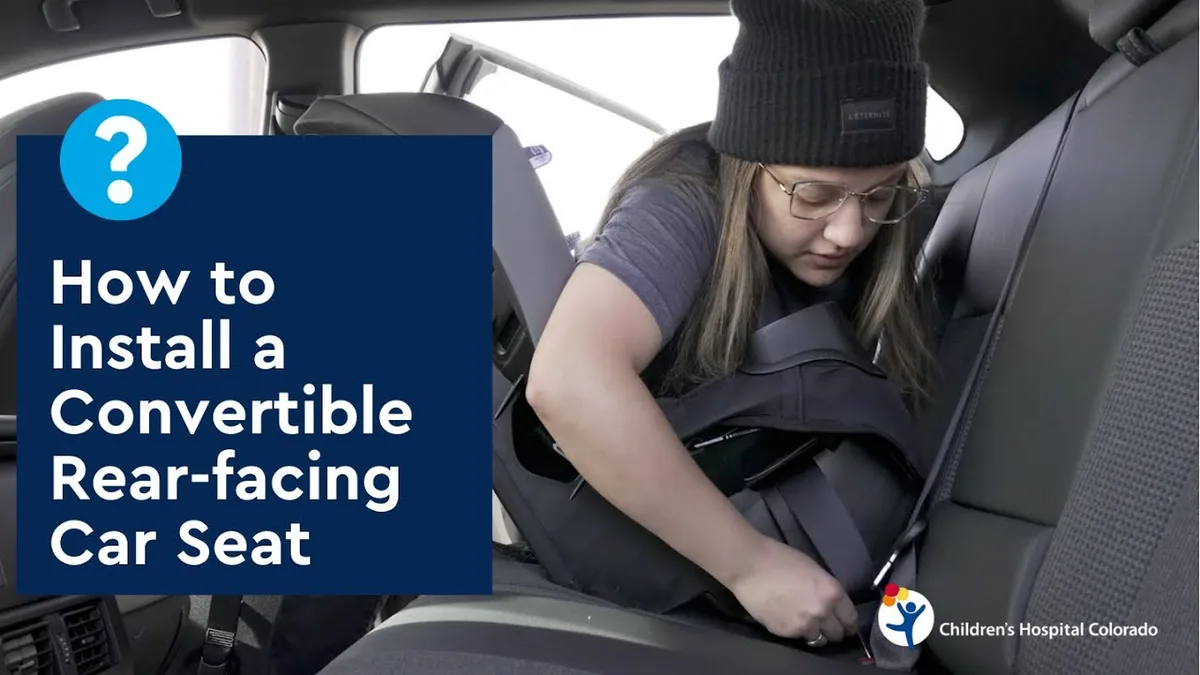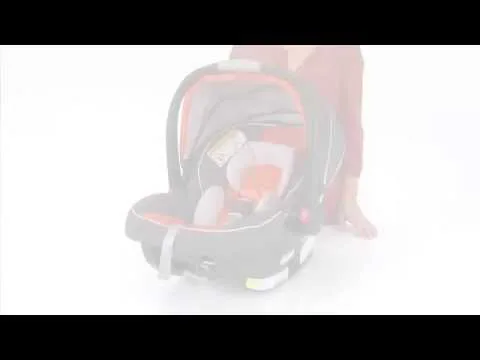

If you're wondering whether you can buy car seats second hand, the short answer is almost always no. Child restraint systems degrade invisibly over time. Buying a used one means trusting a stranger with your child's physical safety.
That's a gamble most parents shouldn't take.
Every seat sold in the United States must meet Federal Motor Vehicle Safety Standard 213. Manufacturer specifications indicate these materials break down after six to ten years. We'll walk through exactly why used seats fail and what safer options exist for tight budgets.
can you buy car seats second hand
You can technically buy a second hand car seat. Safety experts strongly advise against it. Used seats often hide invisible crash damage.
Plastic shells become brittle as they age. Always choose a new seat instead.
Why Buying a Second-Hand Car Seat Is a High-Stakes Gamble
Car seats aren't just padded chairs. They are single-use engineered safety devices designed to absorb violent crash forces. When people ask if they should grab a cheap used model off Facebook Marketplace, our research shows the risks far outweigh the savings.
A seat's ability to protect your child depends entirely on its structural history. You cannot see that history by looking at the fabric. Even a minor parking lot collision can compromise the internal foam structure permanently.
This is why child passenger safety guidelines explicitly warn against buying used restraints from strangers. The National Highway Traffic Safety Administration sets strict federal standards for a reason. Those standards assume the materials haven't been stressed or degraded.
When you buy new, you get a guaranteed lifespan. You know exactly where the seat has been. You also get a registered warranty tied directly to your family.
Used seats strip away all those guarantees. You inherit someone else's driving habits, sun exposure, and storage choices. That's a massive blind spot when protecting a baby.
Parents often underestimate how much heat damages plastic polymers. A seat sitting in a parked car during summer months bakes constantly. UV rays accelerate chemical breakdown in ways you simply can't reverse.
If you're shopping for a first child, understanding when kids transition out of infant models helps you budget correctly. Buying a seat that fits their growth curve prevents premature replacement costs later.
The financial pressure is real. New gear adds up fast. But compromising on the one item meant to prevent catastrophic injury isn't the place to cut corners.
The Invisible Risks: Crash Damage, EPS Foam Degradation, and Expiration Dates
Hidden damage is the primary reason used car seats fail. Energy management foam inside the shell absorbs impact by crushing. Once crushed, even slightly, it never bounces back to factory specifications.
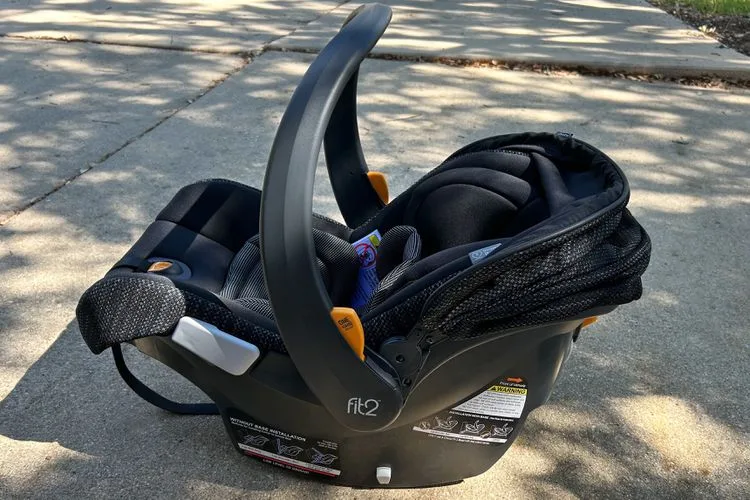
Image source: Web (Bing) / detroitchinatown.org (Web image (fair-use with source credit))
EPS foam, or Expanded Polystyrene, looks like thick white packing material. It lines the inside of the hard plastic shell. If a previous owner was in a fender bender, that foam might have micro-fractures.
You can't X-ray a seat at home to check for this. Visual inspections miss compressed foam almost every time. Aggregate reviews report many parents falsely assuming a "clean-looking" seat was perfectly safe.
Plastic degradation is the second silent killer. The hard outer shell relies on flexible polymers to distribute crash energy. Over time, extreme temperature swings make that plastic incredibly brittle.
A brittle shell shatters under force instead of flexing. This completely defeats the engineering purpose of the restraint system. Manufacturer documentation confirms heat cycles inside parked cars drastically shorten material life.
Then there is the expiration date. Every seat has one stamped into the plastic or printed on a sticker. As of 2026, most major brands set this limit between six and ten years from manufacture.
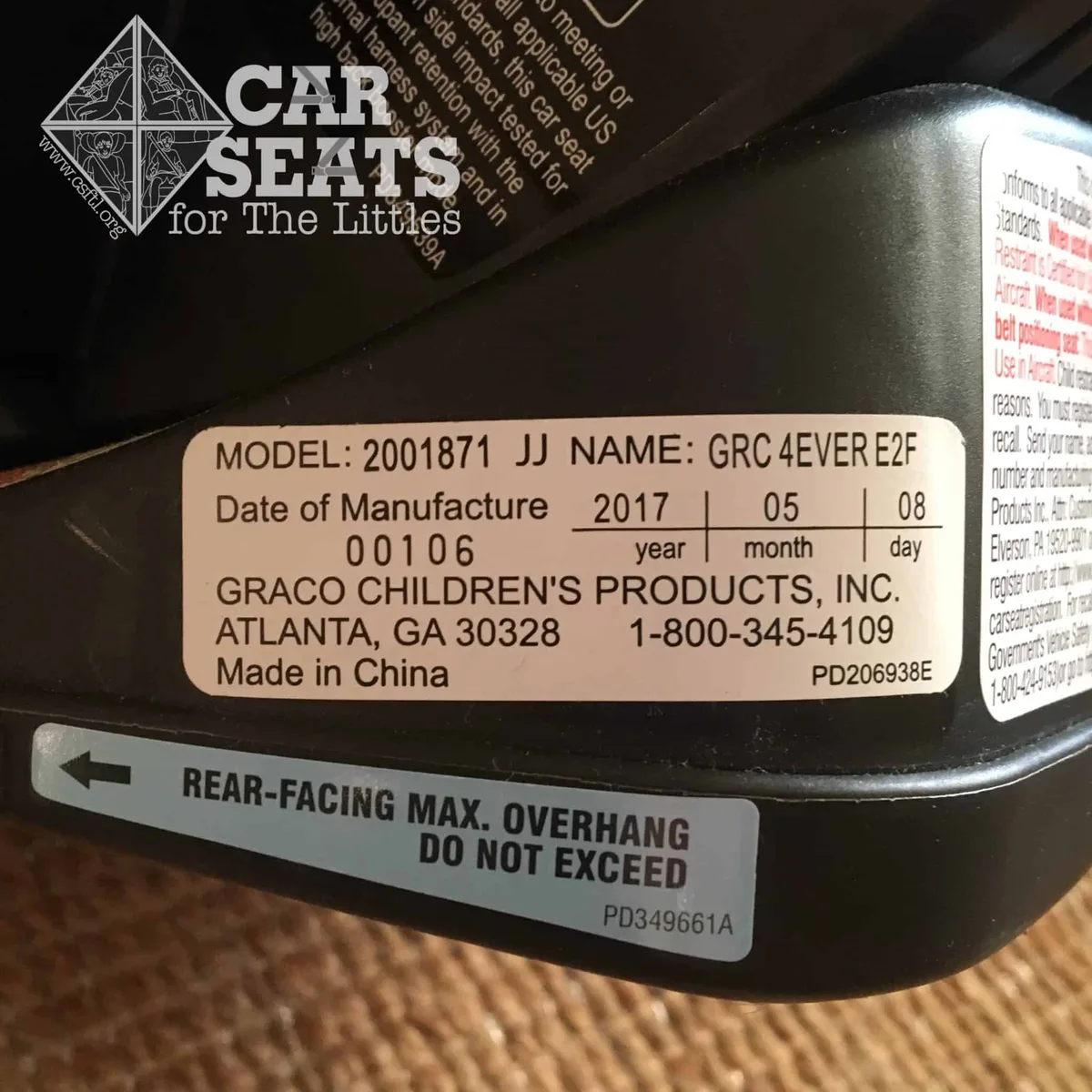
Image source: Web (Bing) / storage.googleapis.com (Web image (fair-use with source credit))
This isn't a marketing trick to sell more inventory. It is a hard chemical timeline based on polymer breakdown. Using an expired seat means relying on materials that no longer meet FMVSS 213 testing thresholds.
Missing parts create another layer of danger. People lose chest clips, buckle tongues, and instruction manuals constantly. Installing a seat without the exact original manual leads to dangerous routing errors.
Frayed harness webbing is equally risky. Stiff straps won't tighten properly against a child's collarbone. A loose harness allows excessive forward movement during sudden deceleration.
Knowing how long babies stay rear-facing matters here too. Older seats might not support current extended rear-facing weight limits safely.
| Risk Factor | What Happens | Why You Can't See It |
|---|---|---|
| Prior crash involvement | EPS foam compresses permanently | Micro-fractures hide beneath fabric covers |
| UV and heat exposure | Plastic shell becomes brittle | Chemical degradation occurs internally |
| Expired materials | Polymers lose flexibility | Stickers fade or get peeled off |
| Missing components | Incorrect installation path | Manuals and spacers get lost easily |
| Frayed webbing | Harness fails to lock tightly | Stiffness feels normal until tested |
The Only Safe Way to Accept a Used Car Seat (And How to Vet It)
There is only one scenario where accepting a used seat makes sense. It must come from someone whose driving history you know intimately. Think immediate family or a very close friend.
Even then, you must verify every detail yourself. Don't just take their word for it. Run through a strict inspection process before putting your child inside.
First, locate the manufacture date sticker. It's usually on the bottom or back of the hard shell. Calculate the exact age to ensure it hasn't crossed the manufacturer's expiration threshold.
Next, search the NHTSA recall database online. Type in the brand name, model number, and manufacture date. If there is an open recall and no repair kit exists, throw the seat away immediately.
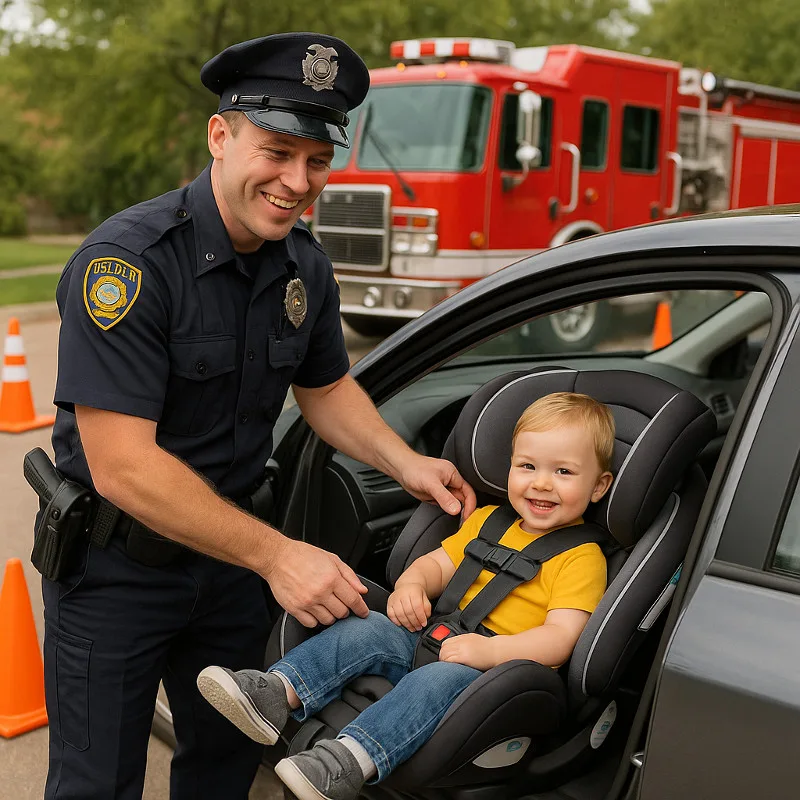
Image source: Web (Bing) / themeafordindependent.ca (Web image (fair-use with source credit))
Take the fabric cover completely off. Look directly at the bare plastic shell and the white foam underneath. Check for hairline cracks along stress points, hinges, and belt paths.
Pull the harness straps all the way out. Inspect them for fraying, discoloration, or stiffness. Push the adjuster button repeatedly to ensure it locks crisply every single time.
Test the crotch buckle and chest clip a dozen times. They should snap together firmly and release smoothly. Sticky mechanisms indicate internal wear or spilled liquids degrading the springs.
If anything feels off, stop. Do not try to fix a compromised child restraint system. Cut the straps so nobody else uses it, mark it clearly as unsafe, and dispose of it.
Working with a certified Child Passenger Safety Technician removes the guesswork. These professionals train specifically to spot hidden damage that average parents miss. Many fire departments and hospitals host free inspection stations.
If you decide a used seat passes every test, you still need to install it flawlessly. Knowing the right vehicle fit prevents dangerous wiggling. Not every seat geometry matches every backseat angle.
For parents transitioning older toddlers, verifying forward-facing readiness timelines ensures the hand-me-down actually suits their current size. An expired seat won't support heavier children safely.
Keep the original manual accessible. If it's missing, download the exact PDF from the manufacturer's official website. Never guess the LATCH or seat belt routing path.
What to Do If You Can’t Afford a New Car Seat Right Now
Budget constraints drive most people toward the second-hand market. We understand that reality completely. But defaulting to a random Craigslist find isn't your only option.
Safer alternatives exist.
Start by contacting local CPST fitting stations. Many technicians manage community programs funded by grants or state highway safety offices. They distribute brand-new, federally compliant seats to qualifying families for free.
Check your eligibility for government assistance programs. WIC offices frequently partner with organizations like Safe Kids Worldwide to provide infant and convertible seats. Hospital social workers can point you toward these resources before discharge.
Look into auto insurance policies if you were recently in a wreck. Most providers must replace child restraints involved in a qualifying accident. Don't leave that money on the table to save the company a few dollars.
Retailer trade-in events happen twice a year at major chains. You bring in any old or expired seat, and they give you a significant discount coupon. That coupon applies toward a brand-new, unexpired model.
If none of those work, buy the cheapest new seat available. You don't need leather accents or built-in cup holders. A basic $50 model meets the exact same FMVSS 213 crash standards as a $400 luxury version.
Safety regulations apply uniformly across all price points. The expensive seats offer convenience features, not better crash physics. A bare-bones new seat will always outperform a compromised premium one.
Avoid thrift stores entirely. Major chains like Goodwill generally refuse car seat donations due to liability concerns. If you find one on their shelf, it slipped through quality control.
Leave it there.
Keeping the seat clean extends its usable life within the safe window. Learning proper washing techniques prevents harsh chemicals from weakening the harness webbing prematurely.
Don't let pride keep your kid in danger. Asking for help through verified channels is always smarter than gambling on a stranger's discarded gear. Your child's physical safety demands that standard.
New vs. Used Car Seats: A Realistic Cost and Safety Breakdown
Let's look at the actual numbers. Parents often compare a free used seat against a $200 new one. That math ignores the hidden costs of failure and risk.
A new entry-level seat costs between $50 and $80. It comes with a full six to ten-year lifespan. You get all original parts, a pristine manual, and guaranteed crash integrity.
A second-hand seat costs anywhere from free to $100 online. But you inherit unknown mileage, potential UV damage, and zero warranty protection. You also spend hours inspecting it thoroughly.
| Feature | Brand New Entry-Level | Second-Hand Market Find |
|---|---|---|
| Retail Price | $50 to $80 | Free to $100 |
| Crash Integrity | Guaranteed intact | Completely unverifiable |
| Lifespan Remaining | Full 6 to 10 years | Partially depleted |
| Recall Status | Registered instantly | Easy to miss entirely |
| Parts and Manual | Everything included | Frequently missing items |
| Warranty Coverage | Full manufacturer backing | Void upon transfer |
The peace of mind alone justifies the $50 difference. You aren't just buying plastic and foam. You are buying certainty that the energy management systems function exactly as engineered.
Used seats also carry legal gray areas. If an accident occurs and investigators find an expired or improperly installed second-hand seat, insurance claims get complicated fast. Liability shifts onto the caregiver.
When shopping for a newborn, reviewing highly rated infant models helps identify affordable options that grow with your child. Convertible designs eliminate the need to buy multiple seats quickly.
If you plan to travel frequently, checking rear-facing options built for portability ensures you buy something practical. A heavy, bulky new seat might frustrate you more than a lighter one.
Ultimately, the comparison isn't really about money. It's about acceptable risk thresholds. In almost every other category of baby gear, second-hand works fine.
For crash restraints, it doesn't.
Common Questions About Second-Hand Car Seats
Are thrift store car seats safe to use?
Thrift store car seats are never safe to use. Most major charities actually refuse these donations because of liability risks. If you spot one on a shelf, it bypassed their normal safety screening.
Leave it there and find a verified alternative instead.
Can I use a car seat after a minor crash?
You can only keep a seat after a truly minor crash if it meets five strict NHTSA criteria. The vehicle must be drivable, the nearest door undamaged, and airbags un-deployed. No injuries could have occurred, and the seat itself must show zero visible damage.
If any single condition fails, replace the restraint immediately.
How do I find out if my used seat was recalled?
Locate the model number and manufacture date on the sticker attached to the plastic shell. Enter those details directly into the recall lookup tool on the official NHTSA website. If a safety defect exists, the database will list it instantly along with specific repair instructions.
Never rely on verbal assurances from previous owners regarding past recalls.
Do expensive car seats offer better crash protection than cheap ones?
Expensive models do not provide better crash physics than basic ones. Every seat sold legally in the US must pass identical FMVSS 213 federal testing standards. Higher prices simply buy convenience features like easier installation systems or premium fabrics.
A $50 new seat protects your child just as effectively as a $400 version.
What should I do with an expired car seat?
Destroy the expired seat so nobody else attempts to use it. Cut the harness webbing completely with heavy scissors. Write "EXPIRED" or "UNSAFE" across the bare plastic shell using a permanent marker.
Check if local retailers host trade-in events where you can exchange the broken shell for a discount coupon. Understanding when kids transition between stages helps you time replacements before expiration dates arrive.
Is it safe to buy a second hand booster seat?
Buying a used booster seat carries the exact same material degradation risks as infant models. Belt-positioning boosters rely on structural integrity to route adult seat belts correctly across a child's body. Cracked plastic guides or missing armrests compromise that geometry entirely during sudden stops.
Always verify the complete history before accepting any type of used child restraint system.