
If you are wondering whether can you donate car seats to goodwill, the answer depends on a few strict safety rules. Most regional donation centers will turn away used child restraint systems entirely. That is because these organizations face heavy liability risks when handling expired or compromised gear.
You need to verify your seat's condition and check local policies before loading up your trunk.
Per NHTSA guidelines, any car seat involved in a moderate or severe crash must be replaced immediately. Manufacturer specifications also show that plastic shells degrade after 6 to 10 years. As of 2026, thrift retailers remain extremely cautious about accepting secondhand safety equipment for children.
Let us walk through the exact decision tree to handle your old seat safely.
can you donate car seats to goodwill
Most Goodwill locations do not accept used car seats. Local stores reject them due to product liability concerns. You must call your specific regional center first.
Only unexpired, crash free seats qualify for donation anywhere.
The Short Answer: Why Most Goodwill Locations Reject Used Car Seats
Goodwill Industries International operates as a network of independent regional organizations. They do not follow one universal intake rulebook. If you assume every location accepts child passenger safety gear, you will likely waste a trip.
In our research, the vast majority of regional centers explicitly ban used car seats from their donation bins.
The primary reason comes down to legal liability. Thrift stores cannot easily verify if a secondhand seat meets current FMVSS 213 federal safety standards. They have no way to confirm its full crash history.
A retailer does not want to resell a compromised seat that later fails during an accident.
This policy applies across almost all similar donation networks. Organizations like Salvation Army and Habitat for Humanity ReStore frequently enforce identical bans. Even if your seat looks perfectly clean, store managers will usually point you toward the exit.
Knowing this saves you time and frustration right from the start.
The 3-Step Safety Check Before You Try to Donate Anywhere
Before you even think about calling a donation center, you need to evaluate the seat itself. This workflow acts as your first conditional branch. If the seat fails any single step here, it cannot be donated to anyone.
It must be dismantled and destroyed instead.
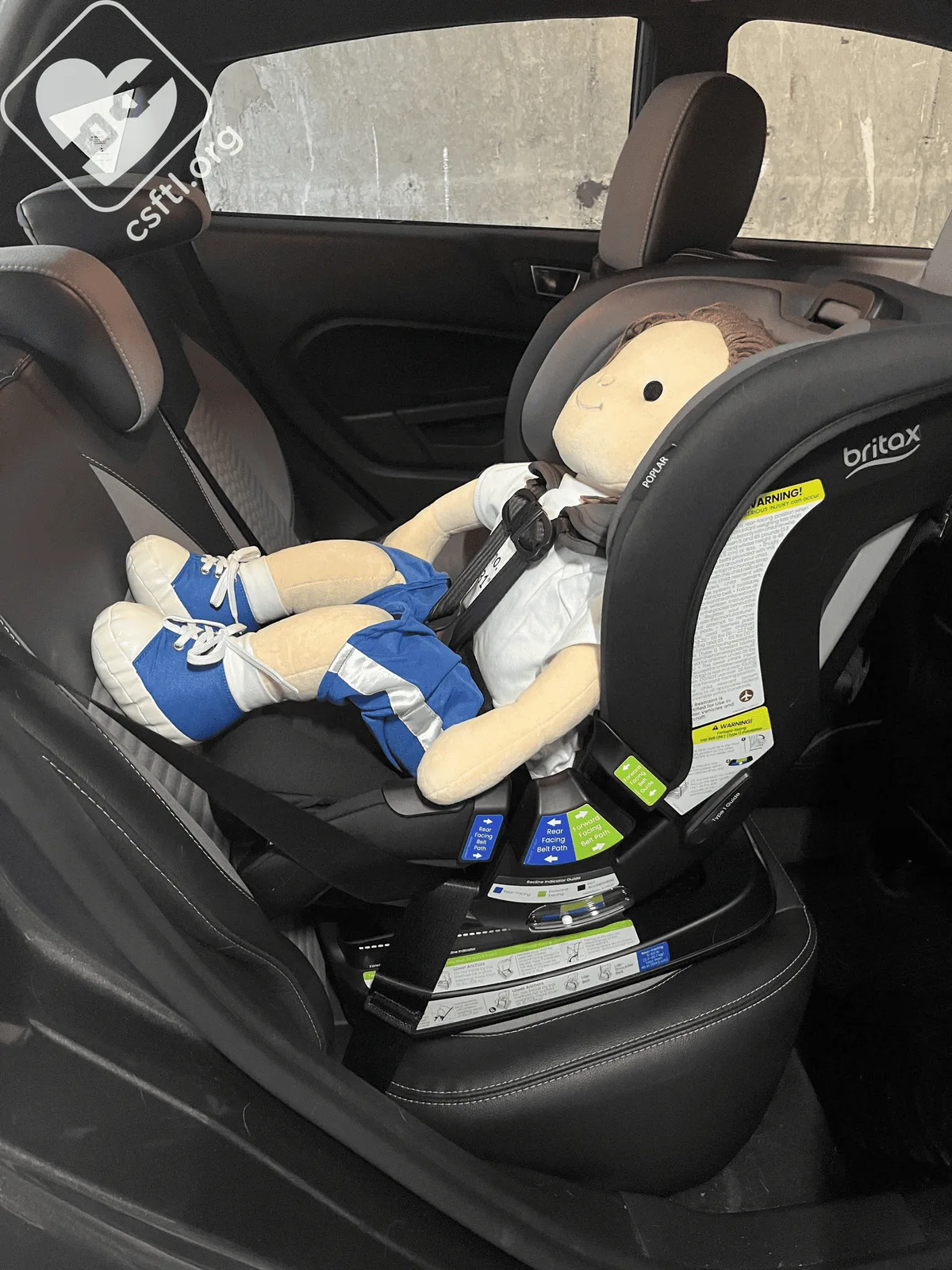
Image source: Web (Bing) / csftl.org (Web image (fair-use with source credit))
Step 1: Find the Date of Manufacture
Every car seat has a Date of Manufacture sticker stamped into the plastic shell. This DOM label tells you exactly when the factory built the unit. Manufacturers set expiration windows between 6 and 10 years from this date.
If your seat has passed that window, the plastics and energy absorbing foam have degraded.
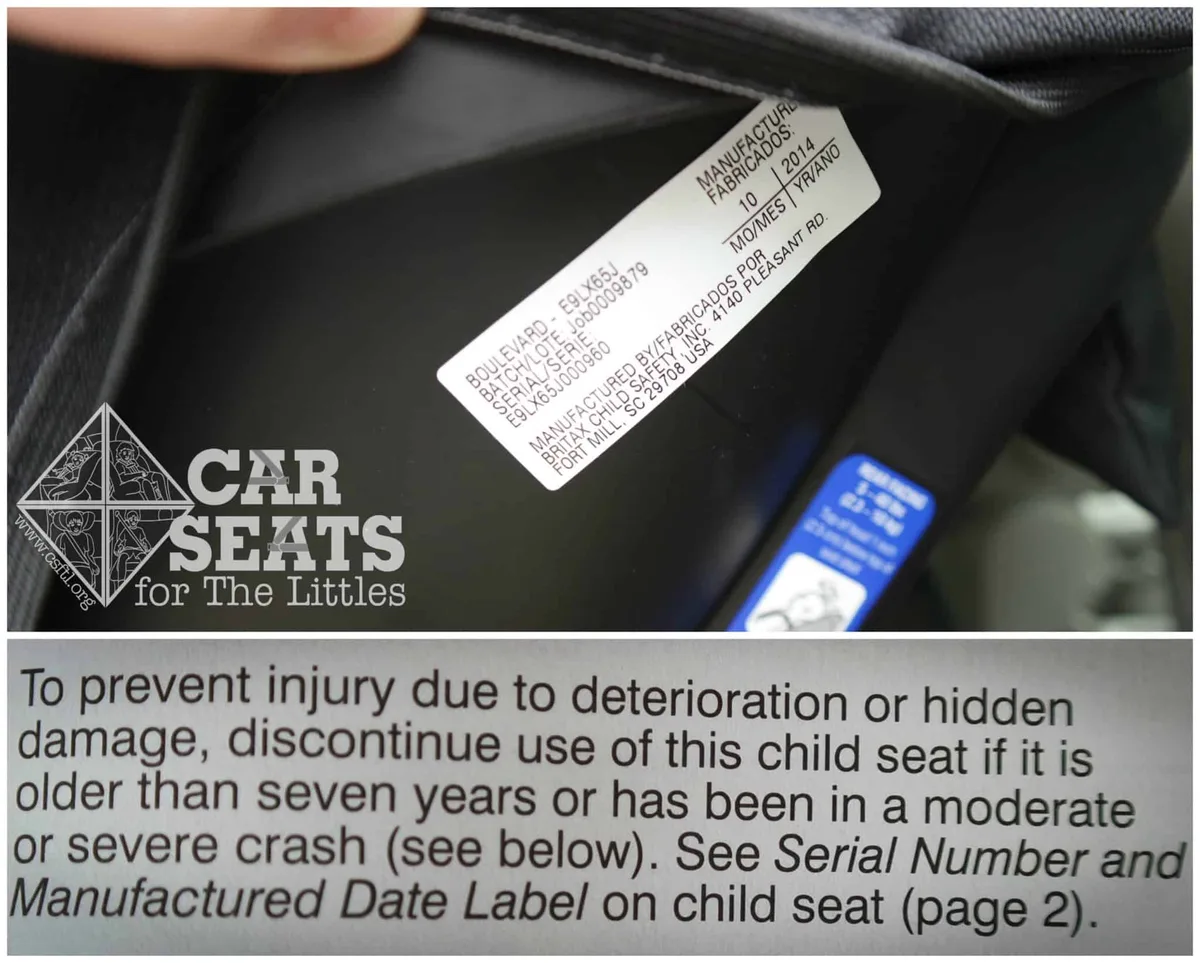
Image source: Bing (Web (fair-use with source credit))
An expired seat provides zero reliable protection for a child. You should never pass one along to another family. Understanding when gear reaches its limit keeps everyone safe.
Write down the month and year printed on that sticker.
Step 2: Verify the Crash History
Did the vehicle experience a collision while this seat was installed? The NHTSA states you must replace a seat after any moderate or severe crash. Some manufacturers require replacement even after minor fender benders.
Check your specific brand's owner manual for their exact post crash rules.
A seat that survived an impact might have invisible micro fractures in the plastic. Those structural weaknesses compromise the entire child restraint system. If you bought the car used and found the seat inside, you cannot verify its history.
Unknown history means the seat automatically fails this safety check.
Step 3: Inspect All Components and Hardware
A complete car seat requires every original part to function correctly. Check the harness webbing and straps for fraying or stretching. Make sure the chest clip and LATCH connectors work smoothly.
Missing buckles or absent instruction manuals render the unit unsafe for reuse.
If you previously had to scrub out tough stains, inspect the fabric padding closely. Harsh chemicals can weaken the harness material over time. If any piece is missing or broken, stop here.
Do not attempt to donate incomplete safety equipment.
| Inspection Point | Pass Condition | Fail Condition |
|---|---|---|
| Expiration Date | Within 6 to 10 year window | Past manufacturer expiration |
| Crash History | Zero accidents ever | Any crash involvement |
| Harness Straps | No fraying or stretching | Visible wear or damage |
| Buckles and Clips | All original parts present | Missing or broken hardware |
| Manual | Included with the seat | Lost or unavailable |
How to Verify Your Local Goodwill’s Car Seat Intake Policy
If your seat passed all three steps above, you move to the next branch of the decision tree. Now you need to find out if your specific community actually accepts them. Never just drop a car seat at a curbside bin.
Anonymous drop offs get thrown straight into the dumpster by sorting staff.
Pick up the phone and call your local Goodwill donation center directly. Do not use the national customer service line. Regional managers set their own intake rules based on local liability laws.
Ask them specifically if they currently accept unexpired, crash free car seats for resale.
If they say yes, ask a few follow up questions. Find out if they require the original instruction manual. Ask if the seat needs professional cleaning beforehand.
Getting clear answers now prevents awkward conversations at the drop off counter.
Keep in mind that policies shift constantly. A location that accepted infant carriers last year might have changed its rules today. Store managers update their guidelines based on new recalls or corporate directives.
Always verify the current status right before you load up your vehicle.
If your local branch says no, do not panic. That simply closes this specific branch of your workflow. You still have excellent alternative options for rehoming safe gear.
We will cover those exact alternatives in the next section.
Where Else to Donate an Unexpired, Crash-Free Car Seat
When Goodwill turns you away, direct handoffs become your best path forward. Hyperlocal community groups offer a fantastic solution for this. Platforms like Buy Nothing or local Facebook gifting groups connect you directly with neighbors.
Handing a seat to someone face to face lets you explain its full history.
Foster care agencies desperately need verified safe gear for emergency placements. Foster parents often receive children with zero notice and absolutely no equipment. Many regional support organizations run dedicated gear closets for this exact purpose.
Call your county foster agency to ask about their current intake requirements.
Women's shelters and family crisis centers also accept donations under strict conditions. Families fleeing dangerous situations rarely have time to pack bulky child restraints. Shelters appreciate receiving clean, unexpired convertible models or infant carriers.
Contact the shelter director first, as many have limited storage space available.
Diaper banks and faith based baby pantries round out your local options. These nonprofits focus on keeping vulnerable families equipped with essentials. Before dropping anything off, ensure the recipient organization actually handles hard goods.
Some pantries only accept consumables like diapers and wipes.
If you recently upgraded to a larger model, passing your old seat directly to a trusted neighbor works well. Direct transfers eliminate the liability worries that block retail thrift stores. Just make sure you include the manual and verify the expiration date together.
You can also look into retailer trade in events. Stores occasionally host recycling drives where they accept old seats responsibly. They usually offer a discount coupon toward a new purchase in return.
This keeps functional materials out of landfills while rewarding your effort.
Always avoid leaving a car seat on the sidewalk with a "free" sign. Scavengers might pick it up without understanding the safety requirements. An expired seat could end up strapped into another family's vehicle.
Responsible rehoming requires intentional, direct communication every single time.
If you are transitioning your child because they outgrew the limits, donating the old seat helps another family afford safe travel. Just stick to verified organizations or people you trust. Keeping the chain of custody transparent protects everyone involved.
How to Safely Dismantle and Dispose of Expired or Crashed Seats
If your seat failed the initial safety check, it must be permanently destroyed. You cannot donate it, sell it, or leave it intact for scavengers. An unsafe car seat poses a deadly risk if another family tries to use it.
Your goal is to make the unit completely unusable before disposal.
Start by taking sharp scissors or a utility knife to the harness webbing and straps. Cut them into multiple short pieces so nobody can thread them back together. Remove the chest clip and buckle mechanisms entirely.
Toss those small hardware pieces into separate trash bags.
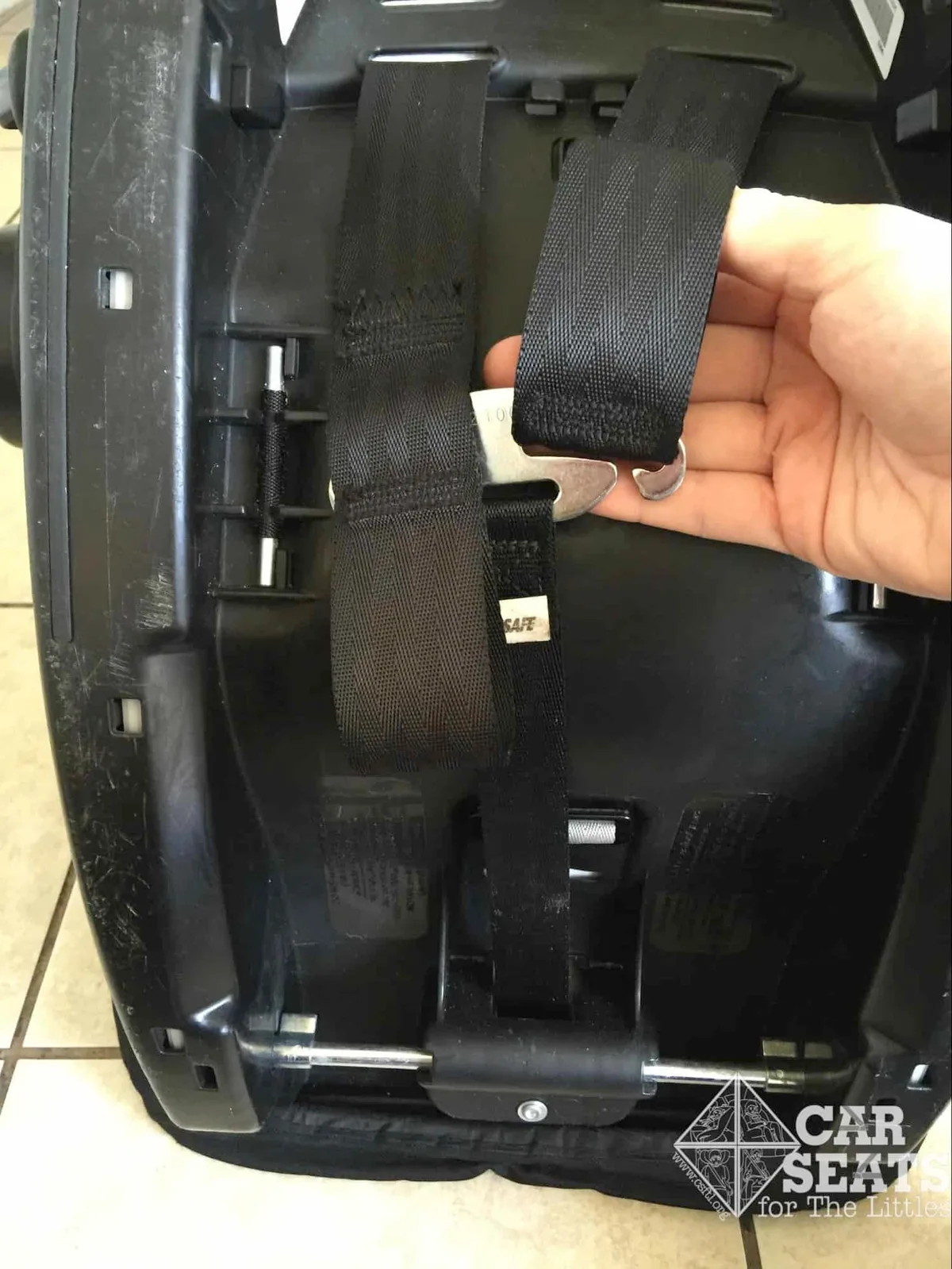
Image source: Bing (Web (fair-use with source credit))
Next, take a thick permanent marker and write directly on the plastic shell. Use large letters to spell out "EXPIRED DO NOT USE" or "CRASHED UNSAFE". Write it across the fabric padding too if you leave the cover attached.
This visual warning stops well meaning strangers from rescuing it out of the trash.
Strip the fabric covers off the rigid plastic frame. Separating the materials makes the seat look like broken junk rather than functional gear. Some municipal recycling centers accept the hard plastics if you remove the metal bars.
Call your local waste management office to ask about mixed material recycling days.
Retailer trade in programs offer the easiest disposal route for ruined seats. Brands like Target run seasonal events where they grind down old units responsibly. You drop off the whole seat without dismantling it yourself.
Check the retailer's website for upcoming event dates in your area.
If no recycling program exists near you, bag the dismantled pieces tightly. Place them inside your regular municipal solid waste bin. Breaking everything down first ensures it fits properly and stays hidden.
Proper disposal is just as valuable as donating a perfectly safe unit.
Taking these extra ten minutes protects another child from riding in compromised gear. It feels wasteful to destroy something that looks fine on the outside. But plastic degradation happens invisibly over those 6 to 10 years.
Trust the manufacturer specifications and dispose of questionable seats without hesitation.
If you need guidance on proper positioning for your next seat, always consult a certified Child Passenger Safety Technician. They can verify your new setup while advising on how to retire the old one. Professional guidance removes the guesswork from child travel safety entirely.
Common Mistakes People Make When Getting Rid of Old Car Seats
Most errors happen because people treat safety gear like regular household clutter. A car seat is not an old winter coat. If you skip the conditional checks we covered earlier, you risk putting another child in danger.
Let us look at the specific traps that catch well meaning parents off guard.
The biggest mistake is assuming a quick visual inspection proves a seat is safe. Plastic degradation happens internally over those 6 to 10 years. You cannot see weakened polymers just by looking at the outer shell.
Manufacturer specs confirm that invisible stress fractures compromise crash performance entirely.
Another common error involves selling used seats on private marketplaces. Listing a secondhand infant carrier online passes unknown liability directly to you. Buyers rarely ask for the Date of Manufacture or check recall databases.
If that seat fails later, you carry the responsibility for providing it.
People also forget to verify active recalls before passing gear along. The Consumer Product Safety Commission tracks mandatory manufacturer fixes and warnings. A seat might look pristine but carry a critical buckle defect.
Always search your model number and serial number against their official database first.
Leaving intact expired seats near curbside trash bins causes serious problems. Scavengers often grab bulky items thinking they found something valuable. They might resell it at a flea market or use it for their own kids.
Dismantling the unit prevents this dangerous cycle completely.
Finally, many families hold onto outgrown models "just in case." Storing them in hot garages accelerates plastic breakdown even faster. If you are wondering how long your little one needs their current setup, plan your disposal timeline early. Hoarding expired equipment creates false security and clutters your home unnecessarily.
| Common Mistake | Why It Is Dangerous | Correct Action |
|---|---|---|
| Relying on visual checks | Internal plastic degrades invisibly | Verify the exact expiration date |
| Selling on marketplaces | Passes hidden liability to strangers | Donate directly or dismantle |
| Skipping recall searches | Defective hardware might be present | Check CPSC database using serial numbers |
| Leaving seats curbside intact | Scavengers will reuse unsafe gear | Cut straps and write warnings on shell |
| Storing seats in hot garages | Heat accelerates polymer breakdown | Dispose promptly after outgrowing |
Frequently Asked Questions
Does Goodwill accept booster seats?
Most regional Goodwill locations reject booster seats alongside standard harness models. Liability concerns apply to all child restraint systems equally. Call your specific donation center before driving over.
Policies vary wildly between neighboring counties.
Can I donate a car seat that was recalled?
You should never donate a recalled car seat under any circumstances. Recalled units contain verified safety defects that put children at risk. Contact the manufacturer directly for replacement parts or disposal instructions.
Destroy the seat if no fix exists.
How do I find my car seat expiration date?
Look for a white or yellow sticker stamped directly into the plastic shell. This label lists both the Date of Manufacture and the final expiration month. Some brands mold the date directly into the back panel.
Check the owner manual if you cannot spot it immediately.
Do thrift stores recycle old car seats?
Standard thrift stores generally do not offer recycling services for bulky plastics. They either accept items for resale or reject them completely. Retailer trade in events handle actual material grinding and recycling.
Municipal waste centers sometimes accept separated hard plastics during special collection days.
Is it illegal to sell a used car seat?
Selling a used car seat is not federally illegal unless it violates an active recall. However, passing along an expired or crashed unit carries massive civil liability risks. Private sales remove the safety verification layer that certified organizations provide.
Direct gifting with full transparency remains much safer.
What happens to donated car seats that fail inspection?
Donation centers that accidentally receive compromised seats typically send them straight to landfills. Sorting staff lack the training to evaluate crash history or structural integrity. That is why calling ahead saves everyone time and effort.
Proper dismantling at home ensures unsafe materials never reach sorting floors.