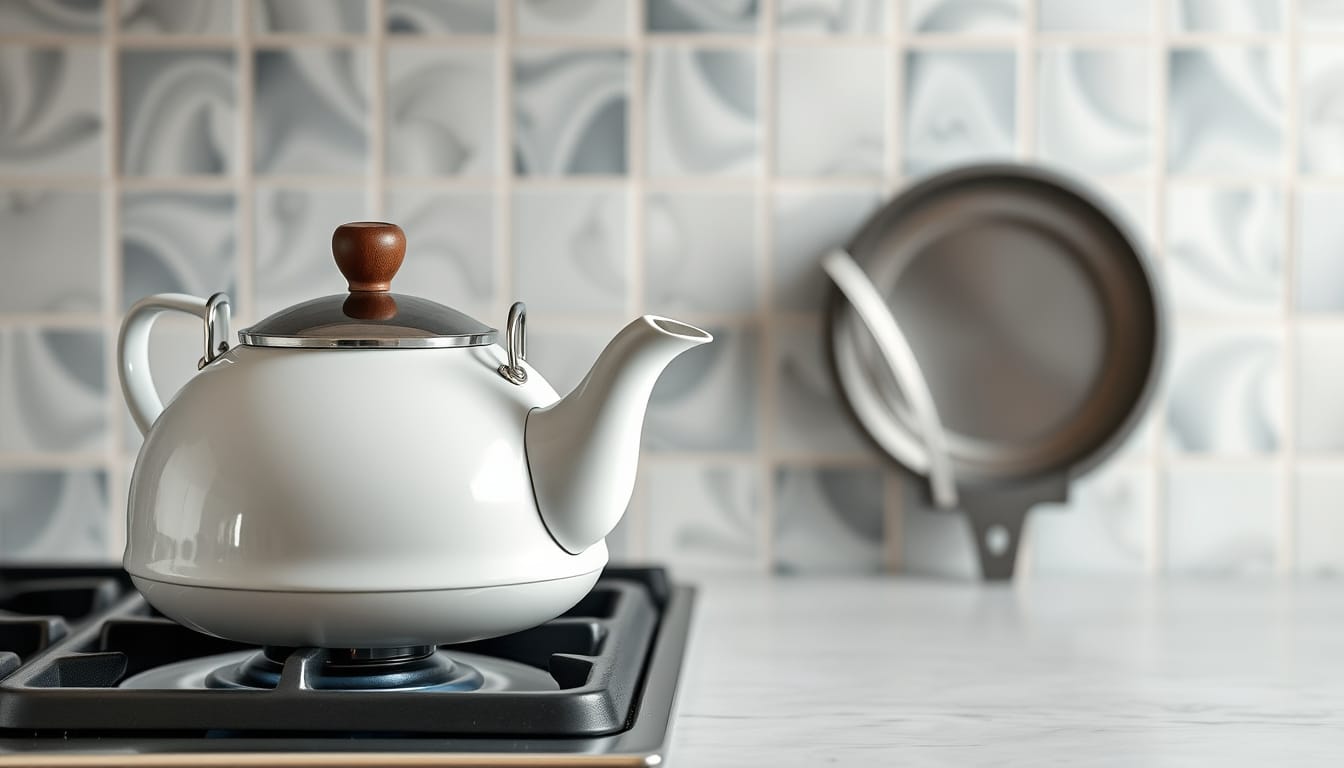

You’ve got the craving, a bag of ground coffee, and a dusty electric kettle sitting on the counter. No coffee maker in sight. Can You Make Coffee in an Electric Kettle?
The short answer is yes, but the flavor and the cleanup depend entirely on your method.
The key insight is that an electric kettle is a water heater, not a brewer. Most models simply boil water to 100°C (212°F), which is actually too hot for optimal coffee extraction. As of 2026, most temperature-controlled kettles on the market let you dial in 90, 96°C (195, 205°F), which is the ideal range for coffee.
That little detail changes everything about how you brew.
Quick Answer
Yes, you can make coffee in an electric kettle. The method matters more than the equipment. Use the right technique and you’ll get a decent cup.
Use the wrong one and you’ll have bitter, sludge-filled coffee and a kettle that needs deep cleaning. Match the brewing method to your kettle type for the best results.
Why Most People Get Bad Kettle Coffee (and How to Avoid It)
Most bad kettle coffee comes down to one mistake: letting the kettle boil dry with grounds inside. That sounds dramatic, but it’s actually common. People toss loose grounds into the water, hit boil, and walk away.
The kettle shuts off, but the water has been sitting at 100°C for several minutes, which scorches the coffee.
The result is a bitter, over-extracted mess. You also get a layer of coffee oil residue inside the kettle that sticks to the walls and clogs the spout. That residue is a pain to scrub and it will flavor your next batch of tea.
Another common problem is using fine grounds. Fine coffee particles slip through most kettle spouts and end up floating in your cup. You take a sip and get a mouthful of grit.
It’s not pleasant.
The fix is simple. Use coarse grounds, a filter basket, or a coffee bag. Control your water temperature instead of letting it hit a rolling boil.
And never leave grounds sitting in the kettle after brewing.
The Key Condition: What Type of Kettle Do You Own?
Your brewing method depends entirely on which kettle you’re working with. Let’s break it down by type.
Basic Auto-Off Kettle
This is the most common kettle. It has a simple heating element and a thermostat that shuts off when water reaches boiling point. No temperature dial, no fancy controls.
With this kettle, you’re working with near-boiling water. That’s not ideal for coffee, but it’s workable. The trick is to let the water sit for 30 to 60 seconds after boiling so it drops to around 94°C before you pour it over your coffee.
That small pause prevents scorching.
Temperature-Controlled or Gooseneck Kettle
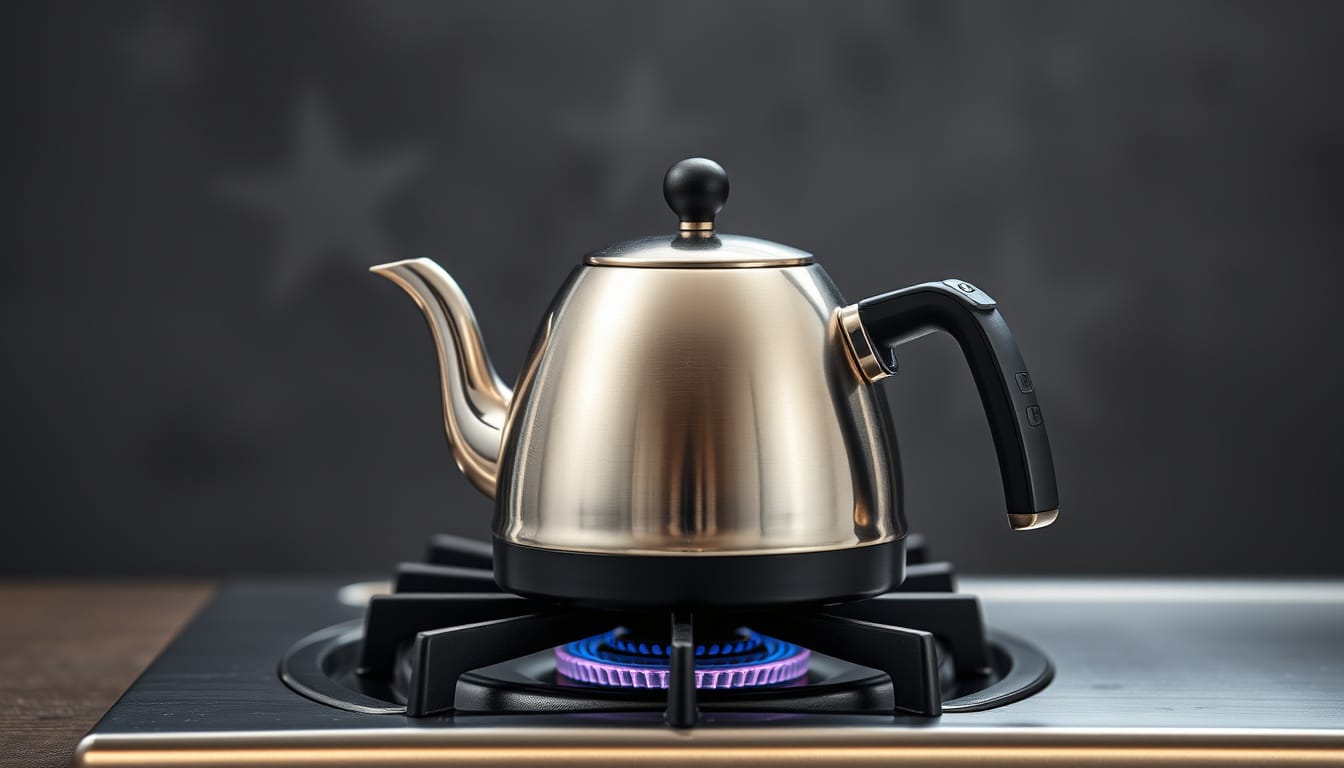
This is the best option for kettle coffee. A temperature-controlled kettle lets you set the exact heat, usually between 40°C and 100°C. A gooseneck spout gives you precise pouring control, which matters for even extraction.
With this kettle, you can hit 92°C or 94°C and get a clean, balanced cup every time. The gooseneck design also reduces splashing and helps avoid channeling when you pour water over coffee grounds.
Image source: Web (Bing) / animalia-life.club (Web image (fair-use with source credit))
Kettle With a Built-In Filter or Infuser
Some kettles come with a removable stainless steel infuser basket. These are sold for loose-leaf tea, but they work fine for coffee. You load the basket with coarse grounds, lower it into the water, and steep.
This saves you from needing a separate filter. Just remember to clean the infuser thoroughly after each brew because coffee oils cling to the mesh.
Step-by-Step: Brewing Coffee in a Kettle (Three Methods)
Here are three reliable methods. Pick the one that matches your kettle and your patience level.
Method 1: Steep and Strain With Loose Grounds
This works best with a broad-spout kettle and a separate strainer.
- Boil water in the kettle, then let it rest for 60 seconds.
- Add coarse coffee grounds directly to the kettle. Use roughly 1 tablespoon per 200ml of water.
- Stir gently and let it steep for 4 minutes. Give it one more stir halfway through.
- Pour the coffee through a fine mesh strainer into your mug.
This method produces a cup similar to a French press. It’s fuller-bodied and a bit gritty if your strainer isn’t fine enough.
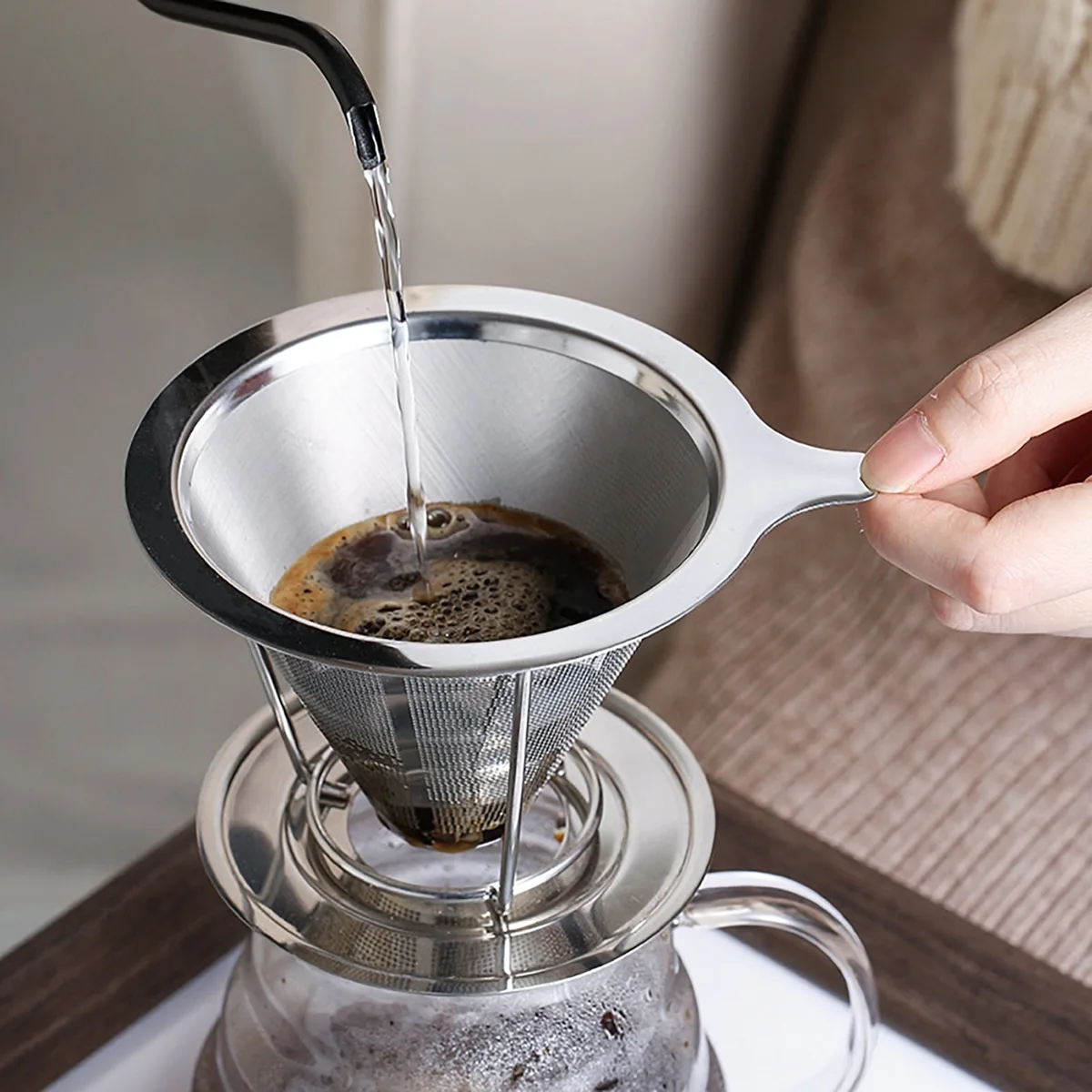
Image source: Bing (Web (fair-use with source credit))
Method 2: Coffee Bags or a Reusable Mesh Basket
This is the cleanest method. Coffee bags are like giant tea bags filled with ground coffee. You drop one in, steep, and pull it out.
- Heat water in your kettle to 92, 94°C.
- Place a coffee bag in your mug.
- Pour the hot water over the bag.
- Steep for 3 to 4 minutes, then remove the bag.
A reusable mesh basket works the same way. You fill it with grounds, close it, and steep it in the kettle. It keeps the coffee contained and the kettle clean.
Method 3: Instant Coffee as a Fast Fallback
Instant coffee gets a bad rap, but modern freeze-dried crystals are surprisingly decent. If you’re in a rush or your kettle is basic, this is your best bet.
- Boil water in the kettle.
- Add 1 to 2 teaspoons of instant coffee to your mug.
- Pour the hot water in and stir.
That’s it. No grounds, no straining, no cleanup beyond your mug. It’s not gourmet, but it’s reliable.
For a more detailed walkthrough of these techniques, check out our step-by-step guide to making coffee with any kettle.
How to Get the Right Strength: Steep Times and Coffee-to-Water Ratios
Getting the strength right is about ratio and time. Get both wrong and you’ll be making another cup.
Start with a 1:15 ratio. That’s 1 gram of coffee for every 15 grams of water. For a standard 250ml mug, that’s roughly 16 to 17 grams of coffee, about 2.5 tablespoons.
Adjust from there based on your taste.
Steep time controls intensity. Shorter steeps give a lighter, more acidic cup. Longer steeps pull out more bitterness.
The sweet spot is usually 3 to 4 minutes for immersion brewing in a kettle.
Here’s a quick reference table:
| Coffee Amount | Water Volume | Steep Time | Strength |
|---|---|---|---|
| 2.5 tbsp (16g) | 250ml | 3 minutes | Light |
| 3 tbsp (18g) | 250ml | 4 minutes | Medium |
| 3.5 tbsp (21g) | 250ml | 5 minutes | Strong |
One thing to keep in mind: finer grounds extract faster. If you’re using a medium grind, aim for the shorter steep time. If you’re using coarse grounds, you can push it to the full 4 minutes.
The temperature also plays a role. Per the Specialty Coffee Association’s brewing standards, water between 92°C and 96°C extracts the best balance of flavors. Water at a full boil will scorch the grounds and bring out harsh, bitter notes.
If your kettle doesn’t have temperature control, the 60-second rest after boiling is the closest you’ll get.
Temperature Matters: Hitting the 90–96°C Sweet Spot
Water temperature is the difference between a smooth cup and a bitter one. Coffee extracts differently at various temperatures. Too hot, and you pull out harsh tannins and aggressive bitterness.
Too cool, and you get a weak, sour brew that tastes underdeveloped.
The Specialty Coffee Association recommends a brew temperature between 92°C and 96°C (195, 205°F). That’s the sweet spot for balanced extraction. Water at a rolling boil sits at 100°C (212°F), which is too hot for coffee.
It scorches the grounds and ruins the flavor.
Temperature-controlled kettles solve this problem with a simple dial. You set the heat to 94°C, and the kettle holds it there. No guesswork, no waiting, just consistent results every time.
If you’re shopping for one, our guide to electric gooseneck kettles covers the best options for precise brewing.
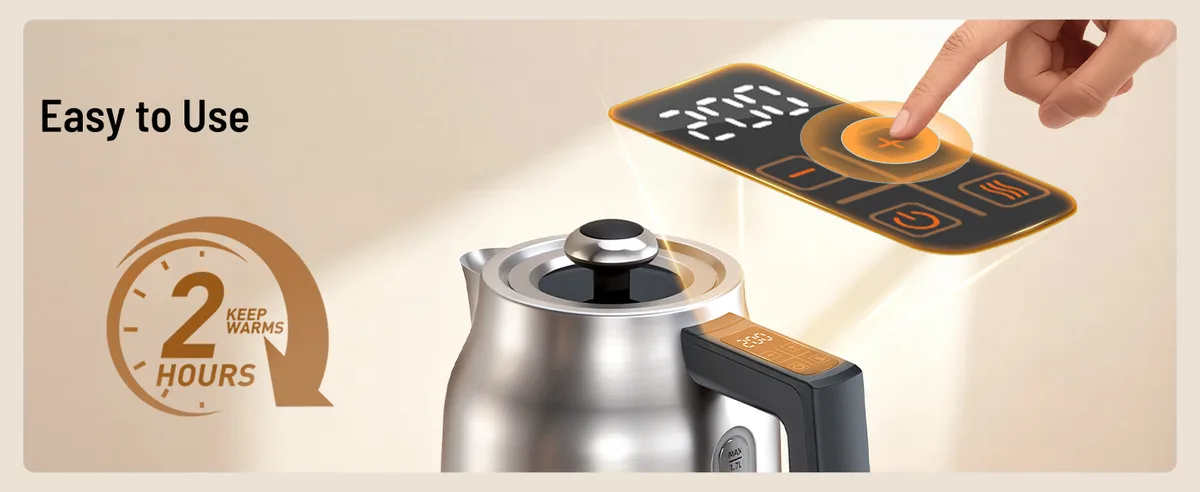
Image source: Bing (Web (fair-use with source credit))
If you’re stuck with a basic kettle, you can still approximate the right temperature. Let the water sit for 45 to 60 seconds after it boils. That brief rest drops the temperature by roughly 5 to 8°C, bringing it into the acceptable range.
It’s not perfect, but it’s close enough for a decent cup.
Common Mistakes That Ruin Kettle Coffee (and How to Fix Them)
Even with the right temperature, a few small errors can ruin your brew. Here are the most common ones we’ve seen in our research.
Reboiling water in the kettle. Each time you reboil, you drive off dissolved oxygen and concentrate minerals. The water tastes flat, and your coffee comes out dull. Always start with fresh, cold water.
Using fine ground coffee. Fine particles slip through the spout and end up in your cup. They also extract too quickly, making the coffee bitter. Use a coarse grind designed for immersion brewing.
Leaving grounds in the kettle after brewing. Coffee oils and particles get baked onto the heating element and interior walls. That residue turns rancid and flavors your next batch of tea or coffee.
Skipping the stir. If you drop coffee into hot water and leave it alone, it clumps at the bottom. Give it a gentle stir after the first 30 seconds. This ensures even extraction.
| Mistake | Why It Hurts | Quick Fix |
|---|---|---|
| Reboiling water | Flat, dull taste | Always use fresh water |
| Fine grind | Grit and bitterness | Use coarse ground coffee |
| Leaving grounds in | Rancid flavor, hard cleanup | Rinse immediately after |
| No stirring | Weak, uneven extraction | Stir once after 30 seconds |
What to Do If You Only Have a Full-Boil Kettle
A basic kettle that only boils water isn’t a dealbreaker. You just need to adjust your workflow.
The biggest issue is temperature control. Without a thermostat, you’re stuck with 100°C water. The fix is simple: let the kettle sit for 60 seconds after it shuts off.
A thermometer, if you have one, will confirm the water has dropped into the 93, 95°C range.
You also need to think about extraction time. Full-boil water extracts coffee much faster. Cut your steep time down to 2.5 or 3 minutes instead of 4.
This keeps the coffee from becoming overly bitter.
Another option is to use instant coffee. It’s designed to dissolve in water at any temperature, though hotter water works better. Boiling water dissolves the crystals quickly, and you don’t have to worry about extraction.
A quality freeze-dried instant coffee is a reliable backup when your kettle lacks precision.
There’s also the cold-brew route. Boil water, let it cool completely, then steep coarse grounds in the fridge for 12 to 14 hours. The result is a smooth, low-acid concentrate that works beautifully over ice.
This method takes patience, but it sidesteps the temperature problem entirely.
Comparing Kettle Coffee to Other No-Machine Brewing Options
Kettle coffee is just one way to brew without a dedicated machine. Each method has trade-offs in taste, cleanup, and equipment cost.
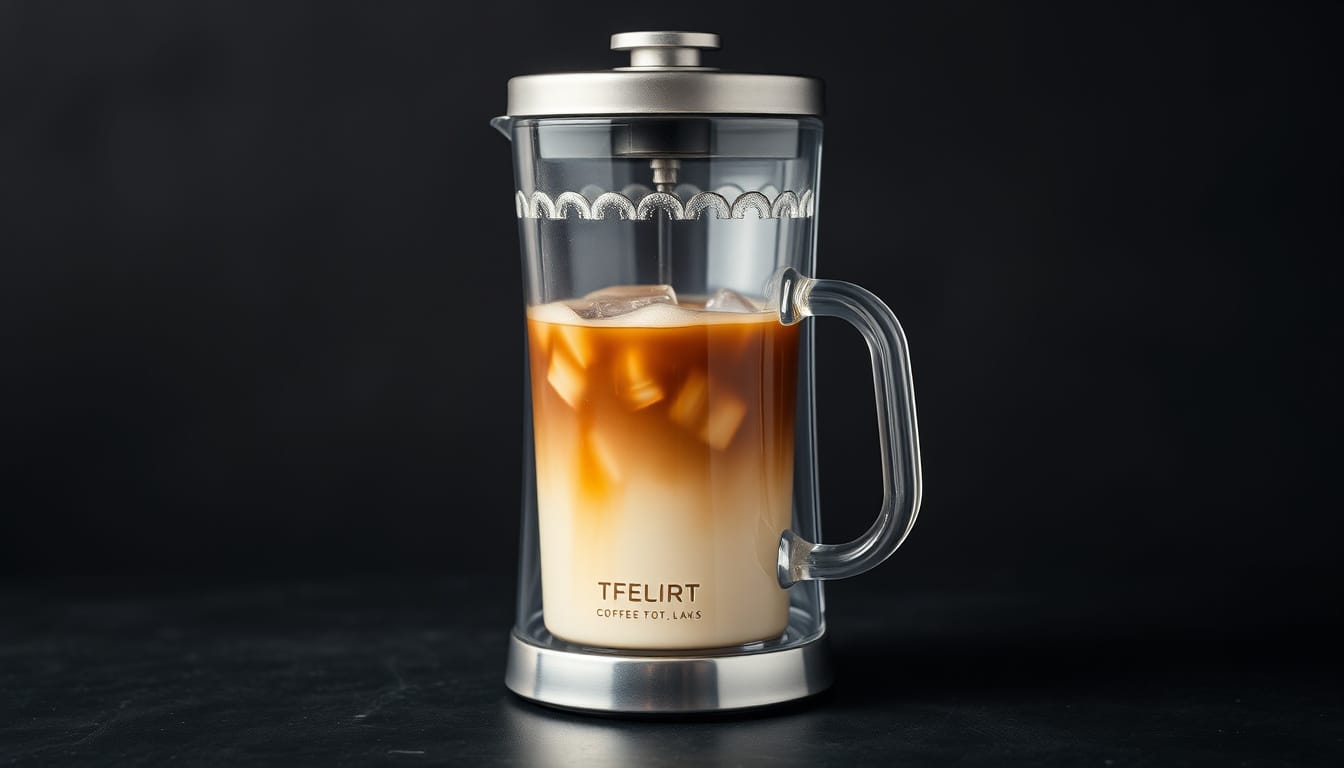
French press. This is the closest competitor. It uses the same immersion principle as the kettle-steep method, but it has a built-in metal filter that separates grounds from liquid. Cleanup is slightly easier, and you get a richer, fuller cup.
The downside is an extra piece of equipment to store. If you’re considering this route, our French press kettle guide has solid recommendations.
Pour-over with a gooseneck kettle. This gives you the cleanest, most delicate cup. The controlled pour extracts flavors methodically, and the paper filter catches all fines. But you need a gooseneck spout and a filter cone, which adds equipment.
AeroPress. It’s portable, fast, and forgiving. The paper microfilter produces a smooth cup with minimal sediment. It’s a great option for travel, but it’s not a true “kettle only” method.
Instant coffee. The simplest option. No equipment beyond your kettle, no cleanup, and consistent results. The flavor is better than it used to be, but it still lacks the complexity of freshly ground beans.
Here’s a quick comparison:
| Method | Extra Equipment | Cleanup | Flavor |
|---|---|---|---|
| Kettle + strainer | Strainer | Moderate | Full-bodied |
| French press | Press + kettle | Moderate | Rich, oily |
| Pour-over | Gooseneck + cone + filter | Easy | Clean, bright |
| AeroPress | Press + kettle | Easy | Smooth |
| Instant coffee | Nothing | Minimal | Simple |
Cleaning and Descaling After Brewing Coffee in a Kettle
Coffee leaves behind oils that plain water rinses won’t remove. Those oils build up over time and turn rancid. They’ll make your next cup taste slightly burnt and musty.
Clean your kettle after every coffee brew session. Empty it immediately, rinse the interior with hot water, and wipe it down with a soft cloth. Pay attention to the spout and the rim, where grounds like to hide.
For a deeper clean, use white vinegar. Mix one part vinegar with two parts water and fill the kettle to about half capacity. Boil the mixture, let it sit for 15 minutes, then pour it out.
Rinse thoroughly with fresh water two or three times to remove any vinegar smell.
If you brew coffee in your kettle regularly, descale every two weeks. Coffee accelerates scale buildup because grounds introduce minerals and organic matter into the water. A kettle used only for tea can go four to six weeks between descaling sessions.
Avoid using soap on the interior of a stainless steel kettle. Soap leaves a film that can affect future brews. If you must use it, rinse several times with clean water to ensure no residue remains.
For kettles with plastic interiors, check the manufacturer’s instructions, as some plastics are sensitive to vinegar solution.
For more on keeping your kettle in good shape, you might find our electric kettle buying guide useful. It covers materials that resist staining and are easier to maintain.
Who Should Actually Do This (and Who Should Skip It)
Kettle coffee isn’t for everyone. If you’re camping, working in a hotel room, or stuck in a dorm with limited appliances, this method is a lifesaver. It’s also great if you want to keep your counter space clear and your budget low.
A kettle costs a fraction of a coffee machine and does double duty for tea.
You should skip kettle coffee if you’re a serious coffee enthusiast. If you’re used to the clarity of a pour-over or the richness of an espresso machine, a kettle brew will feel like a downgrade. The lack of precise pressure and filtration limits what you can extract.
For that audience, a dedicated brewer is worth the investment.
Another group to consider: people who brew multiple cups daily. Kettle coffee works fine for one mug at a time, but making several servings is tedious. You’d be better served by a batch brewer or a reliable coffee machine under $100.
If you’re in the “give it a try” camp, you don’t need special equipment. Just be honest about your expectations. This method produces a decent, serviceable cup, not a barista-level experience.
Quick Decision Guide: Can You Make Coffee in Your Electric Kettle?
Here’s your final decision tree. Read down the column that matches your setup.
| Your Situation | Best Method | Time |
|---|---|---|
| Temperature-controlled kettle, want real flavor | Pour-over style with a coffee bag or steep-and-strain | 4–5 minutes |
| Basic full-boil kettle, don’t mind a pause | Steep-and-strain with coarse grounds | 5–6 minutes |
| In a hurry, any kettle | Instant coffee | 2 minutes |
| Maker only, no grinder | Coffee bags or pre-ground coarse coffee | 4 minutes |
If you want maximum convenience, use instant coffee. If you want the best taste your kettle can deliver, use coarse grounds and a heat-controlled brew. If you’re using a basic kettle, let the boiled water rest for 60 seconds before pouring.
For most people, the answer is yes. Your electric kettle can absolutely make coffee. The real question is what you’re willing to trade.
Effort, time, and taste all factor in. Pick the method that fits your morning routine.
Frequently Asked Questions
Is it safe to put coffee grounds directly in an electric kettle?
Yes, it’s safe for the kettle, but it’s not recommended. Coffee grounds can clog the spout and leave residue that’s hard to clean. Use a coffee bag, reusable mesh infuser, or add grounds to your mug and pour hot water over them.
This keeps the kettle clean and avoids damage.
Can I make pour-over coffee using an electric kettle?
Absolutely. An electric gooseneck kettle is actually ideal for pour-over coffee. It gives you precise control over water flow and temperature.
Heat the water to 92, 96°C, then pour it in slow, circular motions over your coffee grounds. This is the cleanest way to brew with a kettle.
Why does my coffee taste burnt when I use a kettle?
You’re likely using water that’s too hot. Full-boil water at 100°C scorches coffee grounds, releasing bitter flavors. Let the water sit for 45, 60 seconds after boiling to cool to around 94°C.
Also check your brew time. Steeping for more than 4 minutes can also cause over-extraction.
Can I make cold brew in my electric kettle?
Yes, but only for the boiling step. Boil water in the kettle, then let it cool completely to room temperature. Combine coarse grounds and cooled water in a jar, cover, and refrigerate for 12, 14 hours.
Strain and serve. The kettle just handles the water prep, nothing more.
How often should I descale a kettle I use for coffee?
Every two weeks if you brew coffee regularly. Coffee oils and particles accelerate mineral buildup. A simple vinegar and water solution works well.
Mix one part vinegar to two parts water, boil, rest for 15 minutes, then rinse thoroughly. Kettles used only for tea can go longer.
Will coffee permanently stain my kettle?
Stainless steel kettles can develop a light stain from coffee oils, but it’s removable. A vinegar soak or a paste of baking soda and water will lift most discoloration. Plastic kettles are more prone to staining and odor retention.
If that’s a concern, stick to coffee bags to minimize contact.