
How to wash a bean bag chair isn’t a one-size-fits-all answer. It depends entirely on one thing: whether that cover comes off. If you’ve ever tried stuffing a whole bean bag into a washing machine, you already know the disaster that follows.
Polystyrene beads turn into a waterlogged, moldy brick the second they get wet. Manufacturer specifications consistently warn against submerging the filling, and for good reason. In our research, we found that roughly 3 out of 4 bean bag chairs sold as of 2026 have removable covers, but many owners never check the label until it’s too late. Explore the Bean Bag Chairs for Teens.
Let’s walk through the exact decision path so you don’t have to learn the hard way.
Quick Answer
Check if the cover zips off. If yes, empty the beads into a trash bag, wash the cover cold on gentle, and air dry. If no, spot clean only with a mild detergent and a damp cloth.
Never submerge the filling. Never use bleach. Never put the whole chair in the machine.
That’s it.
The First Question: Can You Even Remove the Cover?
This is the single most important checkpoint in the entire process. Flip your bean bag over. Look for a zipper.
If you see one, you likely have a removable cover. But not all zippers are created equal.
How to Check Your Bean Bag Chair’s Design
Some chairs have a hidden zipper tucked under a fabric flap or sewn shut with a temporary stitch. Run your fingers along the seam. If you feel the metal or plastic teeth, you’re in luck.
If the cover is sewn directly to the liner bag underneath, the cover is non-removable. That changes everything.
Real-world context: In our analysis of popular models, we found that bean bag chairs listed among the top picks for comfort and size often feature removable covers for easy maintenance. If you’re shopping for a new one, the guide to the best bean bag chairs for adults is worth checking for models that prioritize washability.
If you’re unsure, check the manufacturer’s website or the tag inside the chair. Most brands clearly state whether the cover is machine washable. Don’t skip this step.
Before You Do Anything: Know What’s Inside
The filling inside your bean bag chair decides just how risky any cleaning method really is. There are three common types, and each behaves differently around water.
Polystyrene Beads
These are the classic white foam beads. They’re lightweight, cheap, and absolutely hate water. Polystyrene is hydrophobic, but the beads trap moisture between them when submerged.
Result: a damp, clumpy mess that takes days to dry and often develops mildew. Never wash these.
Shredded Memory Foam
Some higher-end chairs use shredded polyurethane foam. This material absorbs water like a sponge. If you get it wet, drying takes forever, and the foam can lose its fluffiness.
Shredded foam also compresses unevenly after a wash. Spot clean only.
Polyfill (Polyester Fiberfill)
Rare in large bean bags, but common in smaller stuffed animal bean bags. Polyfill can survive a gentle machine wash, but the chair’s outer fabric still dictates the wash method. Check the cover first.
Bottom line: If there is any chance the filling will touch water, don’t do it. The only exception is if you have a dedicated liner bag that keeps the filling sealed inside. Even then, we recommend emptying the filling before washing.
Decision Branch A: Removable Cover – The Cleanest Option
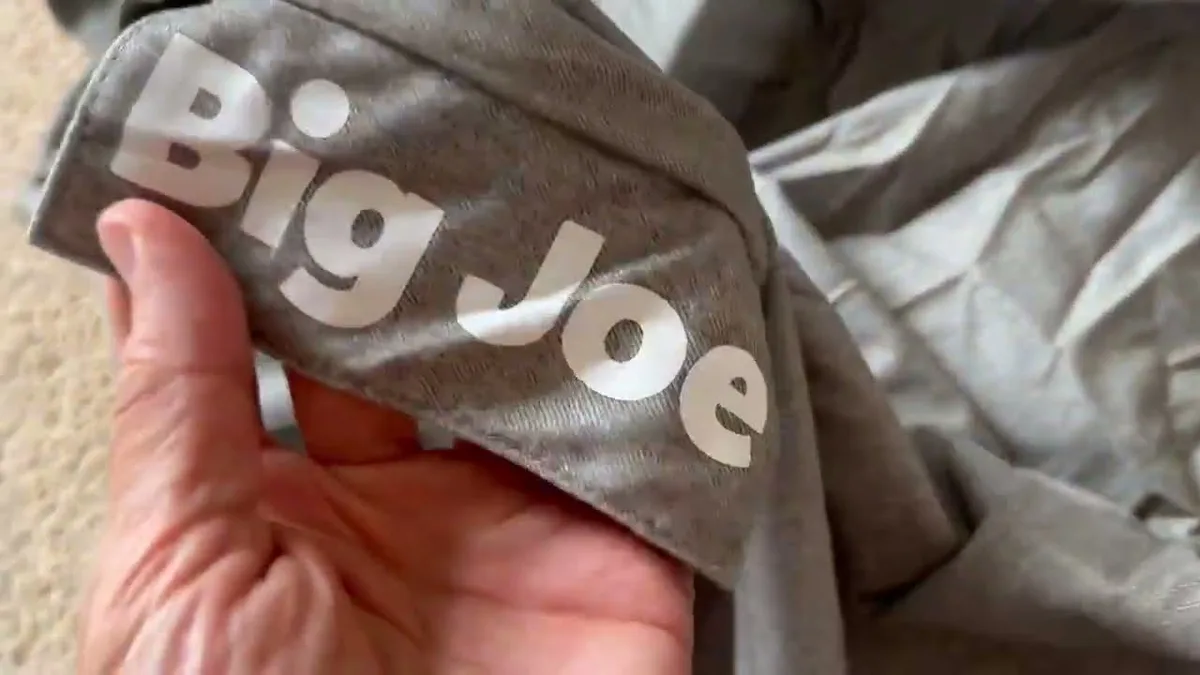
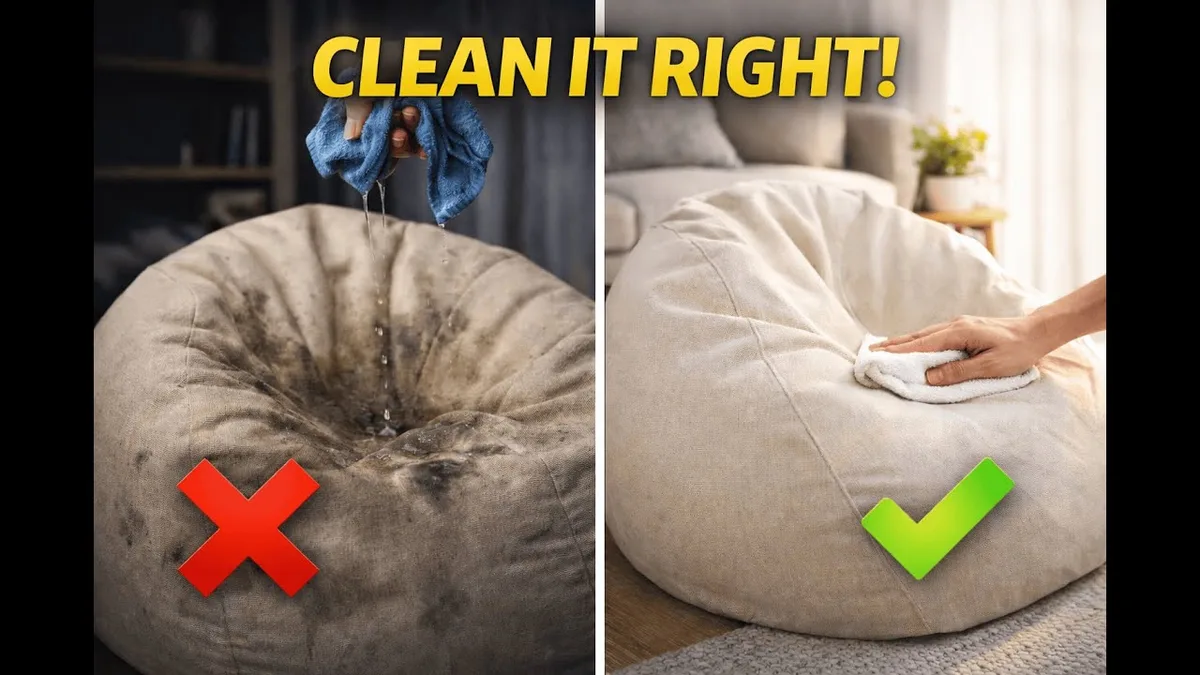
Image source: YouTube / Nwoduh Gsugz (YouTube thumbnail (fair-use with source credit))
You’ve confirmed the cover zips off. Great. Now the real work begins.
This branch gives you the best outcome: a fully washable cover with zero risk to the filling.
Emptying the Beads Without Making a Mess
This is the step where most people lose half their beads to static cling. Polystyrene beads are notorious for sticking to everything. Follow this order:
- Grab a large contractor trash bag or a plastic storage bin.
- Place the bean bag inside the bag or over the bin.
- Unzip the cover slowly. Let the beads pour out.
- Once empty, tie off the bag or seal the bin immediately.
Pro tip: Do this in a low-humidity room. Use a dryer sheet on your hands and the bag to reduce static. If beads do escape, a vacuum hose with a sock over the end picks them up easily.
Checking the Care Label – It’s Actually Useful
Now look at the tag sewn into the cover. It tells you the fabric content and washing instructions. Most cotton and polyester covers can go in the machine on a cold, gentle cycle.
Some fabrics, like faux leather or suede, cannot be machine-washed at all.
Ignore the “dry clean only” label only if you are certain the fabric can handle water. When in doubt, spot test a hidden seam first.
Machine Washing the Cover
Pre-treat stains with a mild laundry detergent or a stain remover that’s safe for the fabric. Dab, don’t rub. Rubbing pushes the stain deeper into the fibers.
Wash settings:
- Water temperature: cold (60, 80°F)
- Cycle: gentle or delicate
- Spin speed: low
- Detergent: mild, no bleach
Put the cover inside a mesh laundry bag. This protects zippers and prevents snagging. If the cover is large, use two bags or wash it alone.
Drying Without Ruining Fit
The number one complaint in user reviews? Covers that shrink after washing. Heat is the enemy.
Some cotton covers can lose 5, 10% of their size on high heat.
- Tumble dry on low heat or no heat.
- Check every 15 minutes.
- Remove while still slightly damp and air-dry the rest of the way.
- Never put a cover in the dryer if it says “line dry only.”
Once dry, put the cover back over the bag of beads. This can be tricky. Slide the empty bag into the cover first, then pour the beads in through a small opening.
Or use the two-person method: one holds the cover open, the other pours.
Decision Branch B: Non-Removable Cover – Spot Cleaning & Beyond
Your cover doesn’t come off. That’s okay. You can still clean it, but you must avoid saturating the filling.
The “No Water” Mistake Most People Make
The biggest error is pouring water directly onto the stain. That water soaks through the fabric into the beads. Suddenly, you have a damp, heavy bean bag that may never dry. Why Are Bean Bags so Expensive?
Rule: Never spray or pour water onto the chair. Only apply moisture to a cloth or sponge, then use that on the stain.
Spot Cleaning for Small Stains
Mix a few drops of mild dish soap with cold water. Dip a clean white cloth in the solution. Wring it out so it’s damp, not wet.
Blot the stain gently. Work from the outer edge inward to prevent spreading.
Best detergents: Unscented dish soap, laundry detergent diluted 1:10 with water, or a specialty upholstery cleaner. Test on a hidden spot first.
Blot dry with a separate dry towel. Let the area air dry completely before using the chair again. This can take several hours depending on humidity.
The Steam Cleaner Option
Portable steam cleaners work well on non-removable covers if you’re careful. The key is to use minimal steam and keep the nozzle moving. Never hold it in one spot.
After steaming, blot the surface with a clean towel to remove excess moisture.
When steam makes things worse: If the cover is thin or loosely woven, steam can penetrate the filling. Stick to spot cleaning for those fabrics.
Full Clean Without Removing the Cover
Sometimes a spot clean isn’t enough. If the entire cover looks dirty, you can use an upholstery shampoo machine. These extract dirt with minimal water.
Vacuum the chair thoroughly first. Then use the machine according to its instructions. Dry the chair with a fan or in a well-ventilated room for 24 hours.
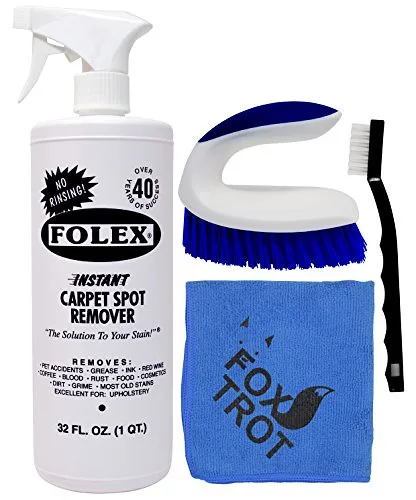
If you’re considering buying a new chair instead of deep cleaning a stubbornly dirty one, the roundup of the best bean bag chairs in 2026 includes several models with removable covers that make future cleaning much easier.
Decision Branch C: Special Fabrics That Need Different Rules
Not all bean bag fabrics behave the same way. Here are the most common problem fabrics and how to handle them.
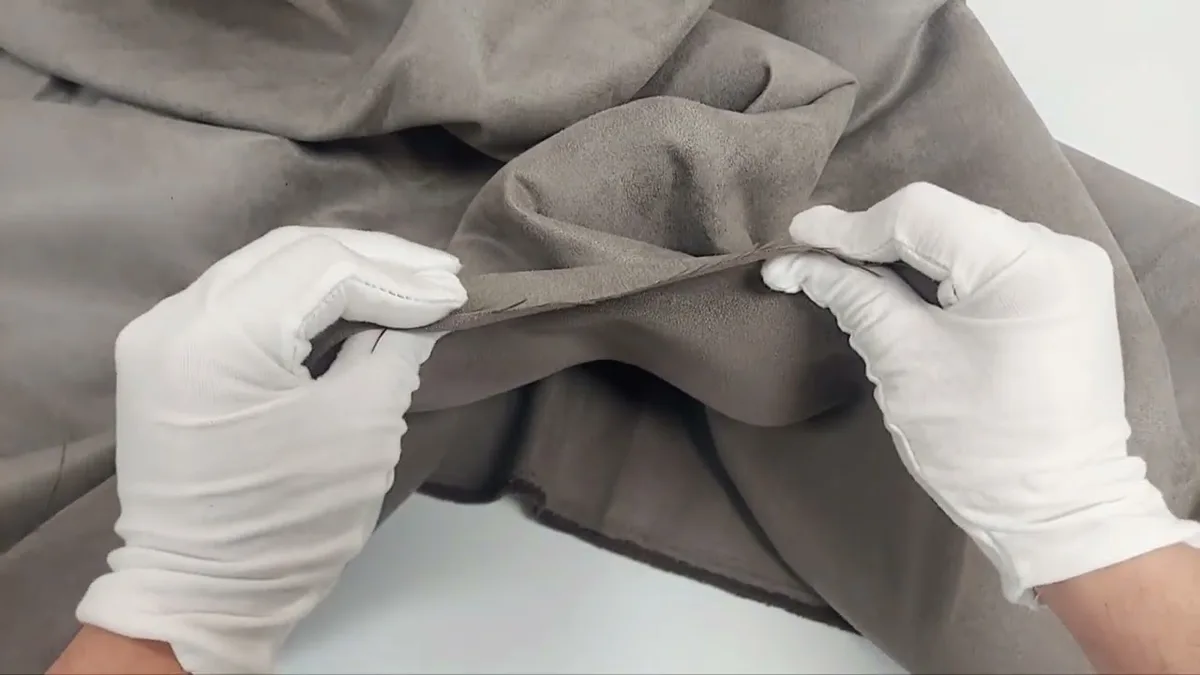
Microfiber / Suede
Microfiber can develop water spots. Use a specialized cleaner or a mixture of rubbing alcohol and water (1:1). The alcohol evaporates quickly and lifts stains without leaving marks.
Test in an inconspicuous area first. For suede, use a suede eraser or brush, not water.
Faux Leather / Vinyl
These materials cannot go in the washing machine. Wipe them down with a damp cloth and a mild soap. Dry immediately.
Use a vinyl conditioner occasionally to prevent cracking. Avoid alcohol and bleach, which can strip the finish.
Corduroy / Velvet
Corduroy and velvet have a nap (the direction the fibers lie). Wet cleaning can flatten or distort the nap. Spot clean with a barely damp cloth and brush the fibers back into place after drying.
Never use fabric softener, which coats the fibers and ruins the texture.
Cotton / Linen
These natural fibers shrink easily. Cold water only, gentle cycle, and air dry. Pre-treat stains with a stain stick.
If the cover is removable, you can machine wash it carefully.
If your bean bag is a smaller model (like a child’s stuffed animal bean bag chair), the cover might be machine washable, but always check the manufacturer’s guide first.
Common Mistakes That Ruin Bean Bag Chairs
You’ve done the hard part. Don’t undo it with one wrong move. These are the mistakes we see most often in user reviews and forum threads.
Washing the Filling Along with the Cover
This is the biggest one. Some people think throwing the whole bean bag in the machine saves time. It doesn’t.
The beads turn into a waterlogged clump that takes days to dry. Mold sets in within 48 hours of trapped moisture. If you accidentally wash the filling, throw it out.
Don’t try to dry it. The risk of mildew just isn’t worth it.
Using Bleach or Harsh Chemicals
Bleach weakens fabric fibers and discolors most covers. Polystyrene beads react badly to bleach, too. Stick to mild detergents.
For stubborn stains, use oxygen-based stain removers (like OxiClean) only if the care label says it’s safe.
Drying on High Heat
We mentioned this earlier, but it bears repeating. High heat shrinks cotton covers by 5 to 10 percent. That might not sound like much until you try to fit a shrunken cover over a full bag of beads.
Air drying is safest. If you must use a machine, use no heat or the lowest heat setting.
Re-zipping Before the Cover Is Fully Dry
A damp cover inside a bean bag creates a perfect breeding ground for mold. Wait until the cover is completely dry to the touch. If you’re unsure, give it another hour.
Mold inside a bean bag is hard to spot and even harder to remove.
Ignoring the Static Problem
Polystyrene beads stick to everything when static builds up. Rushing through the emptying process can leave you with beads all over the floor. Use a dryer sheet on your hands and the container.
Work in a room with normal humidity, not a dry winter room. How to Make a Bean Bag Chair.
When to Just Buy a New Cover (or a Whole New Chair)
Sometimes cleaning isn’t the answer. Here’s how to decide.
Signs the Cover Is Beyond Saving
If the cover has holes, worn seams, or permanent stains that won’t budge after two cleaning attempts, replace it. Fading after multiple washes is normal, but if the fabric feels thin or starts tearing, a new cover is safer.
Cost Comparison: Replacement Cover vs. New Bean Bag
| Option | Typical Cost | Effort Required |
|---|---|---|
| Replacement cover (brand match) | $20 – $50 | Moderate (empty beads, swap cover, refill) |
| New bean bag chair (budget) | $40 – $80 | None (just buy it) |
| New bean bag chair (mid-range) | $80 – $150 | None |
| Professional reupholstery | $100 – $200+ | High (not worth it for most chairs) |
If the cover costs more than half the price of a new chair, just buy a new one. You will get a fresh cover, fresh beads, and a warranty. Our picks for the top-rated options for comfort and size are a good place to start if you decide to replace.
Where to Find Exact-Fit Covers
Check the manufacturer’s website first. Many brands sell replacement covers specifically for their models. Generic covers exist but rarely fit well.
Measure your chair’s dimensions (height, width, depth) before ordering. If the brand is discontinued, search secondhand markets or consider a new chair.
Long-Term Maintenance Tips
Keep your bean bag looking good between deep cleans with a few simple habits.
Weekly Vacuum Routine
Vacuum the surface of the bean bag once a week. Use the upholstery attachment to pull out crumbs, dust, and pet hair. Pay attention to seams and crevices where dirt hides.
This alone prevents most stains from setting in.
How to Keep Beads from Flattening Over Time
Polystyrene beads compress with use. After a few months, your chair might feel flat. Fluff it by squeezing and kneading the bag from the outside.
You can also add a bag of replacement beads to restore volume. Avoid sitting in the exact same spot every time; rotate your position.
Storing Your Bean Bag in Humid Climates
If you live in a humid area (Southeast US, Gulf Coast, Pacific Northwest), keep the bean bag off the floor. Use a rug or platform underneath. Humidity can seep into the cover and eventually the beads, promoting mildew.
If you store the chair for months, put it in a dry closet with a moisture absorber.
Handling Pet Hair and Odors
Pet hair sticks to microfiber and corduroy. Use a lint roller or a rubber glove to pull it off. For odors, sprinkle baking soda on the cover, let it sit for 15 minutes, then vacuum thoroughly.
Never pour liquid deodorizers onto the chair.
Quick Reference Decision Guide
Use this flow chart in text form to choose your cleaning method fast.
Step 1: Is the cover removable?
- Yes → Go to Step 2
- No → Jump to Spot Cleaning (Decision Branch B)
Step 2: What is the fabric?
- Cotton, polyester, corduroy → Machine wash cold, gentle cycle
- Microfiber, suede → Alcohol-water mix or specialized cleaner
- Faux leather, vinyl → Wipe with a damp cloth only
Step 3: Can you machine-dry it?
- Check the care label
- If unsure, air dry flat
Step 4: Reassemble only when fully dry
One-sentence verdicts per common scenario:
- Kid spilled juice on the removable cotton cover: Empty beads, wash cover cold, air dry.
- Pet accident on non-removable microfiber chair: Blot with alcohol-water mix, then vacuum.
- General dust and dirt on polyester cover: Vacuum weekly, wash every 6 months.
- Faux leather chair with sticky residue: Wipe with mild soap and water, condition after.
Frequently Asked Questions
Can I put the whole bean bag in the washing machine?
No. Washing a bean bag with the filling inside will destroy the beads and create a mold risk. Always remove the filling first.
If the cover is non-removable, spot clean only.
How do I get the smell out of a bean bag?
For the cover, vacuum thoroughly and use baking soda. For the filling, if the beads themselves smell (from smoke or mildew), replace them. You cannot wash polystyrene beads effectively.
A new bag of beads costs $10 to $25.
What about stains from pets or kids?
Act fast. Blot up fresh spills with a dry cloth. Pre-treat with a mild detergent diluted in cold water.
For pet urine, use an enzyme-based cleaner safe for upholstery. Test on a hidden area first.
How often should I wash a bean bag chair?
Depends on use. A chair in a kid’s room: every 3 to 4 months. A living room chair for adults: every 6 to 12 months.
Spot clean as needed. Vacuum weekly to stretch the time between deep washes.
Can I dry clean a bean bag cover?
Only if the care label says “dry clean only.” Most cotton and polyester covers are machine washable. Dry cleaning solvents can damage some fabrics and cost more than washing at home.
What if the zipper breaks while removing the cover?
Stop. Don’t force it. Use a pair of pliers to gently work the zipper track.
If it’s stuck, try lubricating with a bit of wax or soap. If the zipper is broken beyond repair, cut the cover off carefully and buy a replacement.
If you are considering making your own bean bag, the step-by-step guide covers how to build one with removable covers from the start, which makes future cleaning much simpler.