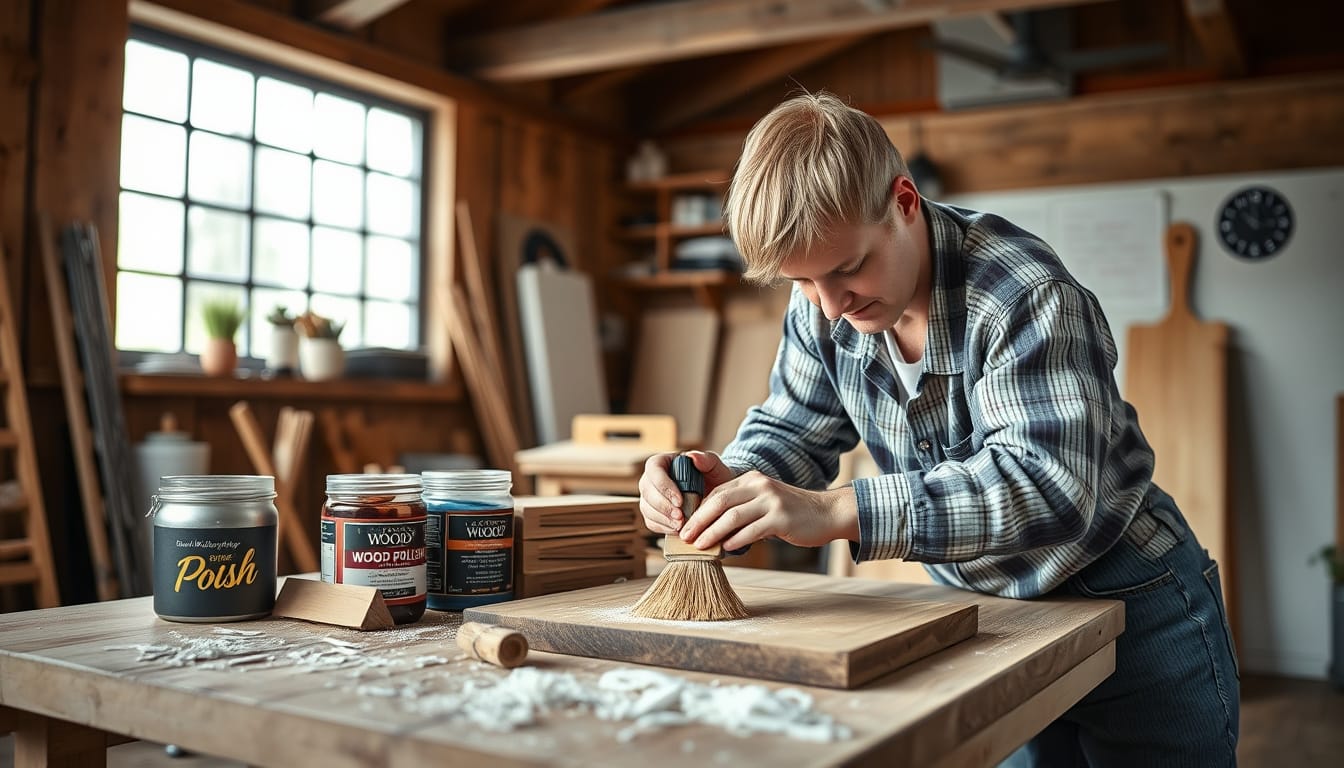

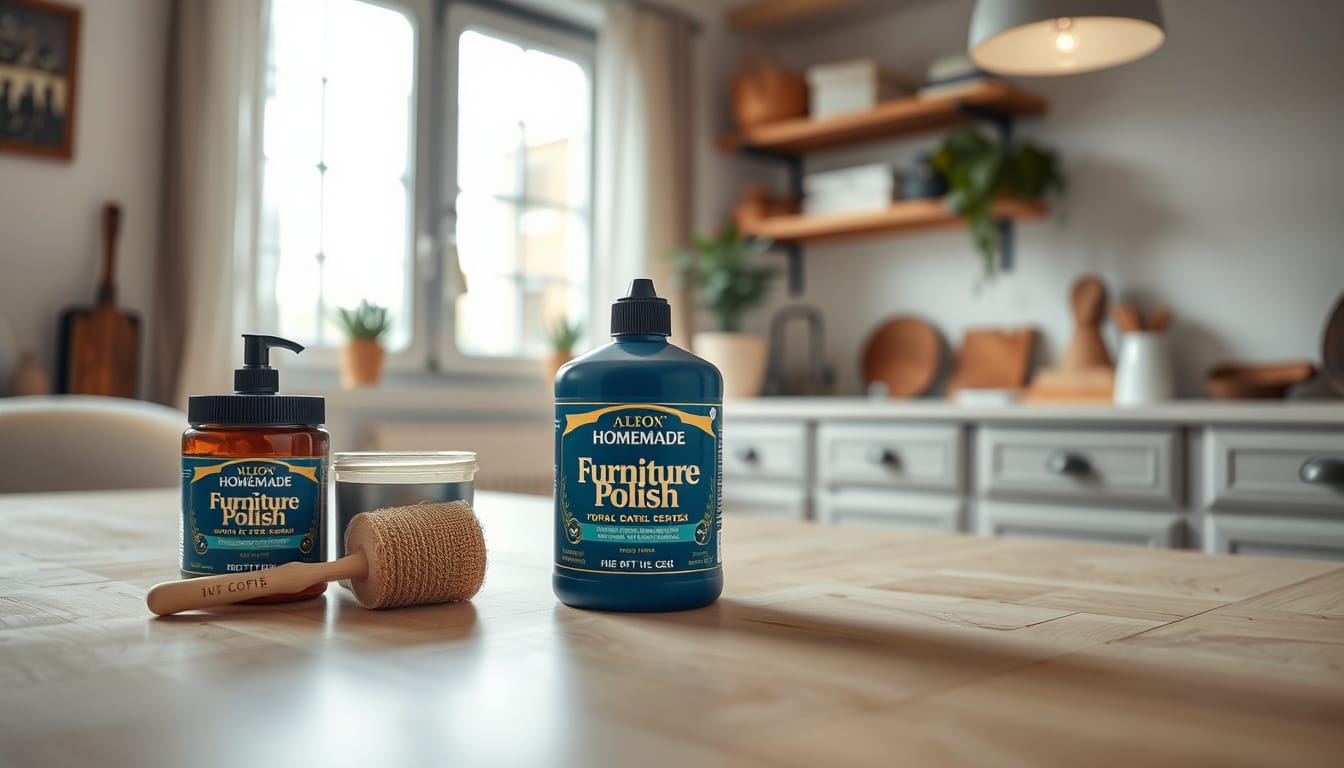
Homemade Furniture Polish can clean light dust and leave a mild, conditioned finish without heavy fumes. It works best on sealed wood, where the surface can handle a small amount of oil and a gentle cleaner. The mix is also easy to scale for different rooms, from dining tables to bedroom dressers. He should treat any DIY polish as a maintenance product, not a deep refinisher, and he should test it on a hidden spot first. The right homemade furniture polish can reduce dryness, soften the look of fine scratches, and help the wood resist fingerprints between wipe-downs.
Homemade Furniture Polish is a simple cleaner-and-conditioner mix
Homemade furniture polish typically combines a mild cleaner with a conditioning oil. The cleaner lifts surface grime, while the oil reduces dryness and improves sheen. When the wood is sealed, the polish stays on top and does not soak deeply.
A common approach uses distilled water and a small amount of mild soap or castile soap. For conditioning, a light oil such as mineral oil or a food-safe oil such as olive oil can help. The reality is that too much oil can leave a sticky film, so the recipe should stay conservative.
For best results, the polish should be applied to a cloth, not poured onto the furniture. After wiping, the surface should be buffed with a clean, dry microfiber cloth. This step helps prevent streaks and reduces residue buildup over time.
One key takeaway: Homemade furniture polish works when it is light, well-buffed, and used on sealed wood only.
What ingredients should you use for different wood finishes?
Wood finish type determines what the surface can tolerate. Sealed finishes such as polyurethane, lacquer, and varnish usually handle light oil-based conditioning. Unsealed or waxed finishes can react differently, and they may dull if the polish is too oily.
For most sealed finishes, a small amount of oil plus a mild cleaner is a practical choice. Mineral oil is often a safer conditioner because it is less likely to darken the wood. For darker woods, a very small amount of olive oil can be acceptable, but streaking can appear if the ratio is too high.
For matte finishes, the polish should be lighter to avoid adding shine. He should reduce the oil content and focus on gentle cleaning and dry buffing. For high-gloss finishes, a slightly richer conditioner can restore the look, but residue control still matters.
Look at the furniture label or the finish age before choosing. If the surface feels tacky after cleaning, the finish may not be compatible with oil-based polish, and a water-based cleaner with dry buffing may perform better.
One key takeaway: Homemade furniture polish should match the finish, with less oil for matte surfaces and careful testing for waxed or older coatings.
How do you make and apply Homemade Furniture Polish safely?
Homemade furniture polish should be mixed in small batches to keep it fresh and consistent. He should start with distilled water to reduce mineral spotting. A mild soap, such as castile soap, can be used at a very low dose, since strong detergents can leave film.
For a simple sealed-wood recipe, he can combine distilled water with a few drops of castile soap and then add a small amount of mineral oil. The mix should be shaken gently, then applied to a cloth. He should avoid soaking the cloth to prevent drips into seams, carvings, and joints.
The application should follow a repeatable routine. He should dust first, then lightly wipe with the dampened polish cloth, then immediately buff dry. This reduces streaks and helps keep the oil from pooling around edges. He should also keep the polish away from heat sources and food preparation areas.
Safety checks matter. He should wear gloves if he has sensitive skin, and he should ventilate the room even with mild ingredients. He should test on a hidden spot and wait for the full dry time before judging the final sheen. If the wood shows cloudiness or tackiness, he should stop and switch to a lower-oil method.
One key takeaway: Homemade furniture polish stays safe and effective when it is mixed lightly, applied to a cloth, and buffed dry right away.
Homemade Furniture Polish FAQ
How often should he use homemade furniture polish?
For most sealed wood, he can polish it every 2 to 6 weeks. High-traffic pieces may need monthly care, while seldom-used furniture can go longer. If fingerprints build quickly, he should dust more often and polish less frequently.
Will homemade furniture polish remove water rings or scratches?
It usually will not remove deep scratches or heavy water rings. It can improve the look of light dullness by conditioning the surface. For ring damage, he should use a finish-appropriate repair method instead of relying on polish alone.
Can she store homemade furniture polish for later?
Yes, but storage should be short. She can keep it in a clean, labeled bottle for about 1 to 2 weeks. Oil-based mixes can separate, so she should shake before each use and discard any sour smell or residue changes.
Keep your wood looking fresh with the right homemade mix
Homemade furniture polish can be a practical way to maintain sealed wood with gentle cleaning and light conditioning. He gets better results when he matches the polish to the finish, uses a small amount of oil, and buffs dry after each wipe. A conservative recipe reduces streaks and sticky residue, which are the most common failure points. He should also test on a hidden area first and adjust the oil level for matte versus glossy surfaces. With consistent dusting and occasional polishing, the wood can keep a stable sheen and a cleaner feel between deeper care sessions.