
So here’s the thing: the answer to “can you eat before a dental cleaning” isn’t a simple yes or no. It really depends on what kind of cleaning you’re getting, whether you’re having sedation, and your own health situation. In our research, we found that dental offices often give conflicting advice because there’s no universal guideline, what’s safe for one patient can be risky for another.
As of 2026, the American Dental Association (ADA) doesn’t have a blanket fasting rule for routine cleanings. But individual practices set their own protocols based on sedation laws and patient safety standards. The key is knowing which variables apply to you.
Let’s walk through them step by step so you can make the right call before your next appointment.
Quick Answer
Can you eat before a dental cleaning? Yes, if you’re having a routine cleaning with no sedation. No, if you’re getting IV sedation or oral sedation.
For deep cleanings with local anesthetic only, a light meal is fine. Always check with your dentist at least 24 hours beforehand. Your safety comes first.
Before We Start: Why There’s No One‑Size‑Fits‑All Answer
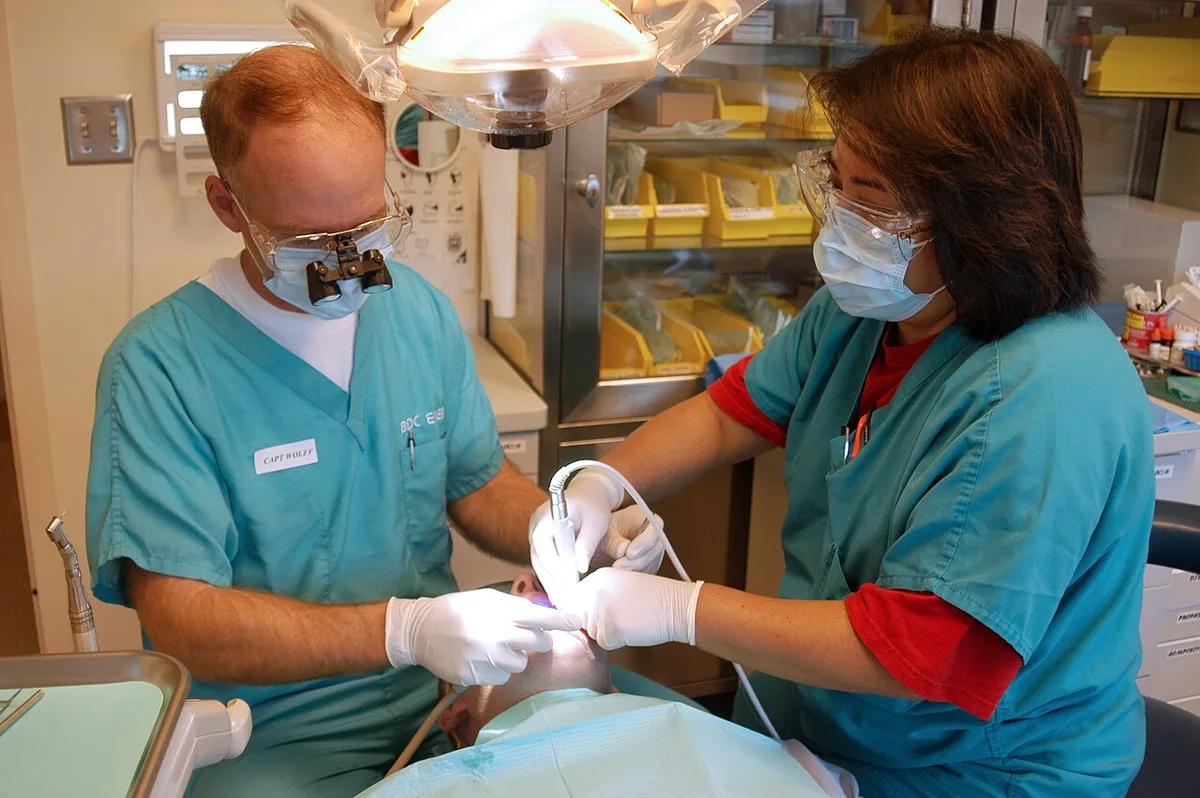
Image source: Wikimedia Commons / U.S. Navy photo by Photographer’s Mate 3rd Class Jacob J. Kirk
Every dental office has its own pre‑visit instructions. Some say “no food for two hours.” Others say “a light breakfast is okay.” The confusion happens because different procedures have different risks.
If you’re getting a routine cleaning (prophylaxis), the main concern is comfort. A heavy meal right before can make you nauseous during the scaling process. But an empty stomach can cause low blood sugar, dizziness, or fainting, especially if you’re nervous.
On the flip side, deep cleanings (scaling and root planing) often involve more time in the chair and more discomfort. And sedation procedures carry serious risks if you’ve eaten recently. That’s why it’s so important to understand the three conditions that determine the answer.
The Fast Answer: It Depends on Three Things
Here’s the decision framework. Ask yourself these three questions before deciding whether to eat:
- What type of cleaning am I getting? Routine or deep?
- Will I have any form of sedation? Local anesthetic only, nitrous oxide, oral sedation, or IV sedation?
- Do I have a health condition that affects blood sugar or fasting? Diabetes, hypoglycemia, pregnancy, or other issues?
Once you have those answers, you can follow the right branch. We’ll break down each one below.
If-then logic at a glance
- If routine cleaning + no sedation → eat a light meal 1, 2 hours before
- If routine cleaning + nitrous oxide → same as above (nitrous doesn’t require fasting)
- If deep cleaning + local anesthetic only → light meal is okay
- If any sedation that alters consciousness (oral, IV) → fast for 6, 8 hours per your dentist’s instructions
- If diabetic or hypoglycemic → eat a small, balanced snack regardless of cleaning type unless sedated
Condition Branch 1: Routine Cleaning vs. Deep Cleaning
Routine Prophylaxis: Usually Fine to Eat
A standard cleaning removes plaque and tartar above the gum line. It’s quick, 30 to 60 minutes, and you’re awake the whole time. For most people, a light meal an hour or two before is perfectly safe.
What counts as light? Think a piece of toast with peanut butter, a banana, or a small bowl of oatmeal. Avoid sugary or acidic foods because they can cause sensitivity during the cleaning.
Also skip sticky things like granola bars that get lodged between teeth, you’ll just make the hygienist’s job harder.
The real risk is eating too much or too close to the appointment. A heavy breakfast right before can trigger gagging when the hygienist works on your back molars. So aim for that 1‑to‑2‑hour window.
Scaling and Root Planing: More Restrictive
Deep cleaning is a different animal. It’s more invasive, often requires local anesthetic, and can take over an hour. Because your gums will be numbed and you’ll be in the chair longer, the risk of nausea from food increases.
Most dentists still allow a light meal before scaling and root planing, as long as you’re not sedated. But some prefer you to eat very lightly or not at all, especially if they’re working on multiple quadrants in one visit.
Pro tip: Call your dentist’s office and ask specifically about “deep cleaning” or “scaling and root planing.” Don’t just ask about a cleaning, they might assume you mean a routine visit.
Condition Branch 2: Are You Getting Sedation?
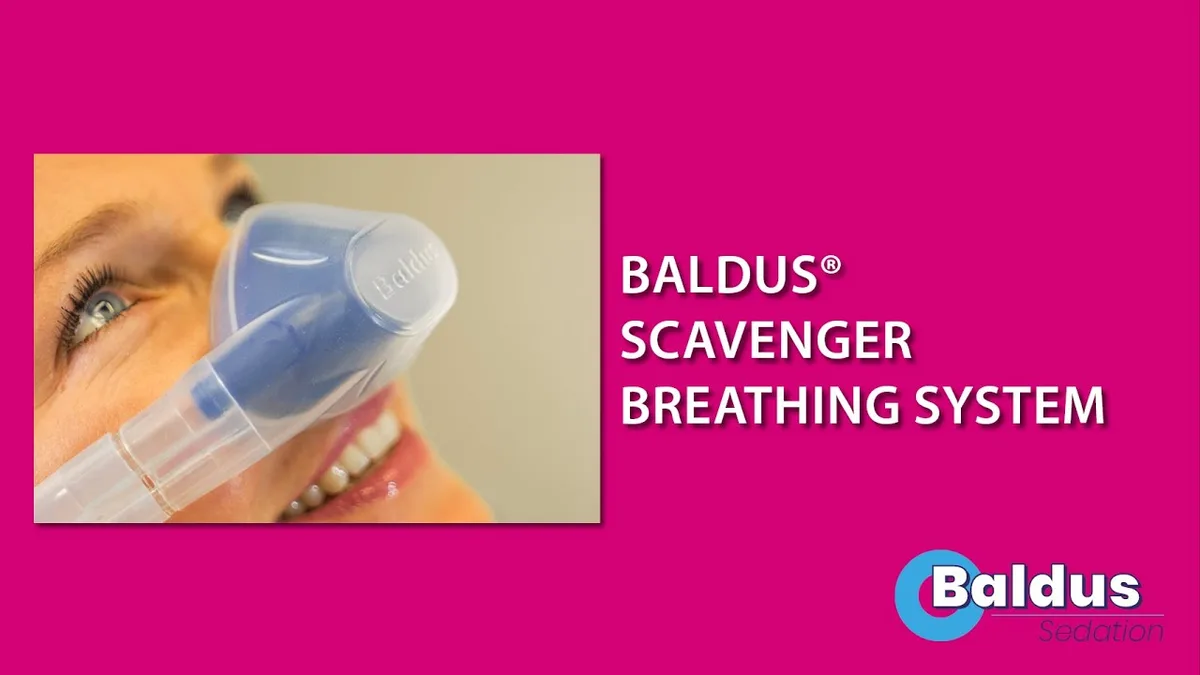
Image source: YouTube / Baldus Medizintechnik Gruppe (YouTube thumbnail (fair-use with source credit))
No Sedation or Only Local Anesthetic
If you’re getting just a numbing shot (lidocaine or similar), your stomach has nothing to do with the procedure. The anesthetic only affects the injection site. You can eat before, during (not advised for obvious reasons), and after, once the numbness wears off.
The only catch: avoid eating immediately after the cleaning because you might bite your cheek or tongue without feeling it. Wait until the numbness fades, usually 1, 3 hours.
Nitrous Oxide (Laughing Gas)
Nitrous oxide is a mild sedative that wears off quickly. It doesn’t depress your gag reflex or consciousness the way stronger sedatives do. Most dental offices do not require fasting for nitrous use.
That said, some people feel queasy on nitrous. If you know you have a sensitive stomach, keep your pre‑cleaning meal very light. A cracker or two is enough to settle your stomach without causing nausea.
Oral Sedation or IV Sedation (Must Fast)
This is the big one. Oral sedation (a pill you take before the appointment) and IV sedation (administered through a vein) put you in a drowsy or semi‑conscious state. The risk of aspiration, inhaling food or liquid into your lungs, is real if you vomit while sedated.
Because of that, the standard rule is no solid food for 6, 8 hours before the appointment. Clear liquids (water, apple juice, black coffee) are usually okay up to 2 hours before. But follow your dentist’s exact timing, some are stricter than others.
A quick check: the CDC and the ADA both recommend fasting for moderate to deep sedation. If you’re unsure, check the ADA’s sedation guidelines for the official stance.
Condition Branch 3: Your Health and Timing
Diabetic or Hypoglycemic: Don’t Skip a Light Meal
If you have diabetes or a history of low blood sugar, skipping meals can cause dangerous drops in glucose. A routine dental cleaning without sedation is not worth the risk of fainting or confusion.
Plan to eat a small, balanced snack, something with protein and complex carbs, like half a turkey sandwich or Greek yogurt with berries, about two hours before your appointment. If you’re having sedation, talk to your dentist about adjusting your fasting window. They may allow clear liquids with sugar to keep your levels stable.
Never skip your diabetes medication unless your doctor specifically says to. Just coordinate the timing with your meal.
Pregnancy: Small Frequent Snacks
Pregnant women often deal with nausea, low blood sugar, and gag reflex sensitivity. The general advice is to eat a small, bland snack about an hour before a routine cleaning. Crackers, dry toast, or a piece of fruit work well.
Avoid anything greasy or strongly flavored, it can trigger morning sickness in the dental chair. And always tell your dentist you’re pregnant. They may adjust the cleaning approach or recommend delaying non‑urgent procedures until after the first trimester.
Morning vs. Afternoon Appointments
Time of day matters more than you think. A morning appointment means you may have woken up recently and haven’t eaten yet. If you skip breakfast entirely and head straight to the dentist, you risk low energy, shakiness, and a harder cleaning experience.
For morning cleanings, eat a light breakfast at least an hour before you leave. For afternoon appointments, don’t skip lunch, just keep it light and avoid heavy, greasy foods.
The bottom line: treat the day of your cleaning like any other day, but be smart about what and when you eat. Your body will thank you, and your hygienist will appreciate the easier access to clean teeth.
What to Eat (and What to Avoid) Before Your Cleaning
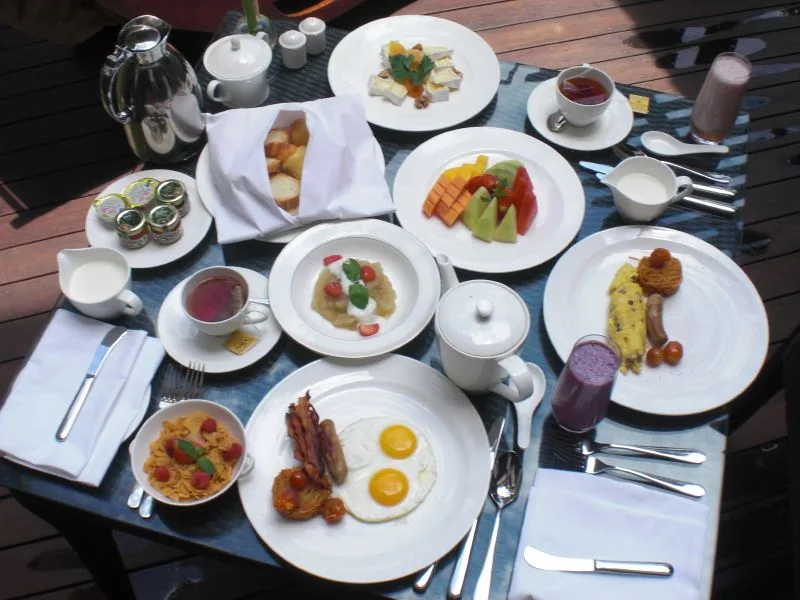
Image source: Wikimedia Commons / Matt @ PEK from Taipei, Taiwan (CC BY-SA)
Safe Low‑Sugar, Low‑Acid Options
Stick with bland, neutral foods that won’t irritate your gums or spike your blood sugar. The goal is steady energy without leftovers stuck in your teeth.
- Banana or apple, Easy to digest, low acid, and unlikely to cause sensitivity.
- Plain toast or a bagel, Dry carbs settle the stomach without residue.
- Oatmeal (plain), Filling and gentle on the digestive system.
- Greek yogurt (unsweetened), Protein helps maintain blood sugar, but avoid flavored ones with added sugar.
- Scrambled eggs, Soft, neutral, and high in protein.
Eat your chosen snack about 1, 2 hours before the appointment. Drink water afterward to rinse away loose particles.
Foods That Cause Trouble
Some foods make the cleaning harder for you and the hygienist. Avoid these within 2, 3 hours of your visit:
- Sticky foods (caramel, dried fruit, granola bars), They cling to teeth and slow down scaling.
- Acidic foods (citrus, tomatoes, coffee), They soften enamel temporarily and increase sensitivity during ultrasonic scaling.
- Greasy or fried foods, Heavy meals can trigger nausea, especially if you’re lying back in the chair.
- Sugary drinks or candy, They feed plaque bacteria and leave a sugar coating that the hygienist has to scrape off.
Step‑by‑Step: How to Handle Eating Before a Cleaning
Follow this workflow to make the right call every time.
Step 1: Confirm your appointment type. Call the dental office 24 hours ahead. Ask: “Is this a routine cleaning, deep cleaning, or will I receive sedation?” Write down their exact food and drink instructions.
Step 2: Check your health status. If you have diabetes, hypoglycemia, or are pregnant, tell the receptionist. Ask if they have specific recommendations for fasting or meal timing.
Step 3: Choose your meal timing based on the branch rules from earlier sections. For routine or deep cleaning with local anesthetic only: eat a light meal 1, 2 hours before. For sedation: follow fasting instructions to the letter.
Step 4: Brush and floss after eating. Wait at least 30 minutes after your meal to brush (to protect enamel if you ate something acidic). Then floss to remove any trapped bits. This leaves your mouth clean for the hygienist.
Step 5: Drink water before you leave. Hydration helps saliva flow and makes scaling more comfortable. But skip colored or sugary drinks.
Step 6: Arrive a few minutes early. Use the restroom. If you feel shaky or lightheaded, tell the front desk. They can offer water or a small snack if allowed.
Common Mistakes People Make
Eating Too Heavy or Too Close
A full breakfast or a large lunch right before a cleaning is a recipe for discomfort. The reclined position combined with the vibration of the scaler can easily trigger nausea. Stick to the 1‑to‑2‑hour window and keep portions small.
Fasting When You Shouldn’t
Some patients skip all food because they think it’s required for every cleaning. That’s a mistake. Fasting unnecessarily can cause low blood sugar, dizziness, and even fainting during the procedure.
If you’re not having sedation, eat something light.
Drinking the Wrong Things
Coffee is a common culprit. It’s acidic, stains teeth, and can leave you jittery. Energy drinks and soda are even worse.
Stick to water or plain milk if you need something before the appointment.
Quick‑Reference Decision Table
| Your Situation | Can You Eat? | What to Eat | Timing |
|---|---|---|---|
| Routine cleaning, no sedation | Yes | Light meal (toast, banana, yogurt) | 1–2 hours before |
| Deep cleaning, local anesthetic only | Yes, but light | Scrambled eggs, oatmeal | 1–2 hours before |
| Any cleaning with nitrous oxide | Yes, but very light | Crackers, plain toast | 1 hour before |
| Oral sedation or IV sedation | No solid food | Clear liquids only (water, apple juice) | At least 2 hours before (check dentist) |
| Diabetic or hypoglycemic | Yes (unless sedated) | Balanced snack with protein and carbs | 1–2 hours before, coordinate with dentist if sedated |
| Pregnant | Yes (unless sedated) | Bland snack, small portions | 1 hour before |
FAQs People Ask Most
Can I drink water before a dental cleaning?
Yes, for routine cleanings and deep cleanings without sedation. Water helps rinse your mouth and keeps you hydrated. For sedation cases, you can usually have clear water up to 2 hours before.
Check with your dentist for exact cutoff times.
What if I’m numb afterward?
Wait until the numbness completely wears off before eating. That’s usually 1, 3 hours. If you eat too soon, you risk biting your cheek, tongue, or lip without feeling it.
Stick to soft foods on the opposite side of your mouth if you must eat sooner.
What about my kid’s cleaning?
Children follow the same general rules as adults but with a few tweaks. For routine cleanings, let them eat a light breakfast or snack an hour before. Avoid sugary cereals or sticky bars.
If your child needs sedation (common for anxious kids or extensive work), ask for specific fasting instructions.
Bottom Line: Your Simple Action Plan
You now have the full decision tree in hand. Here’s your takeaway checklist:
- If routine cleaning and no sedation: eat a light meal 1, 2 hours before.
- If deep cleaning with local anesthetic: same rules apply.
- If sedation that alters consciousness: fast from solids for 6, 8 hours, clear liquids up to 2 hours before.
- If you have a health condition: talk to your dentist and never skip food unless advised for sedation.
- When in doubt, call the office and ask. They’d rather answer a quick question than deal with a patient who feels sick or faints.
A clean mouth starts with a smart pre‑visit plan. Now you know exactly how to handle it.
All approved TOC sections have been written. No further H2 sections remain.