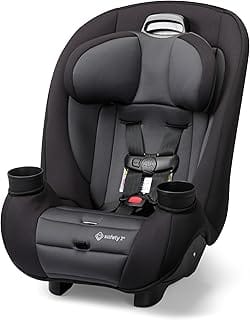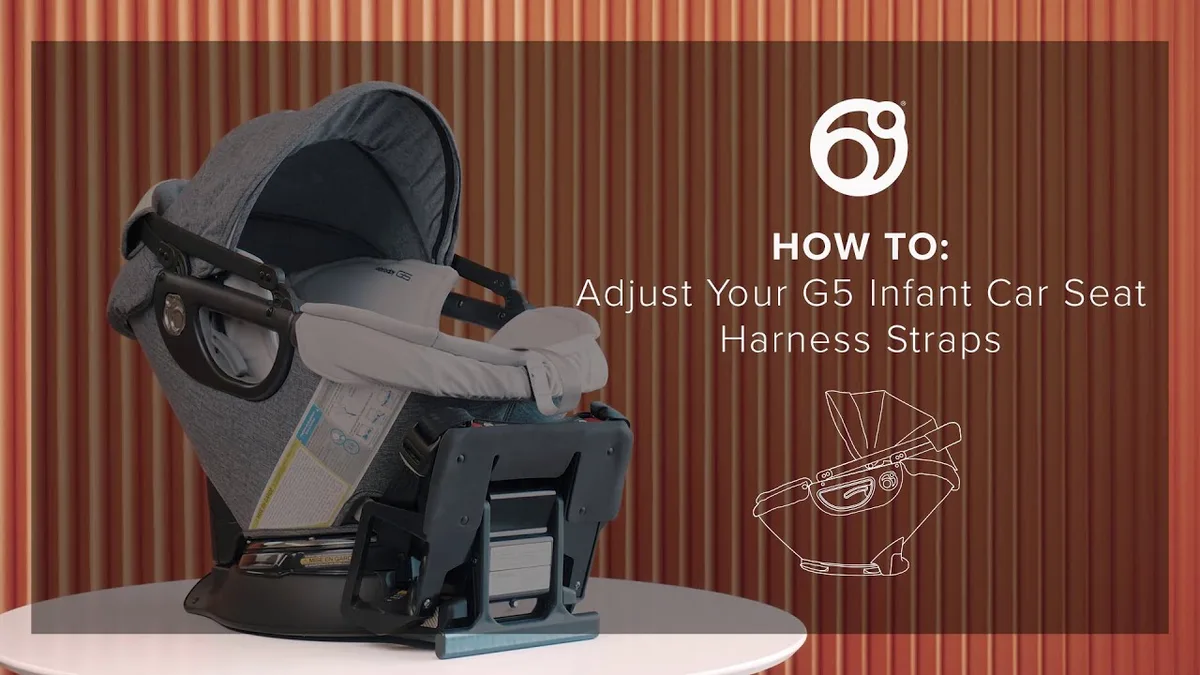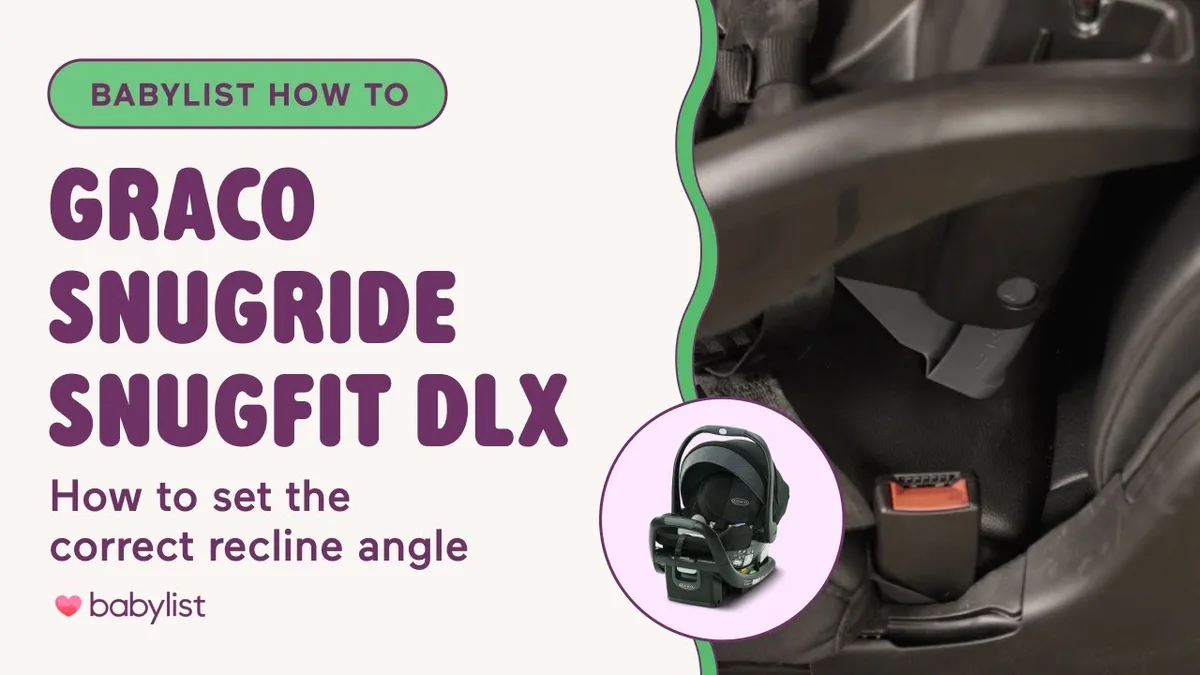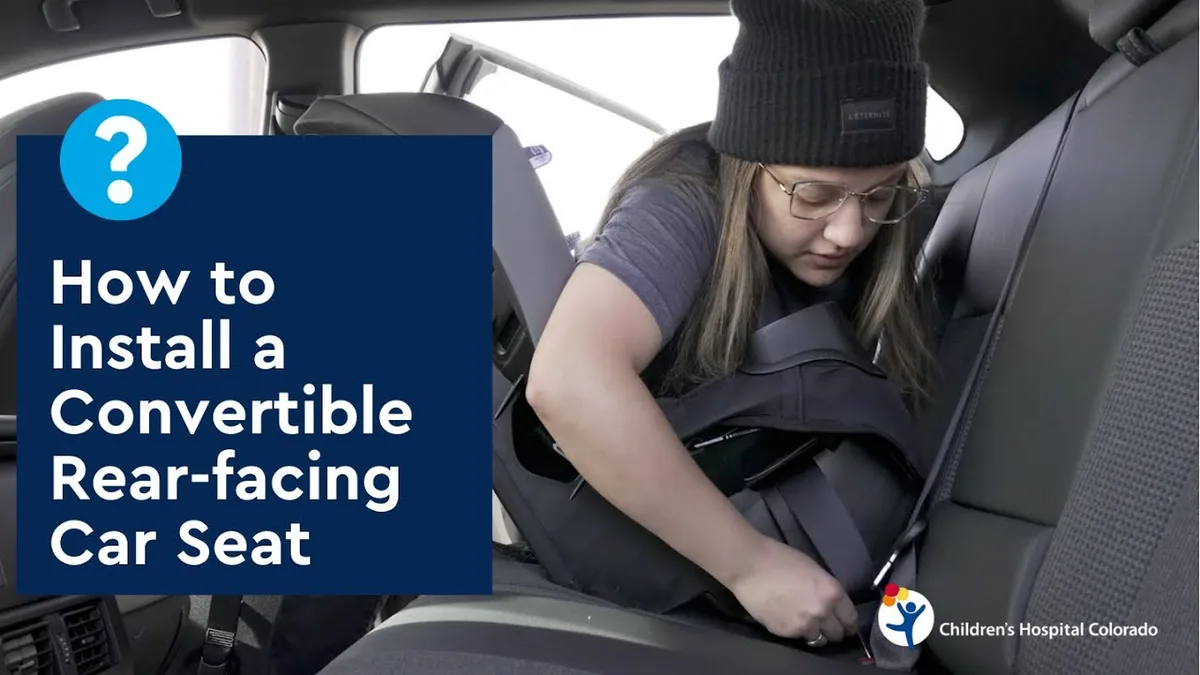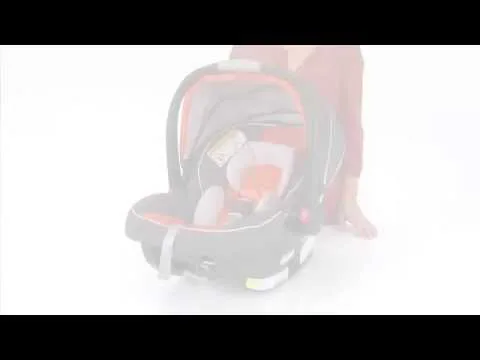

If you're flying somewhere with kids, you've probably asked yourself: does enterprise have car seats? The short answer is yes, but getting one isn't as simple as clicking a box during checkout. Rental locations treat child restraints as accessory requests rather than guaranteed reservations.
Enterprise Holdings stocks infant, convertible, and booster models across most US branches. Per NHTSA guidelines, every seat must meet Federal Motor Vehicle Safety Standard 213 to be legally used on the road. That means you can't just grab any random cushion from the counter.
Let's walk through exactly how this works so your family doesn't get stuck at the rental desk.
does enterprise have car seats
Yes, Enterprise Rent-A-Car offers child safety seats. They stock infant, convertible, and booster models. Availability depends entirely on local branch inventory.
You pay a daily fee for each seat. Reserving online only creates an accessory request.
How the Rental Car Seat Workflow Actually Plays Out
Renting a child restraint system (CRS) from Enterprise follows a specific sequence. It starts long before you reach the rental counter. If you skip these steps, you risk arriving to find zero inventory available for your trip.
First, add the seat request during your online booking. This flags your reservation in their system. But that flag doesn't reserve a physical unit.
Branches operate on a first-come, first-served basis for fleet accessories.
Second, call the specific airport or neighborhood branch directly about 48 hours before pickup. Don't rely on the central 800 number. Local agents know exactly what's sitting in their storage room right now.
Ask them how many seats matching your child's weight limit are currently available.
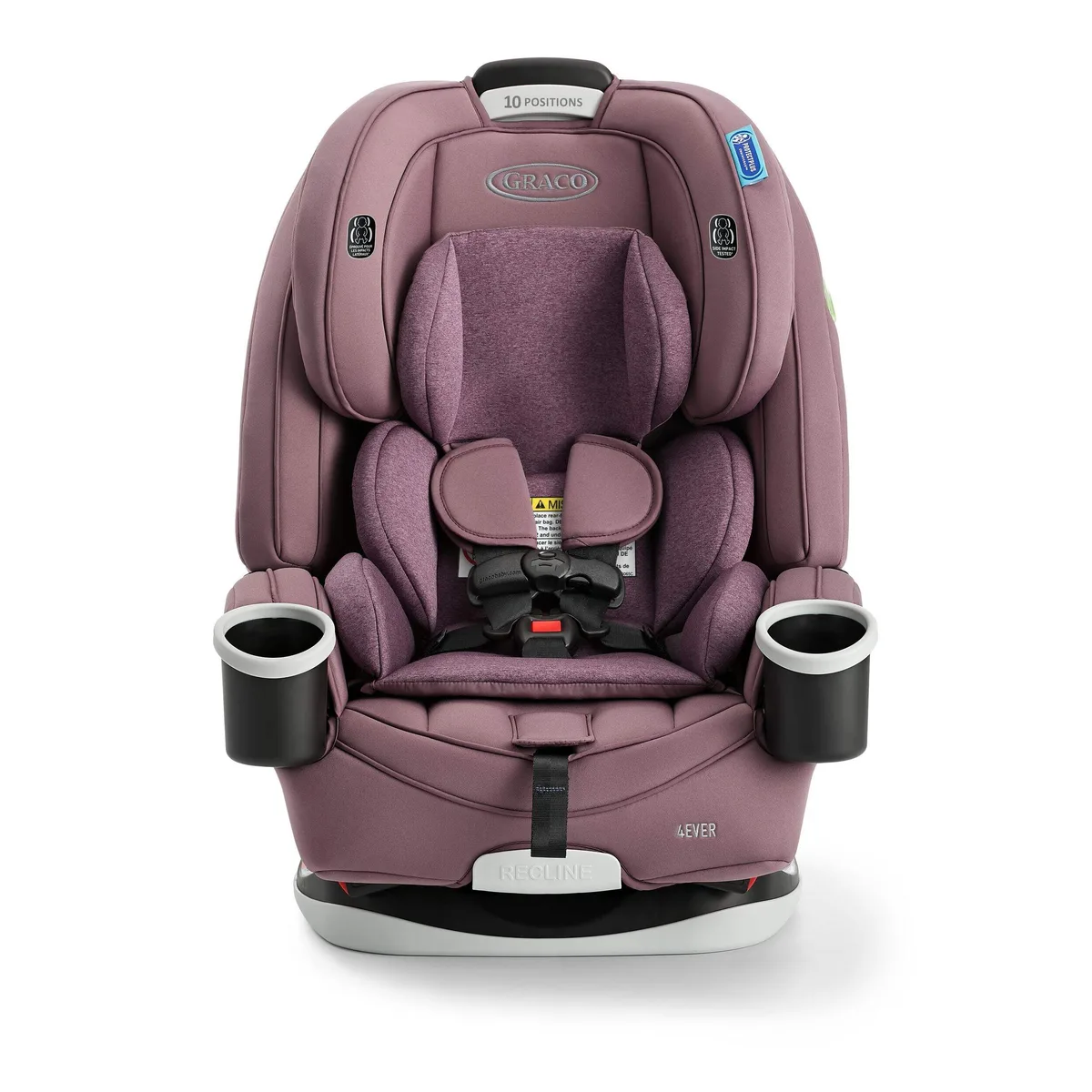
Image source: Web (Bing) / canadiantire.ca (Web image (fair-use with source credit))
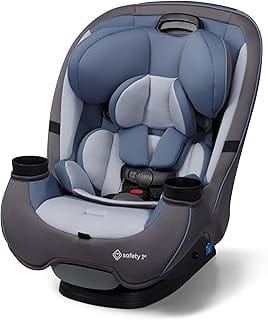
Third, confirm the exact type you need. Enterprise typically categorizes them into three buckets. Infant seats face the rear and fit babies under 30 pounds.
Convertible car seats work forward-facing or rear-facing for toddlers. Booster seats support older children who outgrew a five-point harness.
If you're unsure which category fits your child, checking when kids transition out of rear-facing models helps clarify things. Knowing your child's exact height and weight prevents counter delays. If the branch lacks your specific size, you'll need to pivot to your backup plan immediately.
Aggregate reviews report that airport branches hold significantly larger accessory inventories than local neighborhood offices. If you're renting from a small suburban lot, your chances of finding a specialized infant seat drop fast. Always verify stock locally.
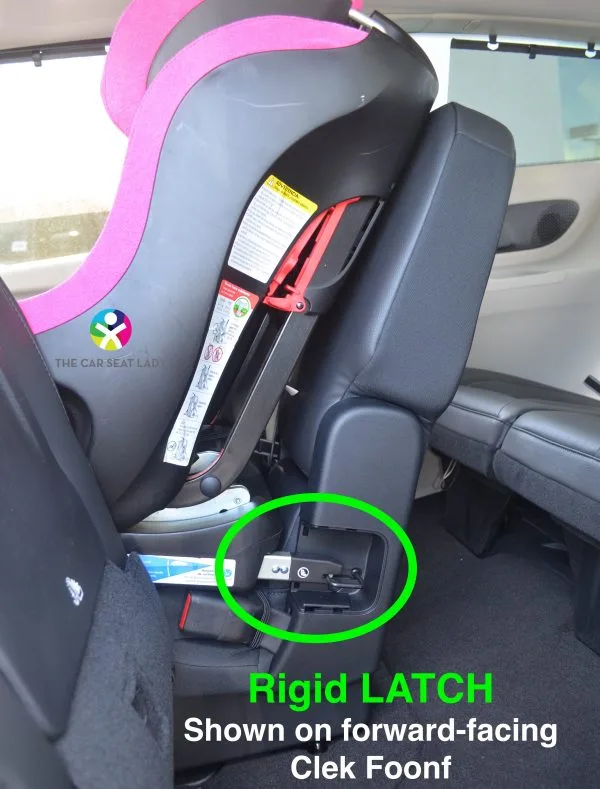
Image source: Web (Bing) / storage.googleapis.com (Web image (fair-use with source credit))
Once you arrive, inspect the seat before signing the final paperwork. We'll cover exactly what to look for shortly. If everything checks out, the agent adds the daily fee to your contract.
Then you install it yourself using the vehicle's LATCH anchors or seatbelt routing.
Renting from Enterprise vs. Bringing Your Own (The Decision Guide)
Choosing between a rental seat and hauling your own comes down to three variables. Those are your destination, your child's age, and your tolerance for airport hassle. Use this workflow to make the call.
If you are traveling domestically with a toddler using a standard forward-facing seat, renting usually works well. Airport terminals are tough enough without dragging bulky gear through security checkpoints. Most major US airlines allow you to check one seat per child free of charge.
But carrying it still slows you down.
If you are traveling internationally, the rules shift completely. European Union regulations often mandate that rental agencies provide appropriate child restraints upon request. However, the specific models available overseas rarely match US brands you trust.
In our research, families renting abroad frequently report unfamiliar seat designs that complicate installation.
Here is how the two options stack up side by side as of 2026.
| Feature | Renting from Enterprise | Bringing Your Own |
|---|---|---|
| Inventory Guarantee | No, subject to branch stock | Yes, travels with you |
| Daily Cost | $10 to $15 per day | Free after airline check |
| Crash History | Completely unknown | Fully known to you |
| Installation Familiarity | Low, requires learning new buckles | High, muscle memory applies |
| Airport Hassle | None | High, requires padded travel bag |
If your child uses a highly specific model, like those designed for compact vehicles, bringing your own is safer. Trying to force a massive rental seat into a subcompact rental car creates dangerous installation gaps. Understanding which vehicles accommodate restraints properly saves a lot of frustration at the lot.
For quick weekend trips where convenience wins, renting makes sense. For week-long road trips where you need absolute certainty, pack your own. Gate-checking it right before boarding protects it better than handing it over at the main ticket counter.
If you decide to bring your own, buy a padded gate-check bag. Baggage handlers toss items around. A protective cover preserves the structural integrity of the plastic shell during cargo transit.
What to Inspect Before You Install a Rental Car Seat
Never blindly strap your child into a rental seat. You don't know its history. Treat every borrowed child restraint like a used helmet.
If it fails any of these checks, hand it back immediately.
Start with the manufacturer label. Every compliant seat has a sticker showing the date of manufacture and the expiration date. Car seats expire because plastics degrade under UV exposure and temperature swings.
Most models expire six to ten years after manufacture. If the sticker is missing or unreadable, refuse the seat.
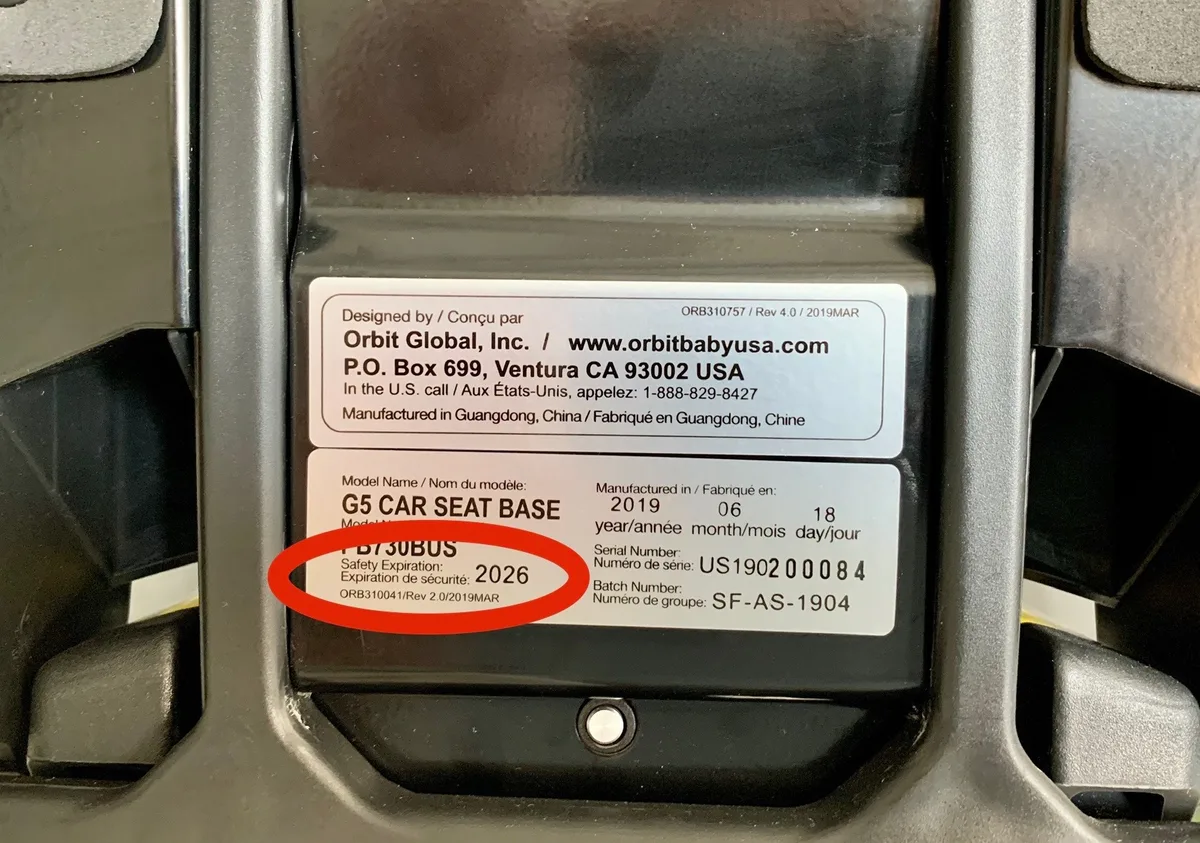
Image source: Web (Bing) / exploramadeira.com (Web image (fair-use with source credit))
Next, examine the plastic shell. Look closely for hairline cracks, especially near the base and belt paths. A compromised shell cannot absorb crash forces correctly.
Even minor stress marks mean the seat shouldn't be on the road. Keeping plastic components clean helps spot damage early, though rental fleets rarely prioritize deep detailing.
Check the harness straps next. Pull them fully extended. Look for fraying edges, stiffness, or signs of chewing.
Test the adjuster mechanism to ensure it locks tightly when pulled. A slipping harness defeats the entire purpose of a five-point system.
Verify the model hasn't been recalled. You can do this quickly by searching the model number on the NHTSA recall database via your phone while standing at the counter. Fleet managers don't always pull recalled units fast enough.
That responsibility falls on you in the moment.
Finally, assess the LATCH connectors. Ensure the metal hooks aren't bent and the tether strap retracts smoothly. If the rental car features deeply buried anchors in thick upholstery, you might need to use the vehicle seatbelt routing instead.
Both methods are safe if executed correctly.
If the agent seems annoyed by your inspection, ignore it. Your child's safety outweighs their desire to move the line along. Firmly request a replacement if anything looks questionable.
The Real Cost of Renting Child Restraints at Enterprise
Pricing for rental seats is straightforward until your trip gets longer. Enterprise typically charges a daily rate for each child restraint added to your contract. That rate usually lands between $10 and $15 per day depending on the region.
If you're picking up a car for a quick two-day business trip with a kid in tow, you're looking at roughly $20 to $30 total. That's cheap insurance against hauling luggage through a busy terminal. The math favors renting heavily on short itineraries.
Longer vacations change the equation completely. A two-week road trip at $15 daily would cost $210 for a single seat. Fortunately, Enterprise caps the maximum charge per rental period at most locations.
That cap generally sits between $60 and $75 per seat.
Always verify this cap with the branch agent before signing. Some franchise locations handle billing slightly differently than corporate-owned branches. Asking upfront prevents surprise line items on your final receipt.
You also need to factor in potential airline baggage fees if you choose to bring your own instead. While most domestic carriers waive fees for checked child restraints, budget airlines sometimes enforce strict limits. Verify your specific carrier's policy before heading to the airport.
Taxes apply to the accessory fee too. The daily rate quoted online rarely includes local tourism taxes or airport concession recovery fees. Expect the actual daily cost to run slightly higher than the advertised base rate.
If you need multiple seats for different children, the daily fee multiplies. An infant seat plus a booster seat means double the daily rate. Families with several young kids should calculate this total before deciding whether renting beats buying lightweight travel-specific alternatives.
Understanding how long infants stay in dedicated rear-facing carriers helps predict when you'll need to upgrade to a pricier convertible model during future rentals. Planning ahead keeps costs predictable.
Common Mistakes That Leave Families Stranded at the Counter
Relying solely on the online reservation system is the biggest mistake families make. Adding a child restraint request to your digital booking does not reserve a physical seat. It simply adds a note to your file.
If that branch runs out of inventory before you arrive, you are out of luck.
Calling the central 1-800 number instead of the local desk is another common trap. Central agents can see system-wide notes but cannot physically count seats in a back room. You need the direct phone number for the specific rental counter where you will pick up the vehicle.
Assuming rideshares make a reliable backup plan puts kids at serious risk. Standard Uber and Lyft vehicles do not carry child restraints. In most US states, riding in a standard taxi or rideshare without an appropriate seat violates local traffic laws.
Aggregate user reviews show parents frequently panic when Enterprise runs out of stock and they suddenly realize a rideshare won't solve their problem.
Failing to match the seat type to your child's current size causes massive delays at the counter. If you request an infant seat but your toddler already exceeds the rear-facing weight limit, the agent cannot legally hand it to you. Knowing exactly when children transition between stages prevents this mismatch.
Ignoring the installation process until you are already in the parking lot wastes valuable time. Rental fleets rotate constantly, meaning you might get a completely unfamiliar vehicle model every single trip. Some older fleet cars have deeply buried LATCH anchors hidden under thick upholstery cushions.
If you don't know how to route a seatbelt through a new car seat model, you'll be stuck reading manuals in a hot parking garage.
Finally, skipping the visual inspection because you're tired from traveling is a dangerous gamble. We covered checking expiration dates and plastic shells earlier, but rushing this step happens constantly. A quick two-minute check protects your child far better than blind trust in a rental fleet.
Frequently Asked Questions
Does Enterprise charge extra for car seats?
Yes, Enterprise charges a daily fee for each child restraint added to your rental contract. This fee typically ranges from $10 to $15 per day depending on your location. Most branches cap the total accessory charge around $60 to $75 per rental period.
Always verify the maximum cap with the local agent before signing your paperwork.
Can I guarantee a car seat with my Enterprise reservation?
No, adding a child seat to your online reservation does not guarantee availability. Enterprise treats these items as accessory requests rather than confirmed bookings. Inventory depends entirely on what that specific branch has in stock when you arrive.
Calling the local branch directly 48 hours ahead is the only way to verify current supply.
What types of car seats does Enterprise offer?
Enterprise generally stocks three main categories of child restraints for renters. These include rear-facing infant seats, forward-facing convertible models, and booster seats for older children. Exact brands and models vary significantly by branch location and region.
You cannot usually request a specific brand during the booking process.
Are rental car seats safe to use?
Rental seats meet federal safety standards when properly maintained, but their history remains unknown. You cannot verify if a specific unit was involved in a previous collision. Per American Academy of Pediatrics guidance, any seat involved in a moderate or severe crash must be replaced immediately.
Inspecting the shell, harness, and expiration date yourself is absolutely mandatory.
Do I need a car seat in a rental car for airport transfers?
Yes, state child passenger safety laws apply to rental vehicles just like personal cars. You cannot legally drive a child off the airport lot without an appropriate restraint. The only exceptions involve certain medical transport situations or specific local taxi exemptions.
Relying on a brief airport transfer to skip the seat is both illegal and highly dangerous.