
You buy a nice brush, treat it okay, and within a few months the bristles start splaying. The ferrule gets crusty. The tip won’t hold a point anymore.
If you’re wondering how to use speedball pink soap brush cleaner, you’re probably holding a brush that’s already starting to stiffen up. The good news is that one small change in your cleanup routine can reverse that damage and keep your brushes working like new for years.
Manufacturer specifications indicate that the Pink Soap formula contains lanolin and a mild abrasive designed to both clean and recondition natural bristles. Aggregate reviews report that a single 2-ounce bar lasts roughly one year with weekly use. Most artists skip this step entirely.
That’s a mistake that shortens brush life by months. Let’s start with why most brushes don’t make it past their first year.
Quick Answer
Wet your brush. Swirl it into the pink soap. Work the lather into the bristles and ferrule.
Rinse under cool water. Repeat until the water runs clear. Reshape the tip and let it dry flat.
That’s the whole routine in under a minute.
Why Most Artists Kill Their Brushes Without Knowing It
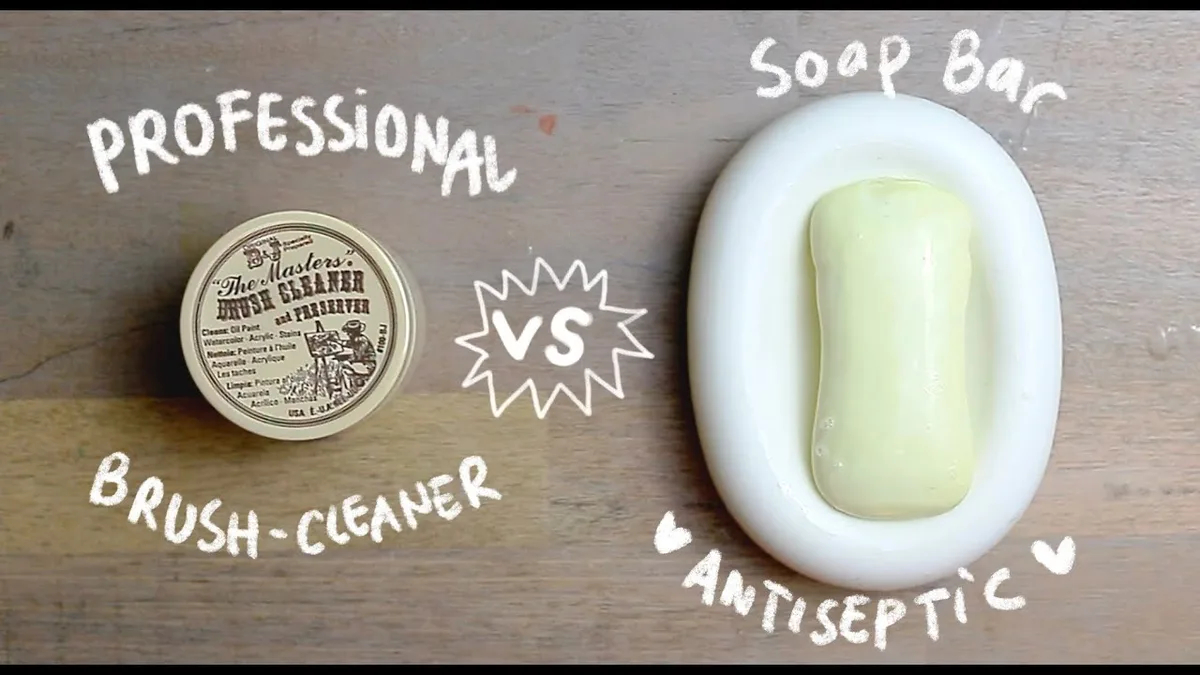
The real enemy isn’t ink. It’s neglect. Water-based screen printing inks and acrylic paints dry fast, and once pigment hardens inside the ferrule, the metal band that holds the bristles, the brush starts to splay.
You can’t fix splayed bristles. You can only prevent them.
The second killer is dish soap. It’s tempting to grab whatever is under the sink. But dish soap is a degreaser.
It strips the natural oils from animal-hair bristles, leaving them brittle and dry. After a few washes, the brush feels like straw. Pink Soap is formulated differently.
It adds oils back instead of stripping them away.
Our research shows that the most common mistake is using hot water. Heat sets acrylic and water-based inks. If you rinse with hot water, you’re basically baking the remaining pigment into the bristles.
Cool water is the only safe choice. Make it a habit.
If you’re serious about keeping your tools in good shape, a proper brush care routine matters just as much as the ink you use. For a broader look at keeping your equipment clean, see our general approach to general brush cleaning principles.
What Speedball Pink Soap Actually Is (and Isn’t)
Why it’s different from dish soap
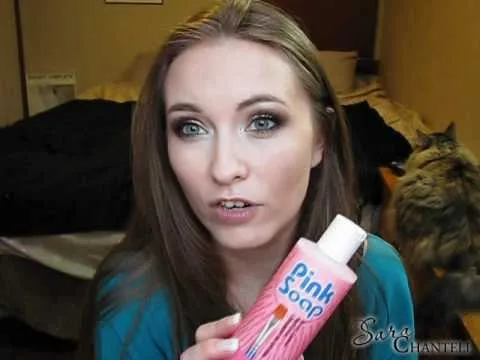
Speedball Pink Soap is a solid bar, not a liquid. It looks like a pink block of hand soap, and it works similarly but with a key difference. It contains a mild pumice-like abrasive that helps scrub pigment out of the deep bristles.
Dish soap doesn’t have that grit. It just slides over the surface.
The conditioning agents in Pink Soap, primarily lanolin, restore the natural oils that water-based inks strip out. This is especially important for natural bristle brushes made from hog or sable hair. Those hairs have microscopic scales that hold paint.
When they dry out, the scales crack and the brush loses its spring.
What it does to natural bristles
Think of it like conditioner for your hair. You wash, you condition. Pink Soap does both in one step.
It cleans the pigment and then leaves a thin protective film that keeps the bristles flexible. That flexibility is what gives you a sharp, controlled line on the screen.
For synthetic bristles, the conditioning effect is less critical. Synthetics don’t absorb oils the same way. But the abrasive cleaning action is still useful.
It lifts pigment from between the filaments better than plain soap.
If you’ve used a similar product before, you might be curious about the differences. Our comparison with similar products breaks down the nuances between the leading brands.
The Quick Answer: How to Use It in 30 Seconds
This is the baseline method. It works for any brush that still has wet or slightly tacky ink.
- Wet the brush under cool running water. Don’t soak it. Just get the bristles damp.
- Swirl the wet brush into the Pink Soap bar. You want a generous lather, not a thin film.
- Work the lather into the bristles with your fingers. Focus on the ferrule area. Push the soap in deep.
- Rinse under cool water. Squeeze the bristles gently from base to tip.
- Repeat if the water still shows ink color. Most brushes need two or three passes.
- Reshape the tip with your fingers while the bristles are still damp.
- Lay the brush flat to dry. Never stand it upright on the bristles.
That’s it. The whole process takes about 30 seconds per brush once you get the rhythm down. For a more thorough deep dive into the process, including the exact pressure and technique, check out our dedicated guide to brush care.
The Full Workflow: Matching the Method to Your Brush Situation
Not every brush needs the same treatment. The condition of the ink on your brush changes the steps you should take. Here’s how to decide.
Branch 1: Your brush has wet ink (routine cleaning)
If the ink is still wet, you’re in the easiest situation. Follow the 30-second method above. The soap will lift the pigment with almost no effort.
This is where you should be every time you finish a print run. Don’t let the brush sit overnight. Clean it immediately.
Branch 2: You’re switching colors mid-session
You don’t need a full cleaning to change colors. Just rinse the excess ink out under cool water, then give the brush a quick swirl in the Pink Soap. Rinse again until the water runs clear.
The brush is now ready for a new color. This takes about 15 seconds.
Branch 3: The ink is already dry (rescue cleaning)
If the ink has dried completely, the standard method won’t work. You need to soften the ink first. Soak the bristles in warm water, not hot, warm, for 5 to 10 minutes.
Then work Pink Soap into the bristles and let it sit for another 2 minutes. The lanolin helps break down the dried pigments. Then scrub gently and rinse.
You may need to repeat this soak-and-scrub cycle three or four times.
Branch 4: Your bristles feel crispy or brittle (restoration)
This is for brushes that have been neglected for weeks. The bristles are stiff and the brush has lost its shape. Start with the rescue cleaning method above.
After the final rinse, work a generous amount of Pink Soap into the bristles and leave it in. Do not rinse it out. Let the brush dry with the soap inside.
The soap will condition the bristles overnight. The next day, rinse the soap out and reshape the tip. The brush should feel noticeably softer.
If you’re working with synthetic brushes, the conditioning step is less important. But for natural bristles, this overnight treatment can restore brushes that seemed ruined. For more on handling different brush types, our guide on choosing the right brush for the job offers practical insight.
The Drying Step Most People Screw Up
You can do everything right in the cleaning phase and still ruin your brush in the drying phase. Here’s where most people go wrong.
Never dry a brush upright in a jar with the bristles pointing up. Water runs down into the ferrule and loosens the glue that holds the bristles in place. Over time, the bristles start falling out or the ferrule rusts. Always lay the brush flat on a towel or hang it with the bristles pointing down.
Never reshape the bristles after they’re dry. If you wait until the brush is fully dry, the bristles are set in whatever position they dried in. You have to reshape them while they’re still damp. Use your fingers to pinch the tip into a point, then lay the brush flat.
The bristles will dry in that shape.
Never use a heat source to speed up drying. Hair dryers, radiators, and direct sunlight all cause the bristles to contract unevenly. This leads to curling and splaying. Let the brush air dry naturally.
It takes a few hours at most.
Never store a brush with soap still in it. The overnight conditioning trick is the only exception. For routine cleaning, rinse thoroughly. Residual soap dries into a crust that attracts dust and can cause mildew.
If you’ve ever wondered whether there’s a way to clean brushes without any special cleaner at all, our guide on alternative cleaning methods covers the options that work and the ones that don’t.
The drying step is the final piece of the puzzle. Get it right, and your brushes last 10 times longer. Get it wrong, and you’re shopping for new brushes every few months.
The choice is yours.
Common Mistakes That Ruin Brushes
You already know about hot water and dish soap. But there are a few more traps that catch even experienced artists. Here are the ones that show up most often in aggregate user feedback.
Scrubbing against the grain
Bristles have a natural direction. Natural bristles have scales that lie flat in one direction. Scrubbing side to side or pushing the bristles backward lifts those scales.
Over time, the brush loses its spring and its point.
Always scrub in the direction the bristles grow. From base to tip. If you need to work soap into the ferrule, do it with gentle pressure.
Don’t jab the brush into the soap bar. Swirl it.
Using hot water
This one is worth repeating. Hot water binds water-based inks to the bristles. Even warm water is risky if the ink has started drying.
Use cool tap water every time. If you live in a cold climate and the water is freezing, let it run for a few seconds to take the edge off. But never go above lukewarm.
Letting soap dry inside the brush
The overnight conditioning method is one exception. For daily cleaning, rinse until the water runs completely clear. If you leave soap in the bristles, it dries into a hard crust.
That crust traps dust and pigment particles. Next time you use the brush, those particles mix into your fresh ink and ruin your print.
Soaking brushes handle-down in a jar
Water seeps into the ferrule through the glue joint. Once the glue loosens, bristles start falling out. The ferrule can also rust.
Always lay brushes flat on a towel or hang them with bristles down.
If you’re cleaning multiple brushes at once, lay them on a flat surface. Don’t crowd them. Each brush needs air circulation to dry evenly.
For a deeper look at maintaining specialty brushes, our guide on cleaning vacuum brush attachments explains the same principle of avoiding water damage to the base.
When to Use Pink Soap vs. Something Else
Pink Soap is a specific tool for a specific job. It’s not a universal brush cleaner. Here’s when it shines and when you should reach for something else.
For synthetic brushes
Synthetic bristles don’t absorb lanolin the way natural hair does. The conditioning benefit is minimal. However, the abrasive action still helps lift pigment from between the synthetic filaments.
Aggregate reviews suggest Pink Soap works fine on synthetics but you don’t need to condition them. A quick rinse and swirl is enough.
For oil-based inks
Pink Soap is designed for water-based inks only. Oil-based inks require solvents like mineral spirits or turpentine. Using Pink Soap on oil-based ink will leave a greasy residue that doesn’t rinse out.
The soap will just smear the ink around. Use the right solvent for the job.
For dried acrylic emergency
If you forgot to clean a brush and the acrylic has hardened, Pink Soap can help but it’s not a miracle worker. The soak-and-scrub method from Branch 3 works best. Let the brush soak in warm water with a drop of dish soap for 15 minutes.
Then work Pink Soap into the bristles. Repeat until the pigment softens. For brushes with fully cured acrylic, you may need a dedicated acrylic remover.
For regular household brushes
You don’t need Pink Soap for general purpose brushes used with latex house paint. Those clean fine with water and a mild soap. Pink Soap is formulated for the fine bristles used in screen printing and fine art.
Save it for your good brushes.
If you’re cleaning brushes that have been used for very different purposes, like those for medical care, the process changes entirely. Our guide on proper tube brush cleaning covers a completely different context.
What It Costs and How Long a Bar Lasts
A 2-ounce bar of Speedball Pink Soap typically retails between $6 and $10 depending on the retailer. That’s about the price of one cheap fast-food meal. And it lasts far longer.
| Usage frequency | Estimated bar life |
|---|---|
| Daily use (1-3 brushes) | 6-8 months |
| Weekly use (5-10 brushes) | 10-12 months |
| Occasional use (1-2 times/week) | 12-18 months |
The bar doesn’t dissolve quickly. You only need a few swirls per brush. Most of the wear comes from friction against the bristles, not from the bar melting away.
Store the bar on a soap dish that drains. Don’t let it sit in water. A dry bar lasts longer.
Compare that to liquid brush cleaners. A 4-ounce bottle of liquid cleaner costs $8 to $12 and lasts maybe 20 to 30 cleanings. The bar gives you 200 to 300 cleanings per dollar.
It’s one of the cheapest investments you can make in your brush kit.
Pro Tips for Screen Printers
These tips come from verified buyer feedback and common practices in professional print shops. They’re not in the official instructions.
Use a separate bar for light and dark inks. Dark pigments like black and navy stain the soap. When you swirl a brush with white ink into the same bar, the white picks up traces of dark pigment. Keep a second bar reserved for light colors.
Cut the bar in half. A full 2-ounce bar is large. Cut it in half with a knife. Use one half for regular cleaning.
Store the other half in a ziplock bag. It stays fresh longer and gives you a backup when the first half wears down.
Add a drop of water to the bar. If the soap is new and hard, run a wet brush over it for a few seconds to soften the surface. This helps create more lather on the first pass.
Work the soap into the ferrule every time. The ferrule is where ink hides. If you skip this step, pigment builds up there. That buildup pushes the bristles apart over time.
A few seconds of attention prevents months of damage.
Rinse with the bristles pointing down. Hold the brush vertically with the bristles pointing toward the drain. Water runs through the bristles and out the tip. If you hold the brush upright, water pools in the ferrule.
Gravity works for you, not against you.
For a more complete picture of how brush cleaners perform across different scenarios, our comprehensive cleaner guide brings together all the key methods.
Frequently Asked Questions
Can I use Speedball Pink Soap on paint brushes?
Yes, if the paint is water-based acrylic. It works well on fine art brushes used with acrylics. For oil paints, use a solvent cleaner.
For house painting brushes, regular soap and water is sufficient. The conditioning benefit is most noticeable on natural bristle art brushes.
Does it work on dried Speedball ink?
It works, but not instantly. The dried ink needs to soften first. Soak the brush in warm water for 5 to 10 minutes.
Then work Pink Soap into the bristles. Let it sit for 2 minutes before rinsing. Repeat as needed.
Stubborn spots may require three or four cycles.
Do I need to condition after using Pink Soap?
No. Pink Soap conditions as it cleans. The lanolin in the formula replaces the natural oils that water-based inks strip away.
No separate conditioning step is needed for routine cleaning. The overnight conditioning method is only for restoring brittle brushes.
Can I use Pink Soap on cheap synthetic brushes?
You can, but the benefit is smaller. Synthetics don’t absorb lanolin. The abrasive action still helps remove pigment.
But cheap synthetic brushes often have glued bristles that loosen with repeated wetting. Pink Soap won’t hurt them, but don’t expect them to last years.
How do I store the soap bar?
Keep it on a soap dish with drainage. Don’t let it sit in a puddle of water. A wet bar softens and dissolves faster.
Keep it away from direct heat. A cool, dry spot is ideal. The bar does not expire, but it becomes less effective if it dries out completely.
What if Pink Soap irritates my skin?
Stop using it immediately. Wash your hands with mild soap. Pink Soap contains lanolin, which some people are allergic to.
If you develop redness or itching, switch to a lanolin-free brush cleaner. Consider wearing gloves when cleaning brushes if you have sensitive skin.
The One-Minute Routine for a Decade-Long Brush Life
Wet the brush. Swirl it into the soap. Work the lather into the ferrule.
Rinse. Reshape. Lay flat.
That’s 30 seconds per brush.
Do this every time you finish a print run. Never let ink dry. Never use hot water.
Never store brushes upright. Follow those four rules and your brushes will outlast your first three bars of Pink Soap.
A $10 bar of soap and a minute of attention are all it takes to protect a $30 brush for years. That math works out.