
Your gums have been through a lot. A deep cleaning, scaling, and root planing strips away bacteria and tartar from below the gumline, but it also leaves your gum tissue raw, tender, and vulnerable. So the question “what can I eat after a deep cleaning” isn’t just about comfort; it’s about protecting the healing that’s already started.
The American Academy of Periodontology reports that after this procedure, the gums begin reattaching to the tooth roots within 24 to 48 hours. What you put in your mouth during that window can either support that process or ruin it entirely. Let’s walk through exactly what to eat, what to skip, and why it matters more than you might think.
Image source: YouTube / Dr. Brett Langston | Dental Implants & Teeth (YouTube thumbnail (fair-use with source credit))
Quick Answer
Stick to cool or lukewarm liquids and soft, mashable foods for the first 48 hours. Think yogurt, smoothies, mashed potatoes, applesauce, and scrambled eggs. Avoid anything hot, crunchy, spicy, or acidic.
No straws; the suction can dislodge the blood clot that protects the healing site.
Why Your Diet Matters More Than You Think After Scaling and Root Planing
Deep cleaning isn’t a surface scrub. Your dentist or hygienist works below the gumline to scrape calculus off the tooth roots. Once that’s done, your gums need to reattach to those freshly cleaned roots.
That attachment happens through a natural blood clot that forms in the pocket between gum and tooth. Learn More Cleaning Supplies.
Dislodge that clot, and you’re looking at dry socket, exposed bone, intense pain, and a longer recovery. Certain foods can pull that clot loose. Others can irritate already-inflamed tissue or introduce bacteria that lead to infection.
Your diet during the first few days directly affects:
- How fast the gums seal back around the teeth
- How much pain and swelling you feel
- Whether you develop complications that require another visit
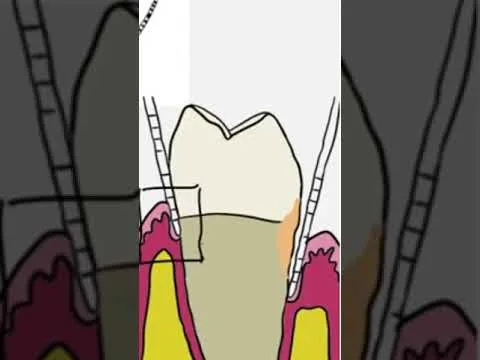
Image source: YouTube / PERIO HUB (YouTube thumbnail (fair-use with source credit))
It’s not about being overly cautious. It’s about giving your body the best possible environment to heal. And that starts with every bite you take.
The First 24 Hours: The “Liquid Only” Window
The procedure itself numbs your mouth, but once the anesthetic wears off, usually within a few hours, the tenderness kicks in. For the first full day, your top priority is avoiding anything that requires chewing or creates pressure.
Stick to these:
- Cool water, sip, don’t gulp. Room temperature is fine.
- Broth, chicken, beef, or vegetable. Let it cool to lukewarm. Hot broth can increase bleeding.
- Smoothies: blend soft fruits like bananas or berries with milk or yogurt. No seeds, no nuts, no added sugar.
- Milkshakes or protein shakes, good source of calories and protein. Avoid using a straw.
- Applesauce, the unsweetened kind. Chunks or cinnamon are fine if they’re soft.
- Yogurt, plain or flavored. Greek yogurt has more protein, which helps tissue repair.
What to skip in the first 24 hours:
| Avoid | Why |
|---|---|
| Hot coffee or tea | Heat can dissolve the clot and increase bleeding |
| Carbonated drinks | Bubbles create pressure and irritation |
| Citrus juice (orange, grapefruit) | Acid burns raw gum tissue |
| Crunchy foods (chips, nuts, crackers) | Particles lodge in pockets and cause pain |
| Dairy with added seeds or granola | Seeds get stuck, hard pieces hurt |
Stay hydrated. Your body needs fluid to create a stable clot and flush out bacteria. Aim for at least 8 glasses of water over the day, but spread them out so you’re not guzzling.
If you’re hungry, keep it liquid. Bone broth is excellent, packed with collagen and minerals that support gum repair. A smoothie with a scoop of protein powder gives you energy without making your mouth work. Exploring How to Clean a PEG Tube at Home.
Days 2–3: Moving to Soft, Mashable Foods
By the second morning, the worst of the soreness usually fades. Your gums will still feel tender, especially if you press on them, but you can start introducing foods that require minimal chewing.
The key is texture. Everything should be soft enough that you can squash it against the roof of your mouth with your tongue. No tearing, no grinding.
Good options for days 2 and 3:
- Scrambled eggs, cook them slow and keep them moist. Overcooked or dry eggs can be crumbly and irritating.
- Mashed potatoes, with butter or cream, but skip the pepper or chili flakes. Keep them smooth.
- Oatmeal or cream of wheat: let it cool to warm. Avoid adding nuts, seeds, or dried fruit.
- Soft pasta: overcook it slightly so it’s mushy. Plain butter pasta, mac and cheese (cooled), or pasta with a smooth marinara (no chunks).
- Avocado, mash it on a soft bread roll, or eat it straight. Healthy fats help reduce inflammation.
- Bananas: ripe ones are naturally soft. Avoid green or firm bananas.
- Cottage cheese, watch for large curds. Small-curd or whipped is best.
- Pudding, custard, or Jell-O, easy to swallow, no chewing required.
- Steamed fish, flake it apart with a fork. Salmon or cod works well. Avoid crispy skin or breading.
What still needs caution:
- Bread with a hard crust; the crust can scrape the gum line
- Rice: individual grains can get stuck in healing pockets
- Soup with chunky vegetables or meat, fine if you blend it smooth first
By day three, most people can handle slightly more texture, think canned tuna mixed with mayo, or refried beans (no spicy seasoning). But listen to your gums. If something hurts, don’t force it.
Wait another day.
The Complete Safe Foods List (Your Go-to Reference)
Here’s a clean, scannable list of everything that’s generally safe to eat during the first week after deep cleaning. Print it, save it on your phone, or stick it on your fridge.
| Category | Safe Choices |
|---|---|
| Dairy | Yogurt (plain or flavored, no seeds), cottage cheese (small curd), soft cheese (cream cheese, ricotta), milk, pudding, custard |
| Fruits | Applesauce, ripe bananas, mashed avocado, peeled peaches or pears (canned or very ripe), melon balls (soft), fruit smoothies |
| Vegetables | Mashed potatoes, pureed cooked carrots or squash, creamed spinach (cooled), well-cooked green beans (diced small) |
| Proteins | Scrambled eggs, soft-cooked fish (salmon, cod, tilapia), finely shredded chicken in broth, silken tofu, refried beans (not spicy) |
| Grains | Oatmeal, cream of wheat, soft-cooked pasta (macaroni, angel hair), white rice (very well-cooked and kept moist), soft bread (no crusts, toast lightly, dip in milk or soup) |
| Soups & Broths | Chicken or beef broth, miso soup (no solids, not too hot), cream soups (tomato, mushroom, potato — blender-smooth and cooled) |
| Drinks | Water (cool or room temp), milk, decaf tea (lukewarm), electrolyte drinks (avoid acidic ones like lemon-lime), protein shakes (no straw) |
General rule of thumb: If you could eat it easily with a spoon while lying down, you’re probably fine.
One note on hydration: avoid any drink with a straw for at least a week. The sucking action creates negative pressure that can pull the clot right out of the pocket. That’s a one-way ticket to dry socket, which is far more painful than any craving for a smoothie is worth.
Foods to Absolutely Avoid for the First Week
Some foods are more than just uncomfortable. They can actively damage the healing site, delay recovery, or cause infection. Here is the list of things to skip entirely for the first seven days.
- Crunchy or hard foods: chips, nuts, seeds, popcorn, pretzels, crusty bread, tortilla chips, granola. The sharp edges scrape the gum tissue. Small particles wedge into the open pockets and cause irritation or infection.
- Spicy foods: hot sauce, chili, curry, black pepper, cayenne. Capsaicin inflames already tender gums. It can also trigger a burning sensation that lasts for hours.
- Acidic foods and drinks: citrus fruits (oranges, grapefruit, lemons), tomatoes, vinegar, pickles, orange juice, lemonade. Acid eats into raw gum tissue and slows healing.
- Sticky or chewy foods: caramel, taffy, dried fruit, gum, gummy candies, chewy granola bars. These pull at the gumline when you chew and can dislodge the blood clot.
- Hot foods and drinks: coffee, tea, soup, hot chocolate, anything served steaming. Heat dissolves the protective clot and encourages bleeding. Wait until everything is lukewarm or room temperature.
- Alcohol: beer, wine, liquor, even mouthwash containing alcohol. Alcohol thins the blood, increases bleeding, and delays tissue repair.
- Carbonated drinks: soda, sparkling water, seltzer. The bubbles create pressure in the mouth and can lift the clot. Many carbonated drinks are also acidic.
Image source: YouTube / Bite Society (YouTube thumbnail (fair-use with source credit))
If you accidentally eat something from this list, don’t panic. Rinse your mouth gently with cool water. Watch for bleeding or increased pain.
One slip-up usually won’t cause disaster, but repeated risks add up.
Common Mistakes That Can Ruin Your Recovery (Straws, Heat, and Spice)
Why can’t I use a straw after a deep cleaning?
The suction from a straw creates negative pressure inside your mouth. That pressure can pull the blood clot right out of the periodontal pocket. Once the clot is gone, the bone underneath is exposed to air, food, and bacteria.
That condition is called dry socket, and it hurts badly.
Dry socket after a deep cleaning is less common than after a tooth extraction, but it still happens. The American Dental Association notes that any procedure involving the gums creates a risk. Play it safe: no straws for at least one full week.
Is it really that bad to eat hot food?
Yes. Heat increases blood flow to the area, which sounds helpful but actually works against you. Warmth can soften and dissolve the fibrin clot that seals the pocket.
Stick to room temperature or cool foods for the first 48 hours. After that, “warm” is okay if you test it on your wrist first. If it feels hot to your skin, it’s too hot for your gums.
What about spicy seasonings in small amounts?
Even a little black pepper or cinnamon can sting raw gum tissue. The gums are less protected after scaling because the thin layer of surface cells has been disturbed. Spicy compounds penetrate easily and cause a sharp, lingering pain.
Our research consistently shows that people who avoid all spice in the first week report significantly less post-procedure discomfort.
Other common mistakes to watch for:
- Rinsing too soon or too hard: Don’t rinse for the first 24 hours at all. After that, use a gentle salt water rinse (½ teaspoon salt in 8 oz warm water). Swish softly. No vigorous spitting or gargling.
- Chewing on the treated side: If both sides were cleaned, chew with your front teeth or stick to foods that don’t require chewing. If only one side was done, avoid that side for at least three days.
- Skipping hydration: Dry mouth increases bacterial growth. Sip water regularly throughout the day.
- Returning to normal brushing too aggressively: Use a soft-bristle toothbrush for the first two weeks. Brush gently around the treated areas. Don’t floss between treated teeth until your dentist says it’s safe.
How to Tell You’re Healing Normally vs. When to Call the Dentist
After a deep cleaning, some discomfort is normal. But knowing the difference between expected healing and a problem can save you a lot of pain.
Normal healing signs
- Mild soreness that peaks around 6 to 12 hours after the procedure, then gradually fades over 2 to 3 days.
- Slight bleeding when you rinse or spit for the first 24 to 48 hours. Small amounts of pink in your saliva are normal.
- Gum swelling that lasts 24 to 72 hours. It should start going down by day three.
- Tooth sensitivity to cold air or cool water. This happens because the roots are now exposed where tartar used to cover them. It usually improves within a week or two.
- A dull ache that feels like pressure, not sharp pain. Over-the-counter pain relievers (acetaminophen or ibuprofen) control it well.
Warning signs that need a dentist
- Sharp, intense pain that gets worse instead of better after 24 hours. This could indicate dry socket or an infection.
- Bright red bleeding that doesn’t stop after 10 minutes of gentle pressure with a clean gauze pad.
- Pus or foul taste in your mouth. This is a classic sign of infection.
- Fever over 100.4°F (38°C). Any fever after a dental procedure warrants a call.
- Swelling that spreads to your face, jaw, or neck, especially if it gets worse after day three.
- Difficulty swallowing or breathing. This is a medical emergency. Go to the ER.
If any of these warning signs appear, call your dentist’s office immediately. Most offices keep an after-hours number for emergencies. Don’t wait and “see if it gets better.” Infections in the mouth can escalate quickly.
A Sample Day of Eating After Deep Cleaning (Real Meal Ideas)
Planning your meals ahead of time makes recovery much easier. Here is a practical day of eating for day two post-procedure, when you can handle soft solids but still need to be careful.
Breakfast
- One serving of plain Greek yogurt (protein helps healing)
- One ripe banana, mashed with a fork
- Cup of lukewarm decaf tea with a splash of milk
- Water
Mid-morning snack
- Small bowl of applesauce (unsweetened)
- Glass of water
Lunch
- One cup of cream of mushroom soup (cooled to lukewarm, blended smooth if chunky)
- Half an avocado, scooped out and eaten with a spoon
- Water
Afternoon snack
- Small smoothie: ½ cup milk, ½ cup frozen blueberries, one scoop vanilla protein powder, one tablespoon honey. Blend until completely smooth.
- Water
Dinner
- Two scrambled eggs cooked soft with a little butter
- Half cup of mashed potatoes (no pepper, no garlic powder)
- One cup of well-cooked, very soft pasta (angel hair, overcooked) with a pat of butter
- Water
Evening snack (optional)
- One cup of pudding or a small bowl of Jell-O
- Water
Important notes: All food should be at room temperature or lukewarm. Don’t add salt, pepper, hot sauce, or any spice. Chew slowly and on both sides if you can.
If any food hurts, stop eating it and switch to a liquid alternative.
For day one, replace the eggs and pasta with bone broth and an extra smoothie. For day three and beyond, gradually introduce slightly firmer foods like canned tuna with mayo, soft bread without crusts, or steamed fish.
The Role of Hydration, Salt Rinses, and Gentle Oral Care
Your diet matters, but so does what you do between meals. Three practices directly support gum healing after deep cleaning: staying hydrated, using salt rinses, and brushing carefully.
Hydration
Water is your simplest tool. It keeps the mouth moist, washes away food particles, and supports blood flow to healing tissue. Drink at least eight glasses of water per day during recovery.
Avoid sipping through a straw. Sip from the glass directly.
If plain water feels boring, try cucumber-infused water or a splash of milk. Avoid anything with sugar or acid.
Salt water rinses
The American Academy of Periodontology recommends warm salt water rinses starting 24 hours after your procedure. Salt water is a natural disinfectant. It reduces swelling, soothes sore gums, and keeps bacteria levels low.
How to do it properly:
- Mix ½ teaspoon of table salt into 8 ounces of warm (not hot) water.
- Swish gently for 30 seconds. Do not swish vigorously or pull the water between your teeth with suction.
- Tilt your head slightly and let the water sit around the treated area.
- Let the water fall out of your mouth over the sink. Do not spit forcefully.
- Repeat 2 to 3 times per day, especially after meals.
Do this for at least one week. Many dentists recommend continuing daily salt rinses until your follow-up appointment.
Gentle brushing and oral care
You still need to brush your teeth. But the treated areas need special care.
- Use a soft-bristle toothbrush for the first two weeks. Medium or hard bristles can scrape the healing gums.
- Brush gently around the treated sites. Use small circular motions. Don’t scrub back and forth.
- Avoid the area directly for the first 24 hours. Start brushing near the treated gums but not directly on them until day two.
- Don’t floss between the treated teeth until your dentist tells you it’s safe. Flossing too early can dislodge the clot.
- Skip mouthwash with alcohol for at least one week. If you use a therapeutic mouthwash, choose an alcohol-free version.
Aggregate patient feedback indicates that people who follow these three practices consistently heal faster and report less pain than those who skip them. Your mouth is doing a lot of work right now. Give it the clean, calm environment it needs.
Long-Term Food Habits for Stronger Gums and Fewer Cleanings
Your diet after the first week still matters. A mouth-friendly eating pattern helps prevent future tartar buildup and keeps your gums tight around your teeth.
Focus on whole foods. Crunchy raw vegetables like carrots and celery are fine once your gums heal. They stimulate saliva production and scrub plaque from tooth surfaces.
Dairy products provide calcium and casein, which strengthen enamel. Leafy greens supply vitamin K, a nutrient linked to lower gum disease risk.
Limit sugar. Bacteria in plaque feed on sugar. Every time you eat something sweet, you feed the biofilm that eventually turns into tartar.
That tartar is exactly what deep cleaning removes. Cutting back on sugar means your next cleaning might be faster and less invasive.
As of 2026, the American Academy of Periodontology continues to emphasize that anti-inflammatory diets rich in omega-3s, vitamin C, and fiber support long-term periodontal health. Think salmon, walnuts, berries, and bell peppers. Small changes add up over time.
Frequently Asked Questions About Post–Deep Cleaning Eating
Can I eat ice cream after a deep cleaning?
Yes, but let it soften first. Hard ice cream can hurt. Choose a cold, soft variety and eat it with a spoon.
Avoid cones, toppings with nuts, or chocolate chips.
How long do I need to avoid crunchy foods?
Most people can handle crunchy foods after day 7, but test carefully. Start with something soft like a well-cooked potato chip. If it hurts, wait another 3 days.
Is it safe to drink coffee after 48 hours?
Coffee is acidic and hot. Both are problematic. Wait until day 5 at the earliest.
Let it cool to lukewarm. Skip sugar and cream if they irritate.
Can I eat bread after a deep cleaning?
Soft bread without crusts is okay from day 3. Avoid crusty rolls, baguettes, or toast. Dip the bread in milk or soup to soften it further.
When can I use a straw again?
Wait at least 7 full days. The blood clot needs that long to stabilize. Using a straw too early is the fastest way to get a dry socket.