
Deciding when to turn your child’s car seat around is a major milestone for every parent. It is easy to feel confused by the conflicting advice from relatives, friends, and outdated online forums regarding what age can baby face forward in car seat.
While the transition makes loading your child much easier, safety science and pediatric guidelines have shifted dramatically over the last decade. Understanding the physical development of your child is key to keeping them safe on the road.
Quick Answer
A baby should remain in a rear-facing car seat until they reach the maximum height or weight limit of their specific convertible car seat. For most modern seats, this means waiting until they are at least 2 years old. Safety experts recommend keeping children rear-facing as long as possible, often up to age 4.
The Safety Stakes: Why Car Seat Direction Matters So Much
Car crashes remain a leading cause of injury for young children, making proper car seat installation and direction a literal matter of life and death. The direction your child faces determines how crash forces are distributed across their body.
During a collision, a vehicle stops almost instantly, but everything inside continues moving forward at the pre-crash speed. A forward-facing child’s body is held back by the harness straps, but their head is thrown forward with immense force.
For a baby or young toddler, this sudden movement can cause catastrophic damage to the spine and neck. Rear-facing seats prevent this by supporting the head, neck, and torso together, neutralizing the primary forces of a crash.
The Medical Truth: How Rear-Facing Protects Developing Anatomy
Keeping your child rear-facing is not an arbitrary rule; it is a safety measure based on how a child’s skeleton develops.
An infant’s skull is not fully formed bone. It consists of separate plates held together by cartilage. Furthermore, a baby’s head makes up approximately 25 percent of their total body weight, compared to just 6 percent for an adult.
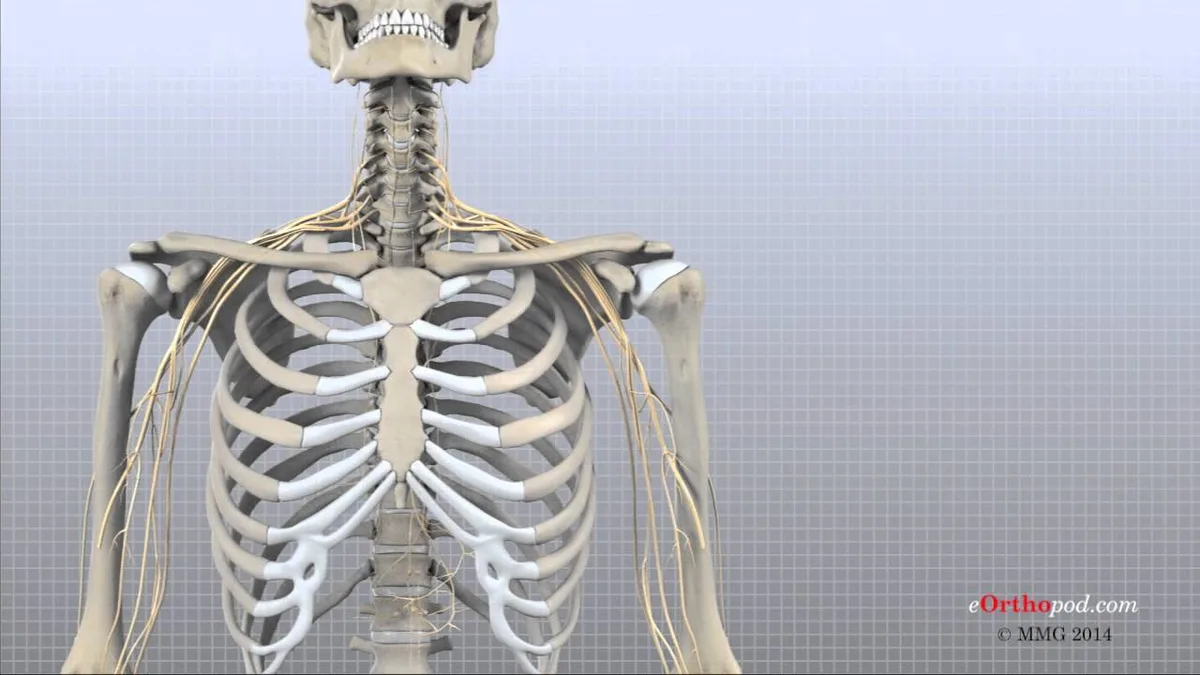
Image source: YouTube / Randale Sechrest (YouTube thumbnail (fair-use with source credit))
Their neck muscles and spinal ligaments are still highly elastic. In a forward-facing crash, the heavy head pulls forward while the harness holds the torso back. This stretch can easily rupture the delicate spinal cord, a tragedy known medically as internal decapitation.
When rear-facing, the hard shell of the car seat acts as a protective shield. The back of the seat cradles the child’s head and spine, absorbing the crash energy and distributing it evenly across the strongest part of their body.
Medical research published by the American Academy of Pediatrics confirms that riding rear-facing is significantly safer for toddlers, which is why experts urge parents not to rush the transition.
The Transition Checklist: Three Rules Before Moving Forward
Before you decide to flip that car seat, your child must clear three crucial hurdles. Never make the transition based on age alone.
1. State Laws and Legal Mandates
As of 2026, the majority of US states have updated their vehicle codes to mandate that children remain rear-facing until at least age 2. Some states penalize parents with hefty fines for premature transitions. Always check your local department of transportation website to ensure you comply with the current legal minimums in your area.
2. Individual Car Seat Height and Weight Limits
Car seats are not created equal. An infant carrier bucket seat has relatively low limits, often forcing a transition to a convertible seat around 30 to 35 pounds, or when the child’s head is within one inch of the top of the plastic shell.
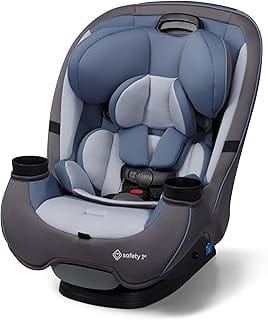
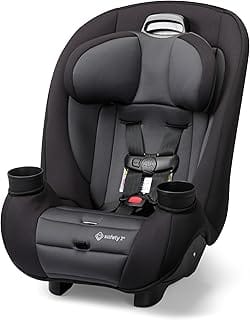
Convertible seats are much larger and can safely house a rear-facing child up to 40, 45, or even 50 pounds, depending on the manufacturer’s specifications. Your child has not outgrown their rear-facing seat until they hit the maximum height or weight limit printed on the side label.
3. Your Child’s Physical Development
Every child grows at a different pace. A taller, leaner toddler might reach the height limit of their seat before they hit the weight limit. Conversely, a stockier child might hit the weight limit first.
You must keep the seat rear-facing until either of these limits is fully reached. Do not actively look to transition early just because your child is having trouble sleeping in the car, or because you are searching for simple routines for better sleep, and assume a forward-facing view will soothe them. Physical skeletal strength must always take priority over convenience.
Comparing the Positions: Rear-Facing vs. Forward-Facing
Making an informed choice means comparing how these two seating configurations handle the everyday realities of travel and safety.
Side-by-Side Safety and Practical Comparison
| Feature | Rear-Facing Position | Forward-Facing Position |
|---|---|---|
| Primary Safety Mechanism | Shell cradles the spine and absorbs impact forces. | Harness restrains the torso, and the head is thrown forward. |
| Risk of Spinal Injury | Extremely low/optimized protection. | Higher risk for children under age 2. |
| Leg Positioning | Legs are bent, crossed, or resting on the vehicle seat. | Legs dangle, placing tension on knees over long trips. |
| Harness Strap Position | At or below the child’s shoulders. | At or above the child’s shoulders. |
| Driver Visibility | Requires a back-seat mirror to see the child. | Direct view of the child in the rearview mirror. |
While parents often worry about leg room in the rear-facing position, children are highly flexible. They naturally find comfortable ways to sit, and bent knees are not a safety hazard in a crash.
If you are currently packing your vehicle for a family trip and comparing gear, perhaps coordinating with compact items like top travel strollers for newborns, remember that keeping the car seat rear-facing remains your primary line of defense on the highway.
Common Pediatric Misconceptions and Parental Concerns
It is natural to worry about your child’s comfort and happiness during car rides. However, many common concerns are based on myths rather than safety facts.
“Aren’t Their Legs Cramped and Uncomfortable?”
Children do not have the stiff joints of adults. They easily sit with their legs crossed, folded, or extended up the vehicle seatback. This is perfectly safe.
In a crash, a rear-facing child’s legs fold inward toward their body, which is highly protective. When forward-facing, their legs fly forward and often strike the front seatback, which actually increases the risk of lower-extremity fractures.
“They Cry Because They Can’t See Me”
If your baby is fussy, it is rarely because of the direction they are facing. Toddlers often cry due to teething, boredom, or digestive issues. If your little one is dealing with tummy discomfort, trying targeted newborn gas remedies or adjusting their feeding schedule is more likely to help than turning their seat forward.
You can also use a soft, shatterproof mirror on the back-seat headrest so you can keep an eye on each other.
“What if We Get Rear-Ended?”
Parents sometimes worry that a rear-facing seat is dangerous during a rear-end collision. However, the most severe, high-speed crashes on our roads are frontal and offset frontal collisions.
Even in a rear-end crash, the physics of car design and the crumple zones of your vehicle protect the rear-facing child. The seat still provides superior containment for the head and neck compared to a forward-facing model.
How to Correctly Transition a Convertible Car Seat to Forward-Facing
When your child finally reaches the maximum height or weight limit of their rear-facing seat, you can make the switch.
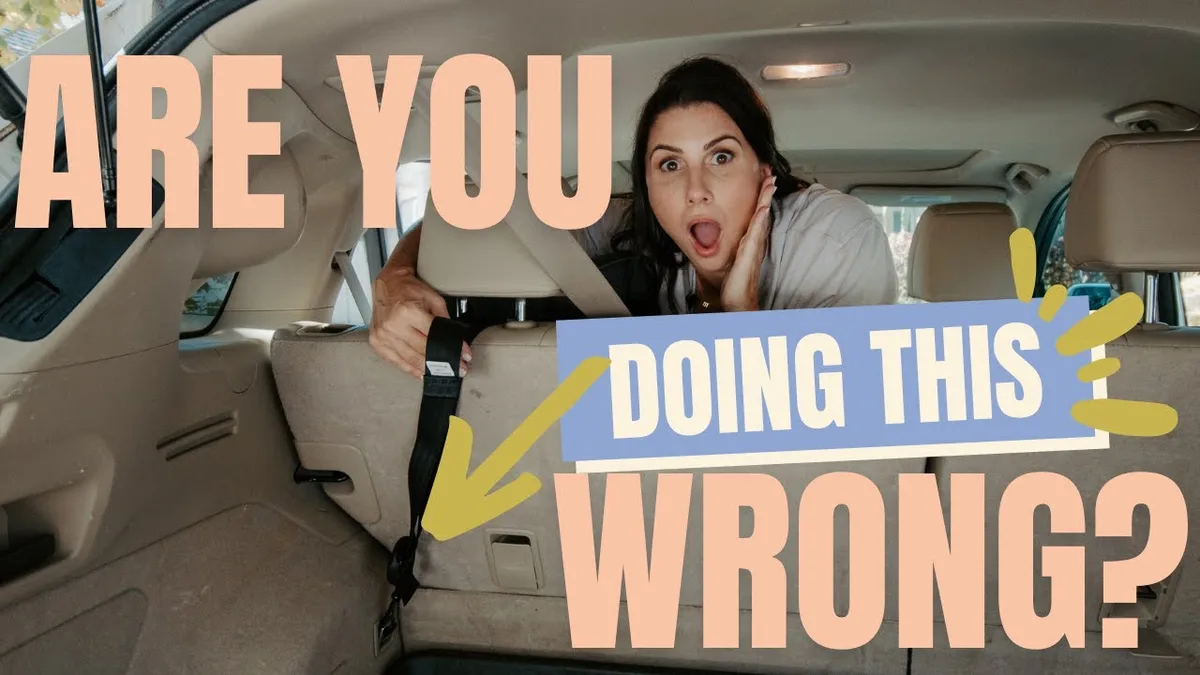
Image source: YouTube / Safe in the Seat (YouTube thumbnail (fair-use with source credit))
Follow these critical steps to ensure the seat is installed correctly.
Step 1: Adjust the Five-Point Harness Height
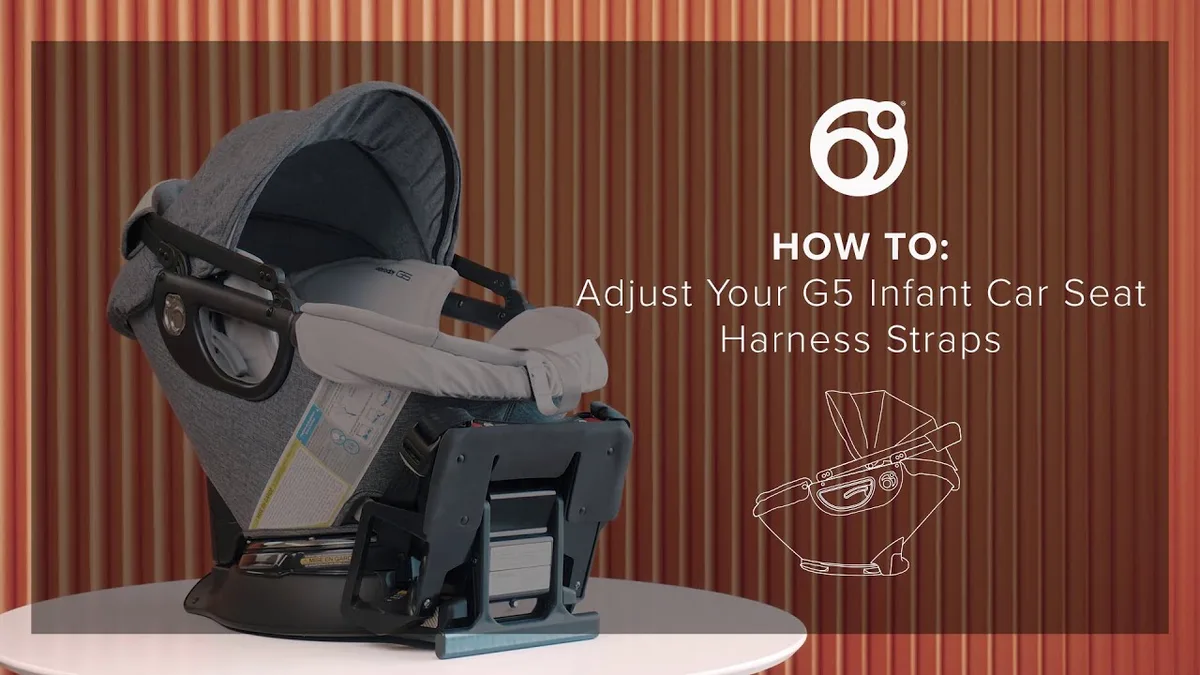
For a rear-facing child, the shoulder straps must emerge from the seat back at or below the child’s shoulders. When you turn the seat forward-facing, this rule flips. The harness straps must now be adjusted so they are at or above the child’s shoulders to properly restrain them.
Step 2: Relocate the Crotch Buckle Position
Many convertible car seats have multiple slots for the bottom crotch buckle. When transitioning to forward-facing, check your seat manual. You will likely need to move the buckle to the outer slot to accommodate your growing child’s larger frame.
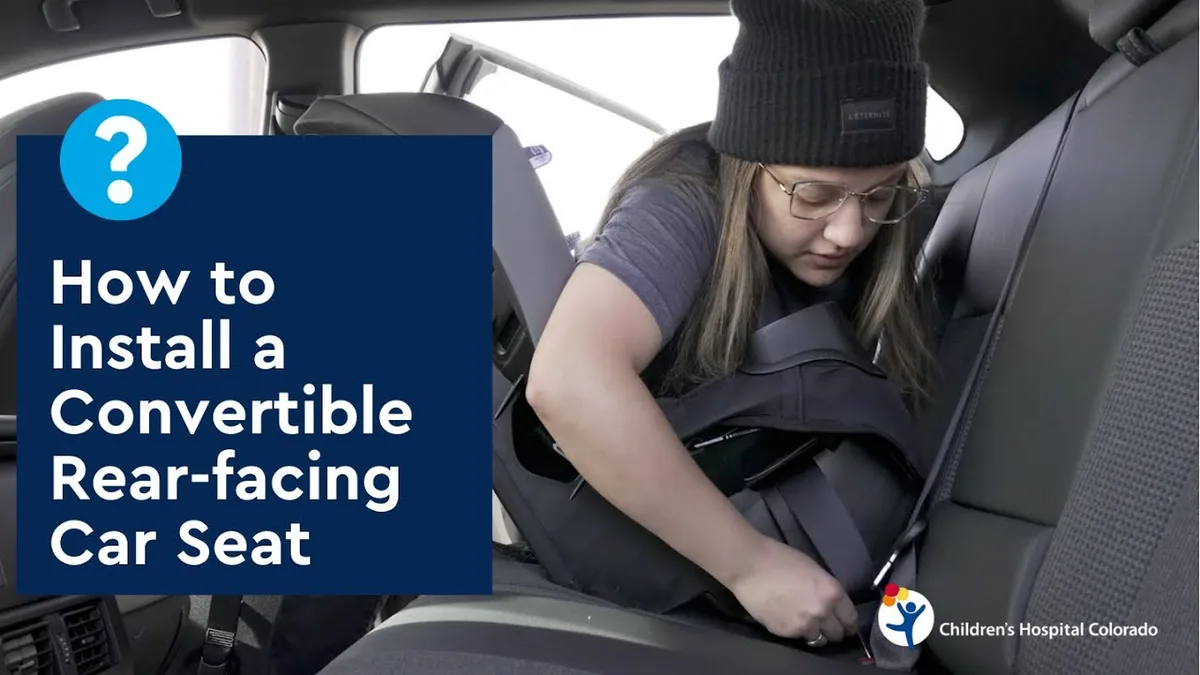
Step 3: Route the Seat Belt or LATCH Strap Through the Forward-Facing Belt Path
Car seats have two separate paths for the seat belt or lower LATCH straps. Do not use the rear-facing belt path. Thread your vehicle seat belt or LATCH connectors through the designated forward-facing path, which is located directly under the child’s back.
Step 4: Engage and Tighten the Top Tether (The Most Skipped Step)
This is the single most critical step of a forward-facing installation. Locate the long strap on the back of the car seat. Route it over the vehicle seatback and clip it to the designated anchor point in your car.
Pull it tight. This tether prevents the top of the car seat from pivoting forward during an impact, reducing forward head movement by up to 8 inches.
Step 5: Perform the One-Inch Movement Test
Once the seat is buckled and tethered, grab the seat at the belt path with both hands. Give it a firm tug side-to-side and front-to-back. The car seat should not move more than one inch in any direction.
If it moves too much, tighten the straps or try a different installation method.
Dangerous Errors to Avoid During the Transition
Even well-meaning parents can make critical mistakes during this transition phase.
- Using LATCH and the seat belt at the same time: Unless your car seat manual explicitly states otherwise, only use one of these systems. Linking both can place unintended stress on the seat shell during a crash.
- Leaving the harness too loose: You must perform the pinch test. If you can pinch any webbing of the harness straps at your child’s collarbone, the harness is too loose. It should be snug, flat, and free of twists.
- Forgetting to readjust the chest clip: The chest clip is designed to keep the harness straps positioned correctly on the shoulders. It must always be level with your child’s armpits.
To minimize distractions while driving, you can use a high-quality white noise machine for the baby to keep them calm without needing to reach into the back seat to offer comfort.
When is the Next Step? Moving from Forward-Facing Harness to Booster Seat
Do not rush the transition out of the five-point harness either. A child should remain in a forward-facing car seat with a harness until they completely outgrow its limits, which is often around 50 to 65 pounds.
A high-back booster seat uses the vehicle’s adult seat belt. For the belt to fit safely across the child’s strong collarbone and hips, the child must be tall enough and mature enough to sit still for the entire ride without slouching or playing with the belt. Most children are not ready for a booster seat until they are at least 5 years old.
Frequently Asked Questions
Can a 1-year-old face forward in a car seat if they are tall?
No, a 1-year-old child should not face forward, regardless of their height. At age 1, a child’s bones and spinal ligaments are still highly fragile. Keep them rear-facing in a convertible seat that accommodates their height.
What happens if I turn my baby forward-facing too early?
Turning your baby forward-facing too early exposes their delicate neck and spine to extreme forces during a crash. This greatly increases the risk of severe spinal cord injury, paralysis, or death.
Is it okay if my toddler’s feet touch the vehicle seatback?
Yes, this is completely safe and normal. Toddlers are highly flexible and will comfortably bend their knees, cross their legs, or rest them on the seatback. It does not cause leg injuries during a crash.
How do I know if my child has outgrown the rear-facing seat?
Your child has outgrown their rear-facing seat when they reach the maximum weight limit, or when the top of their head is within one inch of the top of the car seat plastic shell.
Recommended Action Plan for Parents
To ensure your child is traveling as safely as possible, start by looking up the specific height and weight limits on your car seat labels. Keep your child rear-facing until they hit the maximum limit of that seat.
When you do make the switch, read your car seat and vehicle manuals carefully to find the correct forward-facing belt path and top tether anchor points. Finally, search online for a certified Child Passenger Safety Technician in your area to inspect your installation for free, giving you ultimate peace of mind on every trip.
Dangerous Errors to Avoid During the Transition
If you have decided your child is ready to face forward, you must ensure you do not commit any of the common installation mistakes that compromise their safety. Our research shows that even seasoned parents often carry over rear-facing habits that do not apply to a forward-facing setup.
First, never use both the LATCH system and the vehicle seat belt simultaneously to secure the seat. Many parents believe this provides double the protection, but it actually places conflicting stresses on the car seat frame during an impact. Use one or the other, but always use the top tether regardless of your choice.
Second, do not leave winter coats on your child under the harness. Thick, puffy jackets compress instantly under crash forces, leaving the harness dangerously loose and increasing the risk of ejection. Buckle your child in their regular layers first, then drape their coat or a blanket over the buckled harness if they are cold.
Third, ensure you are using the correct belt path. Passing the seat belt or LATCH strap through the rear-facing belt path while the seat faces forward is a catastrophic error. It allows the bottom of the seat to slide forward completely unchecked during a sudden stop.
When is the Next Step? Moving from Forward-Facing Harness to Booster Seat
Your child is ready to transition to a booster seat only when they have fully outgrown the height or weight limits of their forward-facing harness. This transition typically occurs between 5 and 7 years of age, depending on the child’s growth rate.
While a five-point harness holds a child securely in place, a booster seat simply positions the adult vehicle seat belt so it fits their smaller frame safely. The lap belt must sit low across their strong hip bones, and the shoulder belt must cross the center of their chest and collarbone.
To safely use a booster, your child must also possess the developmental maturity to sit properly for the entire ride. If they slouch, wiggle, lean over to play with toys, or pull the shoulder belt under their arm, they must remain in a five-point harness.
If your toddler is a restless sleeper on long journeys, establishing calming habits can help them stay still. You might try incorporating a familiar pacifier for newborn or toddler use during transition phases, or relying on soothing routines to keep them relaxed in their harness.
Frequently Asked Questions
What is the 3 6 9 rule for babies?
The 3 6 9 guideline is a developmental milestone framework used by parents to track major growth phases. While it helps you understand feeding, sleep, and motor skills, it does not dictate car seat safety or transition age limits. For car seat transitions, you must rely solely on the height and weight requirements listed by your seat manufacturer.
Learn more about developmental phases by reading about what is the 3 6 9 rule for babies to help track your child’s natural milestones.
Why does my baby cry so much when rear-facing?
Babies often cry due to motion sickness, teething, separation anxiety, or simple boredom from the enclosed space. Turning them forward-facing early is not a safe solution. Instead, try adjusting their clothing to prevent overheating, offering safe backseat toys, or ensuring they do not have trapped bubbles by mastering how to burp a newborn baby properly before taking long trips.
What should I do if my baby wakes up every hour on road trips?
Frequent waking usually stems from discomfort, a disrupted routine, or environmental stimulants. Keep the vehicle cabin quiet and dim. If you find yourself asking why does my baby wake up every hour during regular nights and travel, look into temperature changes, diaper wetness, or mild motion sickness before assuming the car seat angle is the sole issue.
Is a high-back or backless booster seat safer?
A high-back booster is generally safer for younger children who have transitioned out of a harness. It provides crucial side-impact protection and helps position the vehicle’s shoulder belt correctly. Backless boosters are convenient for older, taller children who already have the torso height to keep the vehicle shoulder belt centered on their collarbone.
Can I place a forward-facing car seat in the front passenger seat?
No, children under the age of 13 should always ride in the back seat. Front-passenger airbags deploy with immense speed and force. This deployment can cause severe, life-threatening injuries to a child in a car seat, regardless of whether they are facing forward or backward.
Recommended Action Plan for Parents
To maximize your child’s safety, keep them in a rear-facing position for as long as possible, up to the maximum height or weight limit of their convertible car seat. Do not rush to turn them around just because they have reached their second birthday or because their legs touch the vehicle seatback.
When they finally outgrow the rear-facing limits, transition them to a forward-facing seat with a five-point harness. Ensure the harness straps are positioned at or above their shoulders, and always secure the top tether to your vehicle’s anchor point.
Finally, remember that car seat safety is a gradual journey. From selecting the right nipples on baby bottles for breastfed babies to choosing the safest bath support like a newborn bath seat, every milestone requires matching the product to your baby’s exact physical measurements. Verify your car seat installation with a certified technician near you to ensure total peace of mind.
The preceding sections cover all steps, comparisons, anatomical safety data, state laws, and common parental concerns. No further sections from the table of contents remain. Your car seat is now fully optimized for safety.