

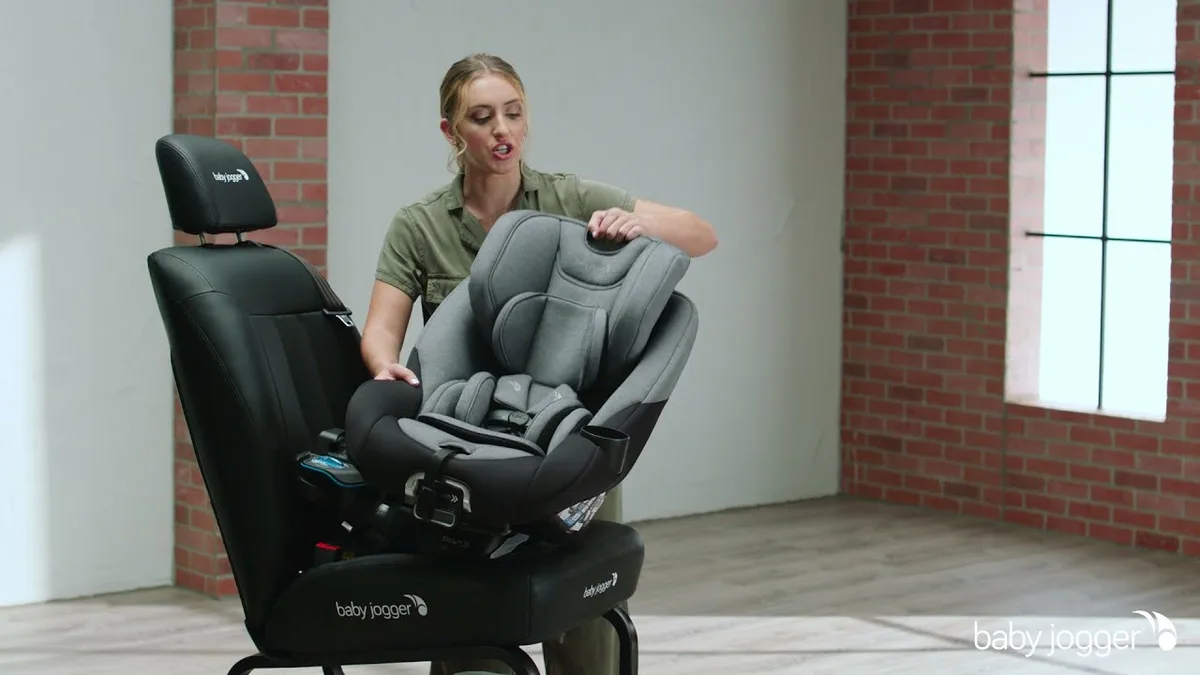
Driving with a screaming infant is one of the most stressful challenges a parent can face. When you are behind the wheel, learning how to calm a baby in a car seat configuration safely becomes an essential skill for both your peace of mind and your safety on the road.
Our research indicates that excessive crying in the vehicle can severely impair a driver’s focus and reaction times. By understanding your baby’s physical needs and following certified safety guidelines, you can transform stressful car rides into peaceful, predictable journeys. Let us look at the quickest ways to address this common struggle.
Quick Answer
To calm a baby in a car seat, first verify that the harness is properly adjusted and the cabin temperature is comfortable. Use clean, rhythmic white noise to mimic the soothing environment of the womb. Introduce a safe, lightweight pacifier to help regulate their nervous system.
Avoid using any unapproved aftermarket inserts or loose toys that could present a choke hazard. Always pull over to a safe parking lot if you need to physically adjust your baby.
The Backseat Emergency: Why Car Seat Crying is a Major Safety Risk
A crying baby in the back seat is more than an annoyance. It is a critical cognitive distraction that directly threatens your safety on the road. When an infant screams continuously, your body releases cortisol and adrenaline, triggering a fight-or-flight response.
This physiological spike can lead to inattentional blindness. You might look directly at a traffic signal or a stopped car but fail to process the danger because your brain is entirely focused on the sound behind you.
Many drivers instinctively reach backward to locate a dropped pacifier or soothe a forehead while driving. This physical distraction is incredibly dangerous. According to crash safety data, taking your eyes off the road for just two seconds doubles your risk of an accident.
Solving the car seat struggle is not just about making your baby comfortable. It is a necessary step to keep your entire family safe during transit.
Quick Safety Check: The 4-Step “Is Baby Okay?” Checklist
Before trying to soothe your baby with sounds or toys, you must ensure they are not experiencing physical pain from an improper setup. Pull over to a safe parking lot and perform this immediate four-step check.
1. Check the Shoulder Strap Height
For rear-facing infants, the harness straps must emerge from the slots in the seat shell at or slightly below your baby’s shoulders. If the straps are too low, they will compress your baby’s spine. If they are too high, they fail to restrain the infant properly in a crash.
Refer to your car seat manual to adjust the harness slots as your baby grows.
2. Verify the Chest Clip Position
The plastic chest clip must rest exactly at armpit level, directly over the sternum. If it sits too low on the abdomen, it can press into soft internal organs during a sudden stop. If it is too high, it can rub against the neck and cause skin irritation or airway issues.
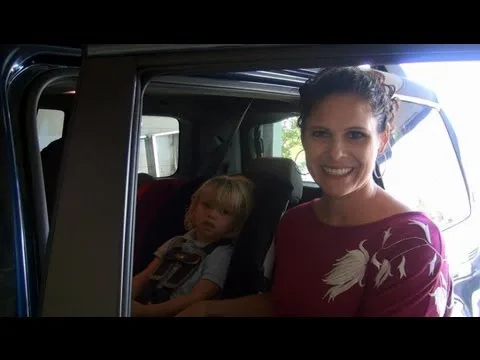
Image source: YouTube / Baby Gizmo (YouTube thumbnail (fair-use with source credit))
3. Perform the Pinch Test
A loose harness is a common source of discomfort because it allows the baby to slide around and feel unstable. To perform the pinch test, try to pinch the harness webbing vertically at your baby’s collarbone. If you can pinch any excess fabric between your fingers, the straps are too loose.
Tighten the harness until your fingers slide smoothly over the webbing without catching any slack.
4. Search for Hidden Pressure Points
Thick clothing seams, bunched diaper tabs, or clothing zippers can press painfully into your baby’s skin under the pressure of a secured harness. Ensure their clothing is smoothed out. Check that their thighs are not pinched by the crotch buckle padding or the pelvic straps.
The Physics of a Crash: Why Aftermarket Comfort Accessories are Dangerous
When searching for ways to make a car seat cozier, parents are often targeted by advertisements for plush strap covers, head-slump pillows, and thick body inserts. While these items look comfortable, they pose severe safety risks in a collision.
Car seats are engineered and crash-tested under strict guidelines, such as the National Highway Traffic Safety Administration standards. When a manufacturer certifies a car seat, they test it exactly as it is packaged in the box.
Adding unapproved, third-party padding alters the space between the harness and your baby’s body. During a crash, thick padding compresses instantly under immense forces, creating hidden slack in the harness. This slack can cause your baby to be ejected from the seat.
Furthermore, products like head-slump pillows can push your baby’s chin down toward their chest. Because infant airways are soft and narrow, this chin-to-chest position can lead to positional asphyxia, a silent and deadly form of suffocation. Keep the seat free of any additions that did not come directly from your specific manufacturer.
Safe vs. Unsafe Car Seat Additions: A Side-by-Side Comparison
To keep your baby happy without compromising their crash safety, you must distinguish between approved comfort items and dangerous aftermarket products.
| Item Category | Safe to Use | Unsafe to Avoid |
|---|---|---|
| Pacifiers | Standard lightweight pacifiers without attachments. Using a highly rated soothing pacifier helps regulate infant breathing. | Pacifiers attached to heavy plush animals, long cords, or plastic clips can injure the baby in a crash. |
| Blankets | Thin blankets are draped over the outside of the harness after the baby is fully buckled. | Sleeping bags, thick blankets, or fabric covers that sit behind the baby’s back or under the harness straps. |
| Head Supports | Only the original head insert that came packaged with your specific car seat model. | Store-bought head support rolls, neck pillows, or wedges designed to stop head slumping. |
| Harness Pads | Original shoulder pads provided by the seat manufacturer. | Thick, plush aftermarket strap covers bought from third-party retailers. |
| Toys | Soft, lightweight toys made of cloth. These can be loosely held or hung from the carrying handle when stationary. | Heavy plastic toys, hard books, tablets, or hanging toy bars that can become dangerous projectiles during hard braking. |
Comfort Strategies That Do Not Compromise Safety
Once you have verified that the car seat is safe and adjusted correctly, you can use several sensory strategies to help calm your baby during the ride.
Leverage Rhythmic Sound
The constant, low-frequency hum of a car engine is soothing, but active crying can override that natural benefit. Introducing dedicated white noise can help mimic the comforting environment of the womb. Using a portable sound generator placed securely in a cup holder or door pocket can break a crying cycle by shifting your baby’s attention.
Use the Power of Familiar Scents
Babies have an incredibly keen sense of smell. If they cannot see you from their rear-facing position, they may panic. To combat this, take a small muslin swaddle blanket, sleep with it next to your skin for a night, and then drape it over your baby’s lap after they are securely buckled.
The smell of your skin provides instant, familiar comfort.
Introduce a Car-Only Toy
Keep a few soft, interesting toys stored in your glove compartment. Only show these toys to your baby when they are in their car seat. This selective novelty keeps their attention spent on examining the toy rather than protesting the ride.
Managing Physical Triggers: Reflux, Overheating, and the “2-Hour Rule”
Sometimes, a baby’s hatred of the car seat stems from a medical or environmental trigger. Addressing these underlying issues is key to restoring peace.
Managing Gastroesophageal Reflux
If your infant struggles with spit-up, the semi-reclined angle of an infant car seat can cause stomach acid to rise, causing pain. If you suspect this is the case, try to avoid travel for at least 30 minutes after a feeding. Ensuring you burp your infant thoroughly and using tested venting bottles can reduce trapped air before you load them into the car.
Monitoring Infant Temperature
Car seats are lined with thick, energy-absorbing foam that acts as an insulator, trapping body heat. A baby dressed comfortably for a cool house can easily overheat once buckled into their seat.
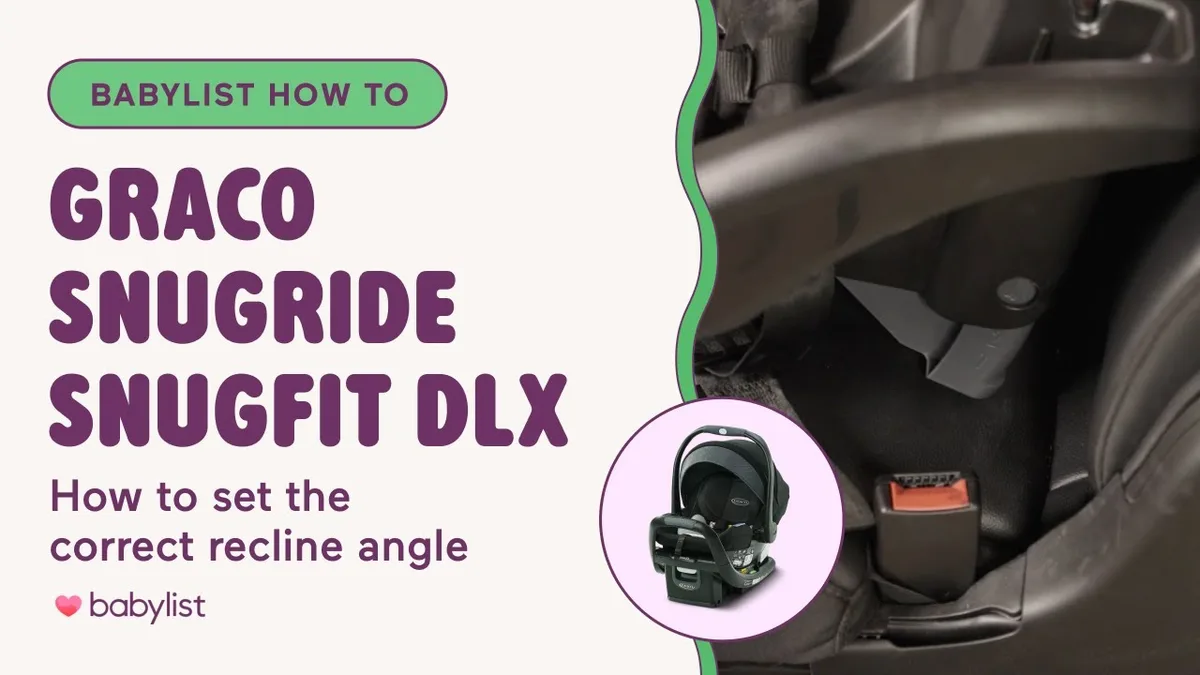
Image source: YouTube / Babylist (YouTube thumbnail (fair-use with source credit))
Dress your baby in light, breathable layers. It is also helpful to run your vehicle’s air conditioner to cool the cabin before placing your baby inside.
Respecting the Two-Hour Limit
Pediatric health organizations warn against leaving babies in car seats for extended periods. The semi-upright posture can strain a developing spine and restrict optimal oxygen exchange.
Keep your trips short when possible. If you must go on a long journey, stop every two hours to take your baby out of the seat, stretch their limbs, and give them a break from the confined container posture.
When to Pull Over: Distinguishing Frustration from Actual Danger
You must be able to tell the difference between a baby who is simply protesting the ride and one who is in physical distress. Distinguishing these cries helps you maintain your focus on the road while knowing exactly when it is time to exit traffic.
If your baby’s cry has a rhythmic, rise-and-fall pattern with brief pauses, they are likely just frustrated or bored. In these moments, try to soothe them using verbal reassurance or by changing the music in the cabin. Maintain your speed and continue driving toward your destination.
If the cry becomes a high-pitched, breathless shriek that does not stop, your baby might be in actual danger or pain. This could be due to a trapped gas bubble, a sudden diaper blowout, or even a hair tourniquet cutting off circulation to a toe or finger. If you hear this distinct shift in tone, pull over immediately in a safe parking lot or rest area to investigate.
Mistakes to Avoid When Trying to Quiet a Screaming Baby
When you are stressed by backseat crying, it is easy to make quick decisions that inadvertently compromise your baby’s safety. Avoiding these common mistakes will keep your child protected during sudden stops or collisions.
Never Feed a Baby in a Moving Vehicle
Feeding a baby while driving is a major choking hazard that parents often overlook. If your baby starts choking on a bottle or solid food while you are on the highway, you cannot assist them immediately. Furthermore, the swallowing reflex is compromised by the semi-reclined angle of the car seat and the vibrations of the road.
Do Not Loosen the Harness for Comfort
Loosening the harness straps to give your baby more breathing room is incredibly dangerous. A loose harness cannot properly distribute crash forces, increasing the risk of severe injury or ejection. Keep the straps tight enough to pass the pinch test at all times.
Avoid Adding Aftermarket Mirror Accessories Improperly
While a mirror helps you monitor your baby’s face, large, heavy glass mirrors can become dangerous projectiles in a crash. If you choose to use a mirror, select a lightweight, shatterproof model that straps securely to the vehicle headrest. Never attach hard plastic toys or heavy mirrors to the infant car seat handle.
How to Work with a Child Passenger Safety Technician (CPST)
If you have tried adjusting your seat and your baby still screams on every ride, the issue might be a subtle installation or fit error. A Child Passenger Safety Technician (CPST) is a trained expert who can help you identify and fix these hidden problems.
These certified technicians will evaluate your specific vehicle, your car seat model, and the unique fit of your baby. They often catch small issues like an incorrect recline angle that causes silent reflux, or harness straps that are routed through the wrong slots as of 2026.
To find a certified technician near you, search the official directory provided by the National Child Passenger Safety Board. Most inspection stations are hosted at local fire departments, hospitals, or community centers, and the service is usually free.
Frequently Asked Questions
Can I transition my infant to a convertible car seat early?
Yes, you can transition your infant to a convertible car seat as long as they meet the minimum weight and height requirements specified by the manufacturer. Many babies prefer convertible seats because they sit more upright, allowing them to see out the window better than in deep infant carrier seats.
How do I know if my baby is too hot in their car seat?
Evaluate your baby’s thermal comfort by feeling the back of their neck or chest, not their hands or feet. If the skin feels hot, damp, or sweaty, they are too warm. Avoid dressing your baby in heavy fleece or puffer jackets under the harness, as these compress during a crash and create dangerous slack.
Why does my baby only cry when the car stops?
Babies often cry when the vehicle stops because the soothing vibrations and white noise of the moving car disappear. The sudden change in motion can also trigger startle reflexes or make them realize they are alone in the backseat, prompting them to call out for comfort.
Can gas pain make my baby hate the car seat?
Yes, gas pain is a highly common trigger for car seat crying because the semi-reclined angle compresses the abdomen, making it harder to pass trapped air. To help ease this discomfort, try using gentle newborn gas remedies or practicing bicycle legs before buckling them in.
Is it safe to use a tablet mounted to the headrest?
No, mounting a heavy plastic tablet to the vehicle headrest is not recommended for rear-facing infants. In a high-speed collision, the tablet can easily break free from its mount and become a high-velocity projectile that can cause severe injury to your baby.